Top Vibratory Bowl Feeders for Efficient Automation Solutions?
In the fast-evolving world of automation, the importance of efficient systems cannot be overstated. Vibratory Bowl Feeders play a crucial role in this landscape. According to a recent report by the International Federation of Robotics, the automation industry is projected to grow at a compound annual growth rate (CAGR) of 26% through 2025. Such astounding growth highlights the demand for reliable components, like the Vibratory Bowl Feeder, which ensures streamlined production processes.
Dr. Mark Smith, a leading expert in automation engineering, emphasizes, "The Vibratory Bowl Feeder is central to achieving optimal efficiency." His insights reflect the widespread acceptance of these feeders in sectors ranging from manufacturing to pharmaceuticals. However, not all vibratory feeders are created equal. Some may face challenges related to durability and adaptability, often leading to increased maintenance costs. Assessing these limitations is vital for businesses aiming to enhance their automation strategies.
Engaging with the right solutions is a complex task. Companies must balance initial costs with long-term benefits to ensure sustainable practices. As the industry continues to evolve, staying informed about the best Vibratory Bowl Feeders will shape future automation success.
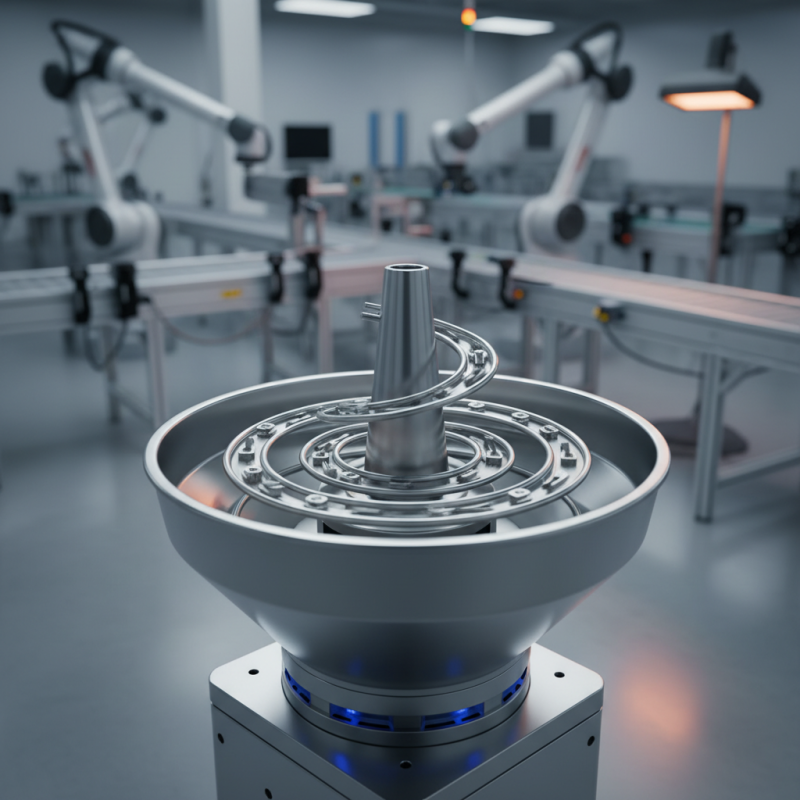
Top Features to Consider in Vibratory Bowl Feeders for Automation
When considering vibratory bowl feeders for automation, several key features stand out. The design must ensure efficient part orientation. A well-structured bowl minimizes the risk of jams. According to industry reports, nearly 70% of feeder malfunctions relate to improper orientation. A feeder with an adjustable angle can significantly enhance this process.
Another crucial aspect is the material used in construction. Durable, lightweight materials help prolong equipment lifespan. Metal bowls tend to last longer but may add unnecessary weight. On the other hand, plastic options can reduce this weight, but they might wear out quickly. Balancing durability and weight is essential for optimal performance.
Noise levels are another factor worth monitoring. According to recent studies, excessive noise in industrial environments can lead to reduced employee efficiency by 25%. Implementing quieter feeder designs can mitigate this issue. Additionally, ease of maintenance should not be overlooked. Feeders requiring complex maintenance can hinder production. Striking a balance between user-friendly features and advanced technology often presents a challenge.
Industry Applications of Vibratory Bowl Feeders in Manufacturing
Vibratory bowl feeders are essential in diverse manufacturing sectors. They streamline the assembly process by efficiently orienting and feeding parts. Industries such as automotive, electronics, and pharmaceuticals heavily rely on these systems. According to recent data, about 60% of assembly lines use some form of vibratory feeding technology.
In the automotive industry, vibratory bowl feeders play a vital role. They handle small components like screws and clips with precision. This contributes to reduced assembly time by up to 30%. Conversely, in electronic manufacturing, the need for accuracy is even greater. Misplaced components can lead to costly errors. Data indicates that implementing vibratory feeders can enhance accuracy by over 15%.
The pharmaceutical industry also benefits significantly. Here, vibratory bowl feeders handle packaging and labeling tasks. Maintaining hygiene is critical; thus, the equipment must meet strict regulatory standards. Not all feeders can achieve this, raising concerns about safety and compliance.
While vibratory bowl feeders offer many advantages, there are challenges. Not all designs suit specific applications. Adjustments may be needed for different materials or part shapes. Finding the right balance between feeding efficiency and reliability requires ongoing evaluation.
Comparative Analysis of Vibratory Bowl Feeders: Efficiency Metrics
Vibratory bowl feeders are essential in automation, enhancing production efficiency. They help in sorting and orienting parts for various assembly processes. Their design ensures a steady flow of components, reducing downtime. However, not all feeders perform equally well under different conditions.
When analyzing efficiency metrics, several factors come into play. Cycle time is crucial; faster cycles mean higher productivity. However, increased speed can impact precision. Too fast can lead to misalignment or jamming. Quality is another metric. Low-quality feeders often lead to defective parts, causing rework and delays. It is essential to balance speed and reliability during selection.
Noise level is often overlooked but is significant for a productive workspace. Loud feeders can distract workers and create an uncomfortable environment. Maintenance is also a key consideration. Some feeders require frequent adjustments, while others need minimal intervention. These factors collectively shape the choice of a vibratory bowl feeder, highlighting the need for thoughtful selection based on specific operational needs.
Comparative Analysis of Vibratory Bowl Feeders: Efficiency Metrics
Cost-Benefit Overview of Utilizing Vibratory Bowl Feeders in Automation
Vibratory bowl feeders are essential in automation. They efficiently feed materials, boosting productivity and reducing labor costs. However, the initial investment can be high. Assessing the long-term benefits is crucial for decision-makers.
Understanding the cost-benefit ratio is key. While upfront costs might be significant, the return on investment can be substantial. These feeders improve operational efficiency and minimize manual handling. They also enhance product consistency and reduce errors during the feeding process. Businesses must evaluate their unique needs and the intended application.
When considering vibratory bowl feeders, it is important to reflect on potential drawbacks. Maintenance can be tricky, and parts may wear out quickly depending on usage. Regular inspection is necessary to ensure optimal performance. Therefore, while these systems offer many benefits, continuous monitoring is vital to maintain efficiency.
Trends in Vibratory Bowl Feeder Technology and Future Innovations
Vibratory bowl feeders are evolving rapidly. The latest trends reflect a push towards more efficient automation solutions. Manufacturers are focusing on innovative designs that enhance the feeding process. Improved material selection and construction techniques increase durability and reduce maintenance. These advancements lead to higher uptime and better productivity.
Another significant trend is the integration of smart technology. Sensors and AI are being utilized to optimize feeding rates. This allows for real-time adjustments based on the production line's needs. Companies can now achieve greater accuracy in part placement. However, implementing these technologies can be challenging. Development costs may be high, and training staff to use new systems requires time and effort.
Sustainability is also a growing concern. More manufacturers are seeking eco-friendly materials and energy-efficient designs. Although progress is being made, achieving a balance between efficiency and environmental impact remains difficult. Mistakes can occur when rushing to adopt new technologies without proper testing. Careful consideration and thorough research are essential for long-term success in the field of vibratory bowl feeders.
Top Vibratory Bowl Feeders for Efficient Automation Solutions
| Model | Bowl Diameter (inches) | Vibration Frequency (Hz) | Load Capacity (lbs) | Energy Consumption (W) | Features |
| Model A | 12 | 60 | 50 | 100 | Adjustable Frequencies, Anti-Vibration System |
| Model B | 15 | 50 | 75 | 150 | High-Speed Operation, Low Maintenance |
| Model C | 18 | 65 | 100 | 200 | Smart Control System, Compact Design |
| Model D | 20 | 70 | 120 | 250 | Noise Reduction, Easy Setup |