Top Milling Tools for Efficient Production in 2026?
In 2026, the milling tools industry is poised for significant advancements. According to a recent report from Market Research Future, the global milling tools market is projected to reach $16.5 billion by 2026, driven by the increasing demand for precision engineering. Experts believe that the right selection of milling tools is essential for optimizing production efficiency.
Dr. John Whitaker, a respected expert in manufacturing technologies, states, "The quality and reliability of milling tools directly impact overall production costs." This is particularly relevant as industries strive to maintain profitability. The trends in milling tool innovation include improved materials and coatings that enhance durability and performance. New tools are emerging that reduce cycle times and improve surface finishes, which are critical to modern machining.
However, challenges remain. Many companies still struggle with outdated tools that hinder productivity. In this evolving landscape, staying informed about the latest milling tools is crucial. A strategic investment in new technologies can provide a competitive advantage and help overcome existing production hurdles. Addressing these issues is pivotal for sustainable growth in the coming years.
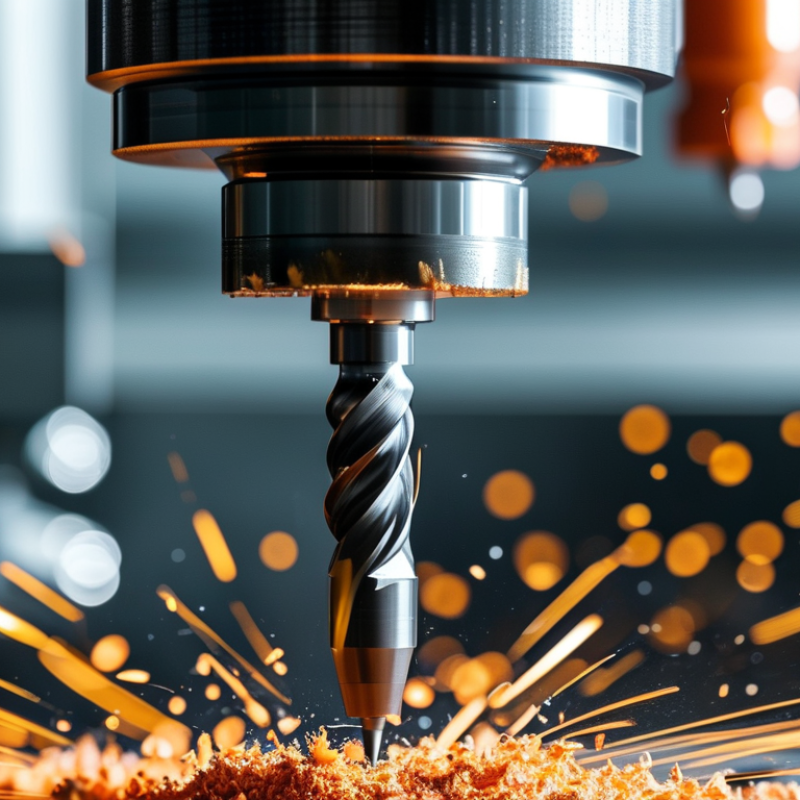
The Importance of Milling Tools in Modern Manufacturing Processes
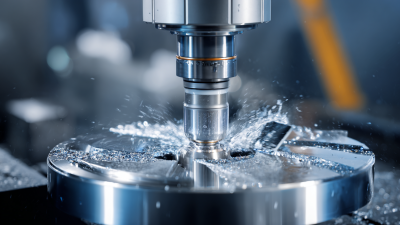
Milling tools play a critical role in modern manufacturing. They enable precise shaping and cutting of materials, making them essential for efficient production. Skilled machinists rely on these tools to maintain high-quality standards. Fine tolerances are necessary in many industries. A small error can lead to significant issues down the line. This demands a careful balance of tool choice and technique.
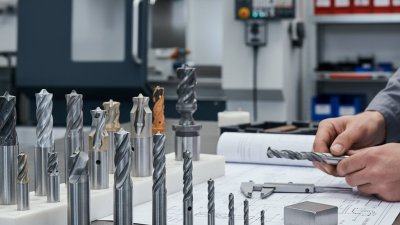
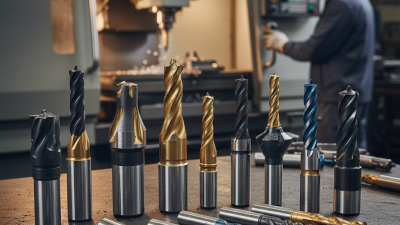
The variety of milling tools is vast, each designed for specific applications. End mills, face mills, and ball mills each serve a different purpose. Choosing the right tool requires experience and understanding of the material involved. Consider how a tool will perform under stress and heat. Investigating past tool performance can inform better decisions for future projects. There is no one-size-fits-all approach; customization is often key.
Despite advancements, challenges remain in milling. Tool wear and breakage can disrupt production. It’s important to monitor tool conditions regularly. This proactive approach minimizes downtime and boosts productivity. Reflection on past experiences can guide improvements. Striving for efficiency is a continuous process, and learning from mistakes is crucial. Engaging with the latest trends in milling can help manufacturers stay competitive.
Types of Milling Tools and Their Applications in 2026
In 2026, the landscape of milling tools is expected to evolve significantly. Among the many types available, end mills, face mills, and ball mills will remain pivotal. End mills are preferred for their versatility and efficiency. They can create various shapes, making them essential in precision machining. Reports suggest that end mills account for a considerable percentage of the industry’s output, allowing for finer finishes.
Face mills are ideal for large surface areas. They operate well at high speeds, maximizing productivity in manufacturing environments. Their design enables effective chip removal, improving milling efficiency. Recent data indicates that face mills are witnessing an upward trend in usage, driven by advancements in material composites and cutting technologies.
Ball mills will continue to dominate in specific applications like grinding materials. While efficient, their energy consumption is a point of concern. Optimizing these tools for reduced energy use is a critical area for research. Additionally, inaccuracies during machining due to tool wear must be addressed. Continuous monitoring of tool performance can help mitigate these issues, ensuring high-quality production. In crafting these tools, it’s vital to balance performance, cost, and sustainability.
Top Milling Tools for Efficient Production in 2026
| Type of Milling Tool |
Material |
Application |
Efficiency Rating (1-10) |
Suitable Industries |
| End Mill |
High-Speed Steel |
General Milling |
8 |
Aerospace, Automotive |
| Face Mill |
Carbide |
Face Milling |
9 |
Manufacturing, Construction |
| Ball Nose Mill |
HSS & Carbide |
Profiling & Sculpting |
7 |
Tool & Die, Mold Making |
| Slot Drill |
Carbide |
Creating Slots |
8 |
Manufacturing, Aerospace |
| T-Slot Cutter |
Carbide |
T-Slot Milling |
8 |
Furniture, Machinery |
Key Innovations Driving Milling Tool Efficiency
As milling technology evolves, efficiency remains paramount. Innovations in tool design and materials are reshaping production landscapes. According to the latest industry reports, tools made from advanced carbide and ceramics improve durability by over 30%. This leads to reduced downtimes and enhanced productivity.
Smart milling tools equipped with IoT sensors are gaining traction. These tools can monitor wear in real-time, allowing for timely replacements. A study revealed that over 40% of manufacturers who adopted such technology reported lower operational costs. However, integrating these smart solutions is not without challenges. Training staff and managing data can be complex.
Furthermore, sustainable practices are becoming crucial. Tools designed for recyclability can reduce waste by a significant margin. Some reports indicate that 25% of companies are prioritizing eco-friendly innovations in their milling processes. This shift, while beneficial, requires careful planning and commitment from stakeholders.
Factors Influencing the Selection of Milling Tools
The choice of milling tools is critical for efficient production in 2026. Several factors play a key role in this decision. Material composition is paramount. Different materials require specific tools for optimal performance. For instance, harder materials often need carbide tools, while softer materials may work well with high-speed steel. This distinction can greatly affect production speed and quality.
Tool geometry also influences effectiveness. A tool’s shape impacts its cutting ability. Certain designs may enhance chip removal, leading to improved efficiency. Additionally, the coating of a tool can improve its durability and reduce friction. Understanding these nuances helps manufacturers select the right tools for specific applications.
Finally, cost considerations cannot be overlooked. While investing in high-quality tools may seem expensive, their longevity can lead to cost savings over time. A more affordable tool might save money upfront but could result in frequent replacements, ultimately increasing production costs. Reflecting on these elements can lead to better decision-making in tool selection. Balancing quality, performance, and cost remains a challenge for many manufacturers.
Future Trends in Milling Tool Technology and Production Efficiency
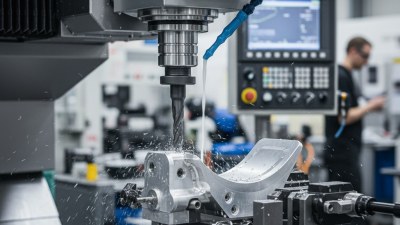
The milling tool industry is evolving rapidly. In 2026, technology will focus on enhanced production efficiency. According to a recent report from the International Association of Machining Technology, advanced milling tools can increase output by 30% when combined with automation processes. This transformation emphasizes the need for tools that can adapt to varying materials and conditions.
A key trend is the integration of smart technologies. These tools, embedded with AI and IoT capabilities, optimize parameters in real-time. This reduces waste and ensures precision. However, adopting these advanced solutions requires a cultural shift in many manufacturing environments. Training employees to work alongside these technologies remains a challenge. Regular updates and feedback loops prove essential for success.
Tips: Invest in ongoing employee training programs. The human element of milling remains crucial. Also, consider trialing new technologies on smaller projects before full-scale implementation. Such measures mitigate risks associated with new investments. An iterative approach to technology adoption fosters practical growth over time. Balancing innovation with experience is vital for sustained efficiency.