Top Milling Tools for Efficient Machining Processes?
In today's competitive manufacturing landscape, efficient machining is crucial. The right milling tools can greatly enhance productivity and precision. Various types of milling tools exist, each designed for specific applications. Selecting the best tools can sometimes be challenging.
Milling tools have different shapes, materials, and coatings. These factors influence their performance and longevity. Manufacturers must consider the workpiece material and desired finish when choosing tools. High-speed steel and carbide tools are popular choices. However, each has its own strengths and weaknesses.
While many professionals rely on traditional options, some overlook newer technologies. Innovations in milling tool design continue to emerge, offering better cutting speeds and durability. It is important to stay updated and reflect on tool choices. Investing time in research can yield significant long-term benefits. Efficient machining depends on both the tools and the operator's skill.
Understanding Milling Tools: An Overview of Key Types
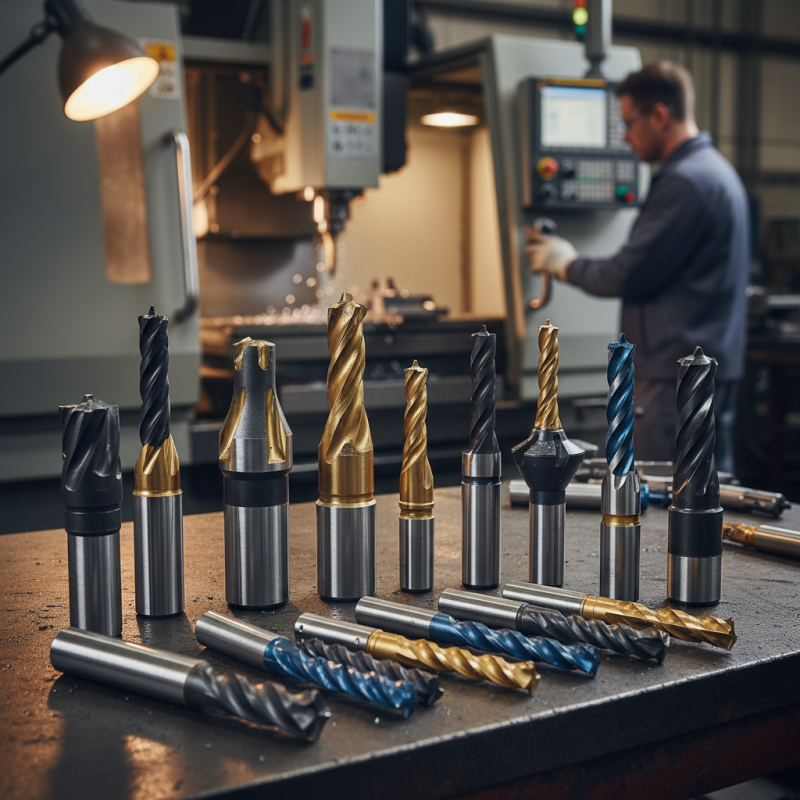
Milling tools play a crucial role in machining processes. Understanding different types is essential for optimizing production efficiency. Let's explore key milling tools that significantly impact results.
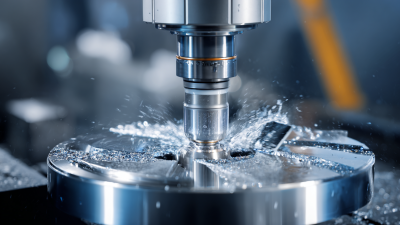
End mills are widely used in many applications. They come in various shapes and sizes. These tools can create slots, contours, and pockets. It's important to select the right end mill for your project. The wrong choice might lead to dull edges and increased wear.
Face mills are another popular type. They effectively remove material from flat surfaces. The design allows for a smooth finish. However, they might leave some marks, requiring secondary operations. Not all face mills are suited for every material. This can result in wasted time and resources. Understanding the material you’re working with is vital.
Importance of Tool Material Selection for Milling Efficiency
Selecting the right tool material is crucial for milling efficiency. Tool wear can significantly affect production rates. According to industry reports, up to 30% of machining costs arise from tool wear. This statistic highlights the importance of material choice. For example, carbide tools are popular due to their hardness and resistance to wear. However, they can be costly.
On the other hand, high-speed steel (HSS) offers flexibility and toughness. It's also less expensive than carbide. Yet, HSS tools can wear out more quickly under harsh conditions. Striking a balance between cost and performance is essential. By choosing materials that align with specific machining requirements, companies can optimize productivity.
Some manufacturers overlook the impact of tool coatings. Coatings like titanium nitride (TiN) can enhance tool life. Reports suggest that tools with such coatings can last 2-3 times longer than uncoated counterparts. Despite these advantages, there are still instances where poor material choices lead to inefficiencies. Understanding the interplay between tool materials and machining processes is vital for improving output.
Evaluating Tool Geometry for Enhanced Machining Performance
When it comes to machining, tool geometry plays a crucial role. The right geometry can significantly improve performance. For instance, according to a report by the Machinery Industry Association, optimizing tool geometry can increase efficiency by up to 30%. This highlights how a small design change can lead to big gains.
Different shapes affect chip formation and heat dissipation. A sharper edge reduces cutting forces. Flat or rounded edges might not perform as efficiently in certain materials. Machinists need to consider their specific applications. A mismatch can lead to excessive wear or poor surface finish.
Another factor is the coating on the tools. Surface treatments enhance hardness and reduce friction. However, selecting the wrong coating can hinder performance. A study showed that poorly paired coatings can reduce tool life by as much as 40%. Testing and data analysis are essential in these scenarios. It’s clear that a tailored approach to tool geometry is fundamental for optimizing machining processes.
Choosing the Right Coating for Milling Tool Durability
Choosing the right coating for milling tools is crucial for enhancing tool durability. In recent studies, tools with improved coatings can last up to 50% longer than those without. This not only affects productivity but also impacts cost efficiency. Many manufacturers now prioritize coatings, such as TiN or TiAlN, due to their hardness and heat resistance.
Heat is a significant enemy of milling tools. Efficient coatings can withstand extreme temperatures, reducing wear. In fact, tools with specific coatings have shown a reduction in temperature fluctuations during heavy machining tasks. This stability can lead to fewer tool changes. However, some coatings can be expensive, raising questions about return on investment.
While advanced coatings improve durability, they aren’t infallible. Sometimes, coating defects can occur, leading to premature tool failure. Proper application is essential, as uneven coatings can create weak points. It’s important for manufacturers to assess both the advantages and limitations of these coatings. Finding the right balance is vital for achieving optimal performance and cost savings in machining processes.
Best Practices for Milling Tool Maintenance and Longevity
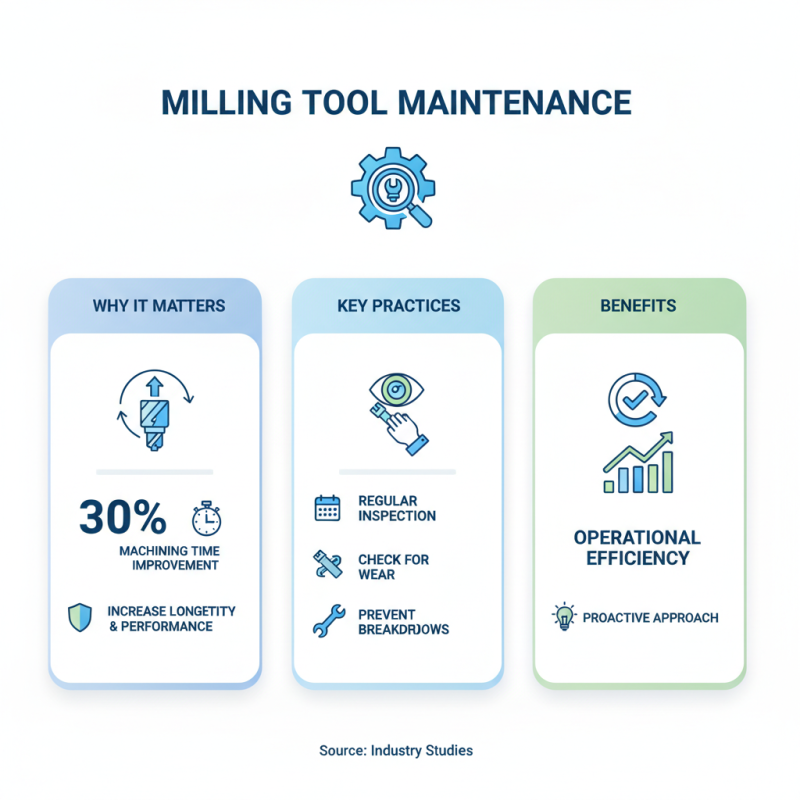
Milling tools play a crucial role in machining processes. Maintaining these tools can significantly improve their longevity and performance. Studies show that up to 30% of machining time can be improved with proper tool maintenance. Regular inspection is vital. It can prevent unexpected breakdowns. Operators should check for wear regularly. This proactive approach can increase operational efficiency.
Also, cooling systems are often overlooked. Proper cooling extends tool life. Using the right coolant can enhance machining performance by up to 25%. Operators need to monitor coolant levels consistently. If the coolant is too low or contaminated, tool performance declines rapidly. Adjusting feed rates and speeds based on tool conditions also matters. Small adjustments can lead to better outcomes.
It’s easy to neglect maintenance in busy shops. Yet, doing so can be counterproductive. Ignoring tool conditions often results in more significant issues. For example, a single chip can cause catastrophic tool failure. Frequent training on maintenance practices is essential. A well-informed team can recognize issues early, avoiding costly repairs later. Investing time in tool maintenance pays off in the long run.