In the world of precision machining, cutting milling techniques play a crucial role. These methods shape materials with high accuracy. The right technique can significantly impact the quality of the finished product. However, not every technique is perfect. Each has its limitations and challenges.
Different cutting milling strategies exist, each suited for specific tasks. Some may excel in speed but lack precision. Others might offer high accuracy, yet struggle with efficiency. Understanding these nuances is essential for machinists. The learning process often involves trial and error. Mistakes can lead to waste, but they also drive improvement.
Exploring the top cutting milling techniques reveals both strengths and weaknesses. This journey into the specifics can enhance productivity and quality. Machinists must reflect on their choices to optimize their work. By embracing both the successes and missteps, they pave the way for better outcomes. In the end, mastering these techniques is a continuous learning experience.
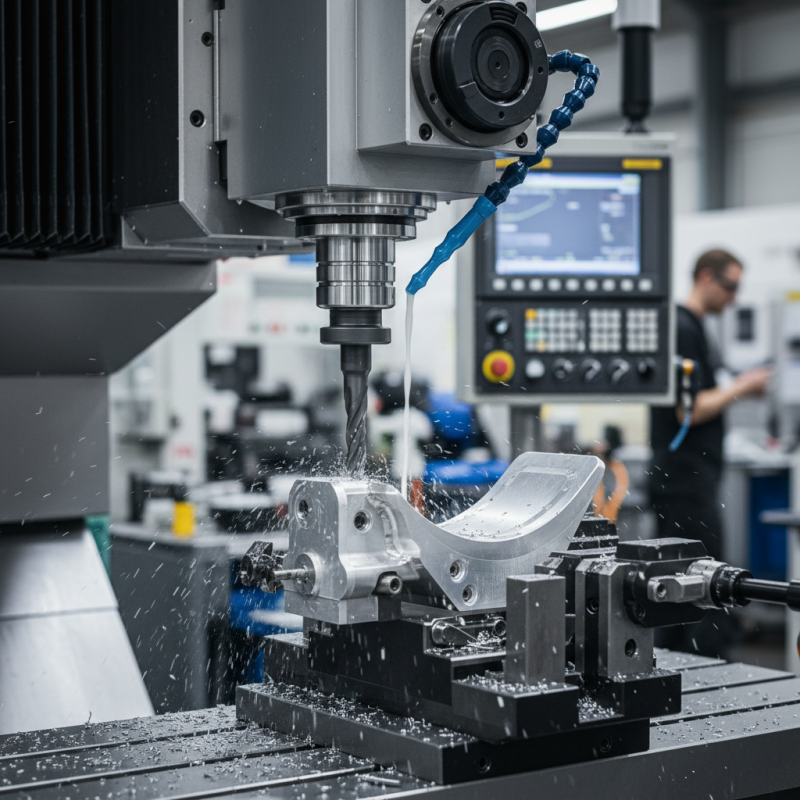
Precision machining is vital in modern manufacturing. It involves removing material to achieve exact dimensions and tolerances. This reliability is critical in industries like aerospace, automotive, and medical devices. Components must fit perfectly, ensuring functionality and safety. Precision machining eliminates errors that could lead to costly failures.
Techniques for precision machining vary. Some methods might not suit every project. For instance, CNC milling offers high accuracy, but setup can be time-consuming. Wire EDM provides intricate shapes, yet it's not always efficient for bulk production. Each technique has pros and cons. Understanding these nuances is essential to make informed decisions in a project.
Moreover, quality control is paramount. Regular checks during machining can catch mistakes early. However, sometimes issues go unnoticed until later stages. This can lead to delays and increased costs. Continuous learning and adaptation are necessary. Even experienced machinists may need to revisit fundamental principles. Embracing imperfections can lead to growth and improved processes.

Cutting milling techniques play a crucial role in precision machining. They directly impact efficiency and quality in manufacturing. According to a report by the American Society of Mechanical Engineers, over 60% of manufacturing processes involve some form of milling. This statistic highlights the prevalent nature of these techniques in today’s industry.
Popular techniques include face milling, end milling, and slot milling. Face milling ensures a smooth surface finish but may sometimes lead to residual stresses. End milling is versatile, yet it may require careful tool selection to avoid rapid wear. Manufacturing professionals often grapple with the trade-offs between speed and precision. One study by the National Institute of Standards and Technology revealed that improperly selected tools could reduce productivity by up to 25%.
Manufacturers utilize CNC machines for precision control, but they face challenges. Tool vibration and thermal expansion can compromise accuracy. A report by the Manufacturing Technology Insights noted that 40% of machined components fail to meet specifications due to these issues. This calls for ongoing research. Improved techniques must address these pitfalls to enhance overall performance in precision machining.
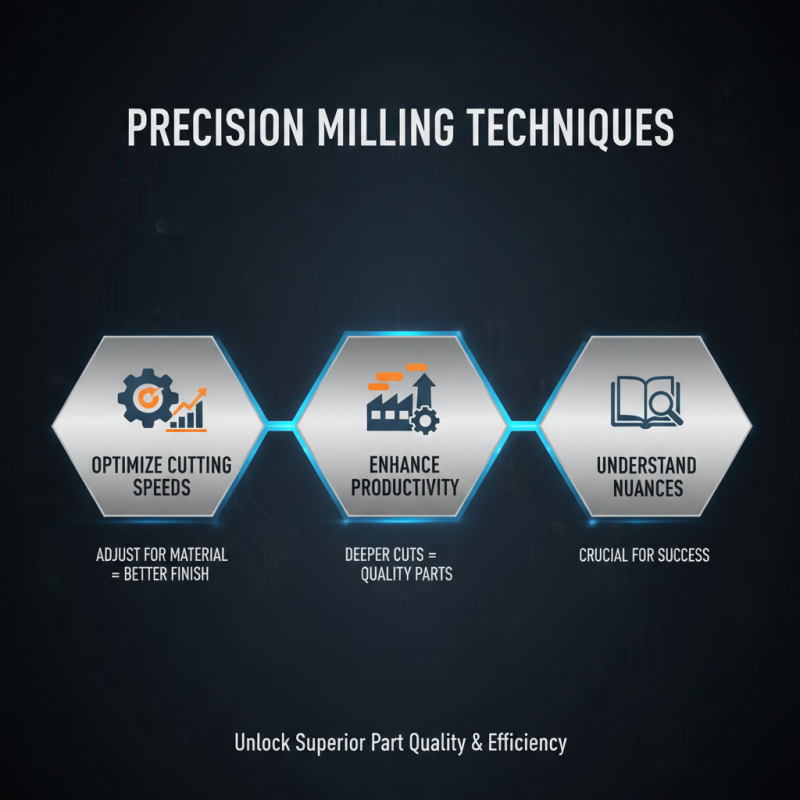
In precision machining, effective milling techniques are crucial. Understanding the nuances can greatly enhance productivity. One technique is optimizing cutting speeds. Adjusting speeds according to the material can lead to better surface finishes. Drill deeper, and you often improve the quality of your parts.
Tool selection is another key factor. Using the correct tools can reduce wear and tear. However, choosing the wrong tool leads to issues like chatter. This reflects on finished pieces, often causing costly rework. Sometimes, operators overlook minor adjustments that could yield major improvements.
Proper coolant usage is often neglected. Coolants reduce heat and prevent tool failure. Without it, efficiency drops drastically. There’s also the angle of the tool to consider. An incorrect angle can create unnecessary friction. Mistakes happen, and learning from them is essential for progress. Each operator must refine their skills continuously to achieve the best results.
When selecting milling techniques for precision machining, several key factors come into play. Material type significantly influences the choice. Different materials, such as aluminum or steel, require specific cutting tools and speeds. For example, aluminum can be machined at higher speeds due to its softness. Meanwhile, harder materials demand slower speeds to prevent tool wear.
The complexity of the design also matters. Intricate shapes require advanced milling strategies. Programmable CNC machines often handle complex geometries better than manual techniques. Tool life is another critical factor. Frequent tool changes can increase costs and downtime. Efficiency is vital; balancing speed and accuracy helps maintain production flow.
Cost and available equipment cannot be overlooked. Budget constraints often dictate the choice of milling techniques. Not every facility can invest in state-of-the-art machines. Sometimes, the best approach is to adapt existing equipment to meet demands, even if it means compromising on precision. Each decision shapes the final product, often leading to reflection on technique efficacy and areas for improvement.
The future of cutting milling technologies in precision machining shows great promise. According to a recent industry report, the global precision machining market is projected to grow at a CAGR of 9% from 2023 to 2030. Advances in automation and artificial intelligence are transforming how we approach these techniques. Smart machining systems are rapidly gaining traction, enhancing speed and accuracy.
Tips: Embrace new technologies. Automation can reduce human error. Invest in training for your staff. Understanding machines intimately is crucial for optimal performance.
Emerging trends include the integration of additive manufacturing with traditional milling methods. This hybrid approach allows for complex geometries and reduced waste. Notably, researchers are exploring the use of eco-friendly cutting fluids. These innovations can lead to better sustainability in machining operations.
Tips: Regularly assess your cutting tools. Wearing tools can affect precision. Schedule routine maintenance to ensure optimal tool performance.
Innovation is key in precision machining. Adaptation to new tools can improve efficiency and reduce costs. Companies hesitant to embrace change may struggle to keep up with competitors. Fostering a culture of continuous improvement can yield better outcomes.
| Technique | Description | Advantages | Future Trends |
|---|---|---|---|
| CNC Milling | Computer-controlled machining for high precision. | High accuracy, repeatability, and flexibility. | Increased automation and integration with smart technology. |
| 4-Axis Milling | Addition of a fourth axis allows complex part shapes. | Ability to create intricate designs with fewer setups. | Advances in multi-axis machining technology. |
| 5-Axis Milling | Simultaneous movement on five axes for complex parts. | Superior surface finish and reduced machining time. | Increased efficiency through advanced software solutions. |
| High-Speed Machining | Uses higher spindle speeds for faster material removal. | Increased productivity and better surface finishes. | Integration of advanced tooling materials and coatings. |
| Micro Milling | Suitable for producing small features with precision. | Ability to machine intricate designs at micro-scale. | Emergence of nanotechnology in machining. |
| Deep Hole Drilling | Used for machining deep holes in various materials. | High precision and capability to handle long chips. | Innovations in cutting tool technology and cooling methods. |
| Electrical Discharge Machining (EDM) | Uses electrical discharges to remove material. | Excellent for hard materials and complex geometries. | Integration with CAD/CAM for enhanced designs. |
| Laser Cutting | Uses focused laser beams to cut materials. | High precision and minimal material wastage. | Advancements in fiber laser technology. |
| Water Jet Cutting | Utilizes high-pressure water to cut materials. | No thermal distortion and suitable for various materials. | Increasing use of abrasive water jet technologies. |
Contact
KYOCERA SGS Precision Tools, Inc.
(330) 686-5700
150 Marc Drive
Cuyahoga Falls, OH 44223
Products
Resources