Top Component Machining Suppliers for Global Buyers?

Global buyers need more than a long supplier list when sourcing precision parts. The right partner must turn drawings into repeatable components, not merely attractive quotations. This guide examines top component machining suppliers through practical purchasing criteria. We consider CNC capacity, material control, dimensional accuracy, surface finishing, and production scale. Experience matters here. A supplier may machine a prototype beautifully, yet struggle with 10,000 identical parts.

Look beyond the website. Ask how inspection data is recorded, how tools are calibrated, and how nonconforming parts are contained. Useful evidence includes recent sample reports, process certifications, customer references, and clear factory photographs. Buyers should also review tolerance capability, packaging methods, export experience, and response times. A polished certificate cannot replace consistent production evidence. Nor can a low unit price compensate for late deliveries or unclear revision control.

The strongest suppliers communicate before problems become expensive. They question unusual tolerances, suggest manufacturable changes, and explain trade-offs between aluminum, stainless steel, plastics, and engineered alloys. Still, no ranking is universal. A medical-device buyer may prioritize traceability, while an automation company may value flexible batch sizes. Some supplier claims remain difficult to verify remotely. That limitation deserves honest attention. Independent audits, pilot orders, and measured first-article results can reduce uncertainty. Choose carefully. This overview helps global buyers compare capable partners with greater confidence, while recognizing that reliable sourcing depends on evidence, communication, and ongoing review.
Top Component Machining Suppliers for Global Buyers?

What Defines a Top Component Machining Supplier?

What Defines a Top Component Machining Supplier?

A top component machining supplier combines repeatable quality, engineering judgment, and visible production control. The ISO Survey 2023 recorded more than 1.26 million ISO 9001 certificates worldwide. Yet certification alone cannot prove reliable machining performance. A serious supplier should provide inspection plans, material certificates, calibration records, and traceable batch information. Critical dimensions need measurable evidence, not confident promises. Experienced engineers also review tolerances before production. Overly tight tolerances can increase cost without improving function.

Delivery capability matters just as much. A useful supplier explains machine capacity, process limits, tooling life, and backup arrangements. The 2023 World Bank Logistics Performance Index shows that logistics reliability differs substantially across markets. Therefore, global buyers should assess packaging, export documentation, lead-time controls, and communication routines. A supplier that reports delays early is often safer than one offering unrealistic dates. I have seen attractive quotations fail because secondary processes were never clearly assigned. That detail deserves attention.

Tips: Request a sample inspection report before placing a larger order. Ask how nonconforming parts are contained and corrected. Check whether the same operator, machine, and measurement method can support repeat orders. Visit the facility when practical, or request time-stamped production evidence. Do not judge capability from polished photographs alone. A useful trial order should test tolerance control, surface finish, packaging, and response speed. Supplier evaluation is rarely perfect; buyers should record assumptions and revisit them after the first shipment.

What Defines a Top Component Machining Supplier?

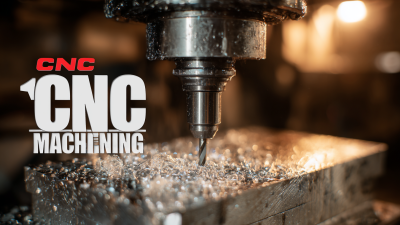
Typical dimensional tolerances vary by machine, material, geometry, tooling, and inspection method. Standard CNC milling and turning commonly achieve approximately ±0.05 mm, while precision machining can reach around ±0.01 mm and grinding approximately ±0.005 mm. A top supplier combines tight process control with reliable inspection and repeatability.

How to Evaluate Machining Capabilities and Quality Systems

Top Component Machining Suppliers for Global Buyers

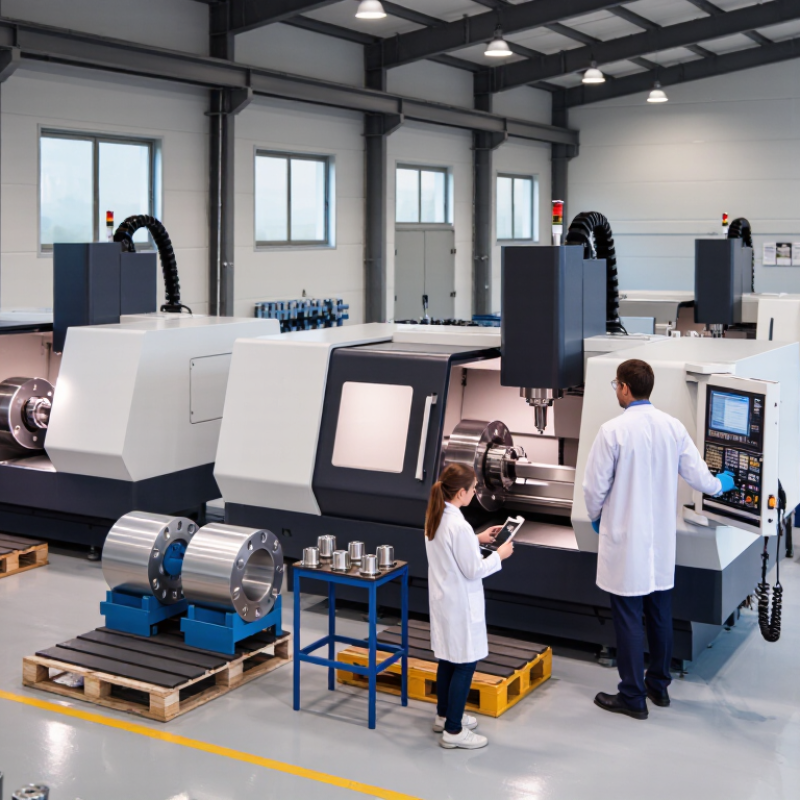
Evaluating a machining supplier requires more than checking equipment lists. Ask which materials they process regularly, not occasionally. A five-axis machine may look impressive, yet operator experience often determines the final result. Review sample parts, dimensional reports, and process records from similar components. Coordinate measuring machines, calibrated gauges, and documented inspection plans provide stronger evidence than polished photographs. Confirm how the supplier controls tolerances, surface finish, burrs, and edge conditions. These details can affect assembly and service life.

Quality systems should be visible in daily work. Request material certificates, lot traceability, nonconformance records, and corrective action reports. A current ISO 9001 certificate is useful, but it cannot replace process discipline. During a remote or on-site audit, observe how drawings are reviewed and how inspection data is stored. I have seen suppliers pass formal audits while struggling with revision control. That gap deserves honest discussion. Ask for realistic production capacity, backup equipment, and lead-time data from recent orders.

Tips: Request a trial batch. Measure critical features independently. Compare promised tolerances with actual results. Ask how rejected parts are contained. Check whether reports identify instruments and calibration dates. Avoid selecting the lowest quotation without understanding inspection scope. A reliable supplier explains limitations clearly and welcomes technical questions. That openness is often more valuable than confident sales language.

Which Industries and Components Do Leading Suppliers Serve?

Leading component machining suppliers serve industries where fit, repeatability, and traceability matter. Their work supports aerospace, medical equipment, automotive systems, energy machinery, electronics, and industrial automation. Each sector demands different controls. Aerospace parts may require lightweight alloys and strict documentation. Medical components often need clean surfaces, tight tolerances, and carefully controlled materials.

Common products include shafts, housings, brackets, valve bodies, gears, fittings, and custom fasteners. Suppliers with advanced CNC turning and milling can produce small precision parts or larger structural components. They may also provide grinding, surface finishing, heat treatment coordination, and dimensional inspection. A practical supplier should explain its process, not only display impressive equipment. Details matter.

In automotive production, stable cycle times and consistent batches are essential. Energy equipment often requires corrosion-resistant alloys and reliable performance under pressure. Electronics manufacturers may need miniature housings with accurate threads and thin walls. Experienced suppliers review drawings, material grades, tolerances, and expected quantities before quoting. That review can prevent expensive corrections later.

No supplier serves every need equally well. A company skilled in aluminum prototypes may struggle with hardened steel production. I have found that communication can matter as much as machine capacity. Clear inspection reports, sample approval, and realistic delivery updates build trust. Still, even strong suppliers can miss a difficult tolerance or underestimate finishing time. Buyers should test capabilities with a controlled first order before expanding production.

How Global Buyers Compare Pricing, Lead Times, and Logistics

Top Component Machining Suppliers for Global Buyers?

Global buyers rarely choose a machining supplier from unit price alone. A low quotation may exclude tooling, inspection, packaging, or export handling. Compare identical drawings, materials, tolerances, quantities, and revision levels before judging cost. Ask for a clear breakdown of machining hours, setup fees, surface treatment, and freight. It reveals where the real difference lies.

Lead time needs practical evidence. Request a production schedule with material arrival, first article inspection, machining, and final approval dates. A supplier promising ten days may still need three weeks for certified material. Experienced buyers also check machine capacity and quality records. Ask how rejected parts are corrected and documented. Small details matter.

Logistics can quietly damage a good quotation. Confirm package dimensions, gross weight, shipping terms, customs documents, and delivery responsibility. Protective packaging should match the component’s weight and surface sensitivity. We once underestimated inland transport, and the final landed cost changed significantly. That mistake was avoidable. It also showed why a supplier’s communication history deserves attention. Fast replies help, but accurate replies matter more. A shared inspection report, dated photographs, and consistent measurement data provide stronger evidence than confident promises.

How to Select the Best Supplier for Your Project Needs

Selecting a component machining supplier requires more than comparing hourly rates. Begin with your drawings, materials, tolerances, and expected volumes. A supplier should explain its process clearly. Ask how it controls critical dimensions, tool wear, and surface finish. For a shaft requiring ±0.02 mm tolerance, request inspection records from similar work. A coordinate measuring machine report can reveal more than a polished sales presentation.

Production experience matters when parts move from prototypes to repeat orders. Review sample parts, process plans, material certificates, and nonconformance procedures. Check whether the supplier can maintain quality across several batches. Also examine its equipment, inspection tools, and maintenance records. Practical details matter. Can it handle tight packaging requirements? Can it label parts accurately for customs clearance? Small errors may delay an entire assembly.

Communication is another serious selection factor for global buyers. A reliable supplier answers technical questions with specific evidence, not vague promises. Confirm response times, engineering support, payment terms, lead times, and corrective-action procedures. I have seen attractive quotations hide weak inspection systems. That mistake becomes expensive later. A trial order can expose problems before they affect full production. Still, one successful sample proves little. Continue checking quality, documentation, and delivery performance over time. Supplier selection is not perfectly predictable, and even experienced buyers can overlook capacity limits during busy seasons.

Top Component Machining Suppliers for Global Buyers? - How to Select the Best Supplier for Your Project Needs

Evaluation Dimension Recommended Benchmark or Target Why It Matters Evidence to Request Suggested Weight
Process Capability Documented capability for the required CNC milling, turning, grinding, EDM, or 5-axis processes; achievable tolerances should be confirmed for the specific material and geometry. A supplier may advertise a nominal machine tolerance that is not consistently achievable in production. Sample inspection reports, process capability studies, machine specifications, and comparable part samples. 20%
Dimensional Accuracy For many precision CNC applications, ±0.01 mm may be achievable on selected features; tighter tolerances require a drawing review, controlled processes, and appropriate inspection equipment. Tolerance capability affects fit, function, interchangeability, and assembly yield. First-article inspection report, GD&T review, calibration records, and measurement-system details. 12%
Material Control Traceable material purchasing and lot identification for aluminum, stainless steel, carbon steel, titanium, brass, plastics, or other specified materials. Correct material grade and traceability help prevent premature failure and simplify audits. Mill certificates, material test reports, incoming inspection records, and lot-tracking procedure. 10%
Quality Management A documented quality system, preferably certified to ISO 9001 for general manufacturing; sector-specific certification should be confirmed when applicable. Formal quality controls reduce variation and make corrective actions more transparent. Valid certificate, scope of certification, audit date, nonconformance procedure, and corrective-action records. 12%
Inspection Resources Access to calibrated CMM, optical measurement, height gauges, micrometers, surface-finish instruments, and other equipment suited to the drawing requirements. Reliable measurement is essential for proving conformance, especially on complex or tight-tolerance parts. Equipment list, calibration certificates, sample reports, inspection plan, and gauge-control procedure. 10%
Surface Finish and Secondary Operations Common machined surface-finish requirements often range from approximately Ra 0.8 to 3.2 µm, depending on the process and functional need; finishing requirements must be specified. An integrated supply chain can reduce handling, mismatched specifications, and delivery risk. Finishing process list, approved subcontractor controls, coating certificates, color or finish samples, and inspection results. 8%
Prototype and Production Lead Time Prototype CNC work commonly requires about 1–3 weeks after design approval; production timing depends on quantity, complexity, material availability, finishing, and inspection scope. A realistic and repeatable schedule is more valuable than an aggressive quotation that cannot be maintained. Written production schedule, capacity plan, order milestones, historical on-time delivery data, and escalation process. 8%
Minimum Order Quantity and Scalability Capability should cover the buyer’s expected range, from low-volume prototypes to repeat production, without imposing unsuitable minimum quantities. The right production model prevents excess inventory during development and capacity shortages after launch. Prototype pricing, batch-size quotations, monthly capacity information, tooling policy, and changeover approach. 6%
Engineering Communication Clear English-language communication, drawing review, design-for-manufacturing feedback, revision control, and prompt handling of technical questions. Early clarification of ambiguous specifications reduces rework, delays, and unexpected cost. Sample design-review report, communication workflow, document-control procedure, and response-time commitment. 5%
Export Logistics and Packaging Documented export packing, corrosion protection where required, labeling, commercial documentation, and delivery terms suitable for the destination country. Proper logistics planning protects parts from damage and reduces customs or receiving delays. Packaging specification, shipping examples, export-document checklist, insurance option, and agreed delivery terms. 4%
Total Cost of Ownership Compare piece price together with tooling, programming, inspection, finishing, packaging, freight, duties, payment terms, and potential rework costs. The lowest quoted unit price is not always the lowest delivered or lifecycle cost. Itemized quotation, validity period, tooling ownership terms, freight assumptions, payment conditions, and warranty policy. 5%
Total Evaluation Weight 100%

Note: The benchmarks above are general manufacturing reference points, not guaranteed performance levels. Buyers should validate each requirement against the part drawing, material specification, production volume, applicable regulations, and supplier documentation.