
Choosing the right Lip Gloss Maker is not simply a search for attractive packaging. Global buyers need dependable formulas, consistent filling, responsive communication, and evidence of quality control. A glossy tube may look perfect in a product photo, yet its applicator can leak, the formula can separate, or the shade can change after storage.
Cosmetic chemist Kelly Dobos offers a practical reminder: “Safety and stability come before sensorial appeal.” This principle matters when comparing the 10 Best Lip Gloss Makers for Global Buyers. Strong manufacturers should provide ingredient information, batch details, product samples, and clear testing records. They should also explain viscosity, fragrance options, pigment behavior, and shelf-life expectations without hiding behind vague claims.
Real buying decisions happen at the sample table. Buyers inspect the wand, twist the cap, feel the gloss, and leave samples under changing temperatures. Small details reveal serious experience. A manufacturer that answers quickly is helpful. One that documents every specification is better.
Still, no supplier is perfect. Minimum order quantities may be uncomfortable for smaller brands. Custom colors may require several revisions. Packaging can look premium but feel fragile in daily use. These weaknesses deserve honest attention, not polished marketing language.
This guide compares leading manufacturers through formulation capability, customization, production reliability, packaging choices, communication, and global buyer support. It does not treat popularity as proof. The best Lip Gloss Maker is the one that matches your market, budget, timeline, and quality expectations. Sometimes, the cheapest quote becomes the most expensive mistake.
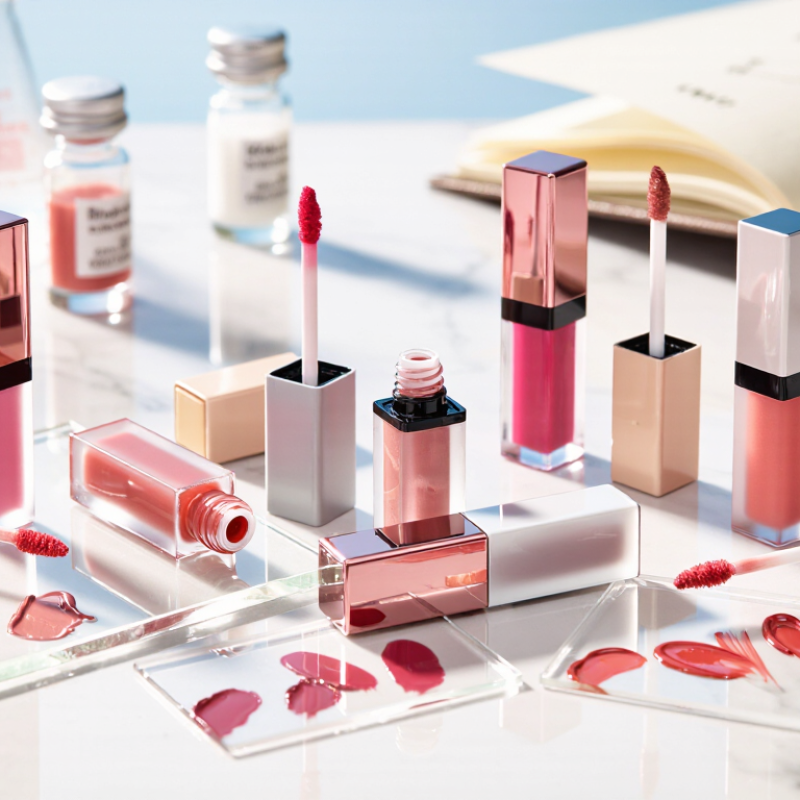
A top lip gloss maker for global buyers must deliver more than attractive shine. According to Grand View Research, the global lip gloss market was valued at about USD 3.77 billion in 2023. Its projected growth increases pressure on manufacturers to provide stable, scalable production. Consistent texture matters. A gloss should apply smoothly, without stringiness, separation, or sudden changes in viscosity. During evaluation, buyers should test samples after heat exposure, cold storage, and shipping movement. Cap leakage can ruin an otherwise excellent product.
Reliability also depends on technical documentation. Strong manufacturers can provide ingredient specifications, batch records, stability data, packaging compatibility tests, and clear quality-control procedures. McKinsey’s 2023 beauty industry report expects the global beauty market to approach USD 580 billion by 2027, with digital and cross-border purchasing continuing to expand. This makes fast communication and accurate product information commercially important. Buyers should also examine minimum order quantities, lead times, refill options, and traceability. A polished sample proves little. I would request repeated batches before approving large volumes. Even experienced suppliers can overlook wiper fit, shade variation, or label durability. That is where careful questioning matters. A top maker combines formulation expertise, manufacturing discipline, transparent evidence, and practical support for different climates and markets.

10 Best Lip Gloss Makers for Global Buyers
Key Criteria for Evaluating Lip Gloss Manufacturers
A reliable lip gloss manufacturer should provide more than attractive samples. During supplier reviews, request full ingredient lists, safety files, and recent batch records. Check whether the formula matches the final production sample. Small differences in shine, scent, or viscosity can affect customer complaints.
Look for documented quality controls, including microbial testing, stability testing, and packaging compatibility checks. A gloss may look perfect in a sample tube, then leak after weeks in warm storage. Ask about filling accuracy, sanitation procedures, and batch traceability. Third-party test reports add useful evidence, but they need current dates and clear laboratory details.
Global buyers should examine export experience, production capacity, minimum order quantities, and realistic lead times. Confirm labeling support for each destination market, including ingredient names, warnings, net quantity, and responsible-party details. One certificate does not automatically satisfy every country’s requirements. Also review worker safety and sourcing practices. Factory photos are not enough. A live audit or independent inspection gives stronger confidence.
Some evaluations are imperfect. A polished presentation can hide weak documentation. I once treated fast replies as a sign of reliability; that assumption was wrong. Clear records, consistent samples, and honest answers matter more. Pay attention to how a manufacturer handles difficult questions. That response often reveals more than a sales brochure.
| Maker Profile | Typical MOQ (Units / SKU) | Sample Lead Time | Bulk Production Lead Time | Formula Capabilities | Common Compliance Documentation | Packaging Options | Export Readiness | Best Fit for Global Buyers | Evaluation Score (10) |
|---|---|---|---|---|---|---|---|---|---|
| Maker Profile A | 500–1,000 | 7–14 days | 30–45 days | Clear, shimmer, tinted, plumping, moisturizing | INCI list, COA, SDS, stability data, microbiological test report | Standard tubes, custom color matching, printed cartons | Strong; supports export labeling and commercial invoices | Emerging brands seeking flexible order quantities | 9.1 |
| Maker Profile B | 1,000–3,000 | 10–18 days | 35–50 days | High-shine, non-sticky, vegan, flavored, metallic | INCI list, COA, SDS, GMP records, product specifications | Multiple applicators, recycled plastic options, hot stamping | Strong; experienced with multilingual packaging requirements | Mid-sized brands requiring formula and packaging variety | 8.9 |
| Maker Profile C | 2,000–5,000 | 14–21 days | 40–60 days | Tinted, plumping, lip-oil gloss, pearl, long-wear | INCI list, COA, SDS, safety assessment support, batch records | Glass and plastic containers, custom molds, tamper-evident seals | Good; export support available with advance planning | Established brands with repeat purchase programs | 8.7 |
| Maker Profile D | 300–800 | 7–12 days | 25–40 days | Basic clear and tinted gloss, moisturizing, fragrance-free | INCI list, COA, SDS, basic microbial testing | Stock packaging, private labels, simple carton printing | Moderate; buyer often manages destination-specific compliance | Startups testing products with limited initial budgets | 8.5 |
| Maker Profile E | 1,000–2,500 | 10–16 days | 30–50 days | Vegan, natural-oil, clean-label, sheer tint, glossy balm | INCI list, COA, SDS, allergen information, stability testing | Recyclable components, paper cartons, low-plastic alternatives | Good; suitable for markets with sustainability requirements | Clean-beauty and environmentally focused product lines | 8.4 |
| Maker Profile F | 3,000–10,000 | 14–24 days | 45–70 days | Large shade ranges, shimmer, plumping, waterproof, flavored | INCI list, COA, SDS, GMP documentation, finished-product testing | High-volume standard packs, custom decoration, automated filling | Very strong; designed for recurring international orders | Retailers and distributors requiring scalable supply | 8.3 |
| Maker Profile G | 500–2,000 | 8–15 days | 30–45 days | Hydrating, hyaluronic-acid, sheer tint, fragrance-free, sensitive-lip formulas | INCI list, COA, SDS, preservative challenge testing where applicable | Standard tubes, soft applicators, custom labels and cartons | Good; documentation must be reviewed for each target country | Skincare-led makeup and sensitive-skin product collections | 8.2 |
| Maker Profile H | 2,000–6,000 | 12–20 days | 40–60 days | Metallic, holographic, glitter, high-pigment, festival finishes | INCI list, COA, SDS, color specification, packaging compatibility data | Decorative finishes, metallic components, custom applicator shapes | Good; special-effect materials may require additional review | Trend-driven collections and seasonal color launches | 8.0 |
| Maker Profile I | 1,000–4,000 | 10–18 days | 35–55 days | Long-wear, transfer-resistant, plumping, SPF-compatible base systems | INCI list, COA, SDS, stability data, claims-support testing | Airless and specialized packs, custom components, protective inserts | Strong; suitable for more complex product documentation | Performance-oriented products and premium positioning | 7.9 |
| Maker Profile J | 5,000–15,000 | 14–28 days | 50–80 days | Core clear, tinted, shimmer, moisturizing, and high-shine formulas | INCI list, COA, SDS, GMP records, lot traceability, final inspection report | High-volume stock components, automated decoration, retail-ready cartons | Very strong; optimized for large and repeat purchase orders | Large-scale private-label programs and mass retail distribution | 7.8 |
Choosing a lip gloss maker requires more than comparing sample colors. The ten manufacturers profiled here represent strong production capabilities across Asia, Europe, North America, and the Middle East. Their strengths include private-label development, low-volume sampling, high-speed filling, and export documentation. Several support vegan formulas, recyclable packaging, and shade matching under controlled lighting.
Market evidence supports this demand. Grand View Research estimates that the global lip products market will continue expanding through 2030, driven by premium textures and online beauty sales. McKinsey also projects the wider beauty industry could approach 590 billion dollars by 2028. These figures explain why leading makers invest in gloss oils, non-sticky polymers, and precision applicators. Texture still decides repeat purchases.
The ten profiles differ in useful ways. Korean makers often excel at lightweight, glass-like finishes and fast trend development. Italian and French producers commonly emphasize sensory testing, elegant packaging, and formula refinement. North American facilities often provide flexible customization and strong regulatory support. Japanese makers are known for controlled filling and detailed quality checks. Chinese, Turkish, Polish, and Middle Eastern manufacturers may offer competitive minimum orders and regional logistics advantages.
Do not trust claims alone. Ask for stability data, microbiological testing, ingredient documentation, and production samples from the same line. ISO 22716-based practices can indicate disciplined cosmetic manufacturing, but certification is not a complete quality guarantee. A weakness remains: some suppliers present impressive samples while outsourcing key stages. Buyers should verify factory addresses, batch records, and shipping experience before signing. Expect revisions. Good gloss is rarely perfect on the first trial.
10 Best Lip Gloss Makers for Global Buyers
Product, Quality, and Customization Comparison
Global buyers need more than a glossy sample when comparing ten lip gloss makers. Product range, quality control, and customization reveal the real difference. Review clear tubes, squeeze tubes, doe-foot applicators, tinted formulas, and transparent finishes. Ask whether each maker can match texture across production batches. Small differences matter.
Check ingredient lists, stability data, microbial testing, packaging compatibility, and production traceability. Reliable makers explain their testing process instead of offering vague promises. Request samples from different batches, not one perfect display unit. Inspect scent, spreadability, tackiness, color accuracy, and leakage after transport. Packaging may survive the factory but fail during humid shipping. That detail is easy to miss. In supplier evaluations, I have learned that low pricing can hide inconsistent filling or weak communication. I still sometimes overvalue visual presentation.
Tips: Use a comparison sheet with weighted scores for quality, customization, lead time, and communication. Confirm shade development, shimmer level, flavor-free options, logo placement, carton design, and minimum order quantities. Ask for formula ownership terms, revision limits, export documents, and replacement procedures. One maker may offer excellent design support but limited production capacity. Another may deliver consistent batches but allow little creative control. Keep both strengths visible.
10 Best Lip Gloss Makers for Global Buyers
How Global Buyers Can Select the Right Supplier
Global beauty demand is rising, but supplier choice requires more than attractive packaging. McKinsey’s 2023 beauty report projects the global beauty market may reach $580 billion by 2027. Grand View Research also values the global lip care market at approximately $2.14 billion in 2023. These figures suggest strong opportunity, yet crowded markets punish inconsistent quality. Select lip gloss makers by evidence, not promises. Samples reveal reality.
Ask each factory for ingredient lists, batch records, stability results, and certificates of analysis. Check whether the formula matches the declared INCI names. Review color, odor, viscosity, applicator performance, and leakage after transport simulation. A clear tube can still fail inside a hot container. Small details matter. ISO 22716-based manufacturing controls can support cleaner production and traceability, although certification alone does not guarantee product quality. Request recent audit records and verify the issuing organization independently.
Global buyers should also assess minimum order quantities, refill capacity, lead times, and carton strength. For European distribution, confirm the responsible-person and safety-assessment process under applicable cosmetics rules. For the United States, facility registration and product listing requirements under MoCRA may apply. Requirements differ by market. Do not rush. A low unit price may hide expensive rework, damaged packaging, or slow documentation. My practical concern is simple: many supplier evaluations overvalue factory appearance and undervalue complaint handling. Ask how the maker investigates a leaking batch, then judge the answer.
Contact
KYOCERA SGS Precision Tools, Inc.
(330) 686-5700
150 Marc Drive
Cuyahoga Falls, OH 44223
Products
Resources