7 Tips for Choosing the Best Orthopedic Power Tool?
Choosing an Orthopedic Power Tool is not a simple price comparison. It affects cutting control, operating time, staff confidence, and patient safety. In a real operating room, small details matter. A heavy handpiece can strain the surgeon’s wrist. A weak battery can interrupt a carefully planned procedure. Excessive vibration can reduce precision near delicate bone structures.
Dr. Daniel J. Berry, an orthopedic surgeon and former president of the American Academy of Orthopaedic Surgeons, offers a practical principle: “Technology should serve the patient, not distract from the patient.” That idea should guide every purchase decision. The strongest motor is not always the best choice. Clinical requirements, surgeon preference, and facility protocols must remain connected.
This guide presents seven practical tips for evaluating an Orthopedic Power Tool. It examines power delivery, ergonomics, battery performance, sterilization, attachments, maintenance, and supplier support. It also considers documentation, training, and long-term operating costs. These factors are easy to overlook during a product demonstration. They become obvious when a tool heats up, loses balance, or requires unexpected servicing.
There is no perfect device. Even experienced teams can choose poorly when marketing claims replace hands-on assessment. A short trial may reveal more than a polished brochure. Ask difficult questions. Test the grip with gloves. Check the sound, weight, and cleaning process. Then compare results with actual surgical needs, not impressive specifications alone.
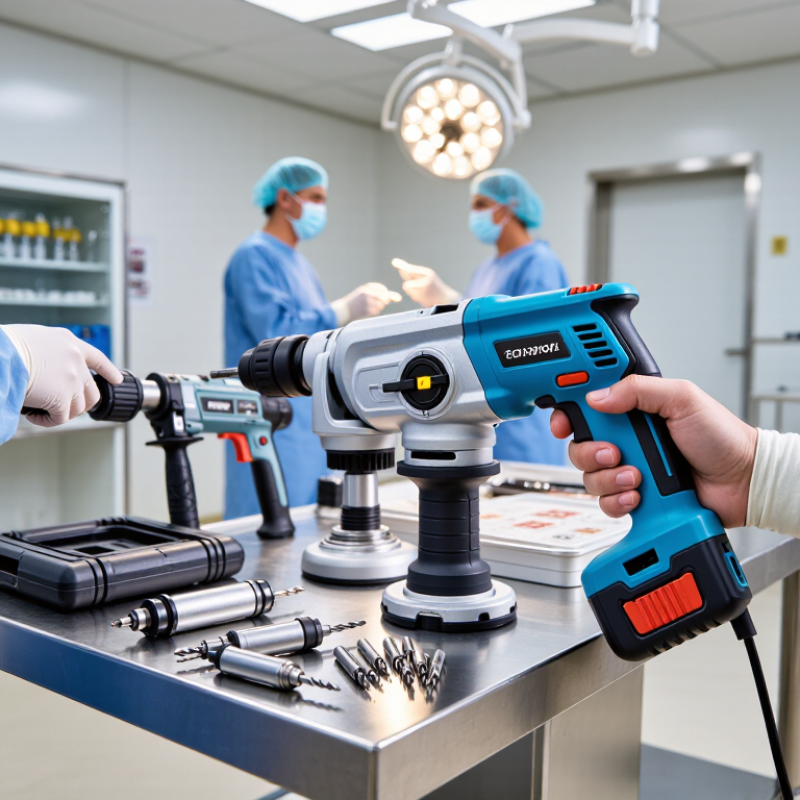
Define the Surgical Requirements and Intended Orthopedic Applications
Choosing an orthopedic power tool begins with the operation, not the catalogue. Define the intended application clearly. Is it trauma fixation, joint replacement, spinal work, or small-bone surgery? Each procedure demands different control, reach, and cutting performance.
Consider the bone condition and surgical site. Dense cortical bone may require steady torque and cooling. Delicate cancellous bone needs restraint. A tool that feels powerful in a demonstration may feel difficult near nerves, vessels, or narrow anatomy. Ask surgeons to test the grip, trigger response, balance, and visibility with gloves. Small details matter.
List the required attachments before comparing specifications. Drilling, reaming, sawing, and wire driving may need separate handpieces. Check operating speed, torque range, chuck compatibility, vibration, noise, and battery endurance. Confirm cleaning, sterilization, and maintenance procedures with the clinical engineering team. The instructions for use should match local requirements and the hospital’s workflow. Never assume one system suits every case.
A practical trial can reveal problems that technical sheets hide. Simulate the planned approach using a representative bone model. Measure access around retractors and confirm that the cable or battery does not obstruct movement. A checklist helps, but it can still miss surgeon fatigue during a long procedure. That weakness deserves discussion before purchase. Keep a verified backup plan for battery failure, attachment damage, or unexpected bone hardness.
Evaluate Power, Speed, Torque, and Control Specifications
7 Tips for Choosing the Best Orthopedic Power Tool?
Power, speed, torque, and control deserve separate checks. Motor wattage alone can mislead. Measure useful power at the cutting accessory, not only at the motor. Higher speed may shorten drilling time, but it can also increase heat. A 2023 review in EFORT Open Reviews links thermal injury risk with prolonged drilling, poor irrigation, and excessive pressure. Choose adjustable speed for dense and fragile bone.
Torque matters during sawing, reaming, and screw preparation. High torque helps prevent stalling, yet uncontrolled torque may damage bone or accessories. Check torque ratings under load, not just maximum values. Fortune Business Insights’ 2024 market report forecasts approximately 4.9% annual growth for orthopedic power tools through 2032. That growth makes careful specification comparisons more important.
Control is where clinical confidence often develops. Look for responsive triggers, stable hand positioning, low vibration, and automatic overload protection. A clutch or feedback system can reduce sudden rotation. Battery voltage does not prove cutting performance. Ask for test results using realistic bone-simulation materials. I once overvalued RPM and overlooked trigger sensitivity. That mistake changed my evaluation sheet. It still needs refinement. Record noise, heat, balance, and cleaning compatibility during hands-on trials. A tool that looks powerful on paper may feel tiring after several minutes. Check service records, maintenance intervals, and validated reprocessing instructions before purchase.
Compare Tool Ergonomics, Handling, and User Safety Features
Choosing the best orthopedic power tool requires more than comparing speed or cutting capacity. Ergonomics often determines control during long procedures. Hold the tool with a gloved hand and check its balance. A front-heavy design can strain the wrist and reduce precision.
Fit matters. Look for a handle that supports a neutral wrist position. Textured surfaces can improve grip when gloves become wet. Controls should remain easy to reach without changing hand position. A responsive trigger helps the user adjust power gradually. Excessive vibration deserves attention. It may cause fatigue, discomfort, or reduced accuracy during repeated work. Ask whether the tool feels stable at different angles, not only in a showroom.
User safety features need careful review. Check for protective guards, trigger locks, overheating alerts, and clear battery indicators. Some tools may include automatic shutoff functions, but these should never replace training. Confirm cleaning and sterilization requirements before purchase. The instructions should be specific and practical. In real clinical settings, noise, limited visibility, and time pressure can change handling performance. A tool that feels comfortable for five minutes may become tiring after an hour. I have found that quick demonstrations can hide this weakness. Longer trial sessions are more revealing. Seek feedback from surgeons, nurses, and sterile processing staff. Their concerns may differ, and ignoring one group can create avoidable risks. Compare documented test results with hands-on experience, then review the choice regularly as procedures and user needs change.
Check Sterilization Methods, Durability, and Maintenance Needs
Choosing an orthopedic power tool requires more than comparing speed, torque, or price. In the operating room, sterilization compatibility affects patient safety and instrument life. Confirm whether the handpiece and attachments tolerate steam autoclaving, low-temperature gas plasma, or another approved method. Read validated instructions, not only a sales summary. Ask how many sterilization cycles the testing covered. That detail matters. A tool may survive routine processing but fail after repeated exposure to heat, moisture, or chemicals. In my equipment evaluations, unclear reprocessing instructions have often caused avoidable delays.
Durability should be judged under realistic orthopedic workloads. Check housing strength, chuck stability, battery sealing, cable strain relief, and attachment fit. Inspect sample units for loose interfaces and rough edges. Request repeated-load test data, not only maximum power ratings. A strong motor is useful, but excessive vibration can increase fatigue and reduce control. Specifications can mislead. Surgical teams should assess balance while wearing gloves and protective clothing. Small handling problems become noticeable during long procedures.
Maintenance needs should be clear before purchase. Look for cleaning access, lubrication points, replaceable seals, battery checks, and service intervals. Confirm whether staff can identify wear without special tools. Keep a simple log for sterilization cycles, repairs, and unusual noise. Follow local sterilization policy and involve infection-control professionals. Do not improvise with unvalidated detergents or shortcuts. I would also test the tool with the actual tray and workflow. A checklist can miss practical friction when turnover is busy. Leave room to revise the choice after supervised clinical use.
Assess Compatibility, Cost, Warranty, and Manufacturer Support
Choosing the best orthopedic power tool requires more than comparing speed and appearance. Clinical workflow, sterilization, and handling matter equally.
Tip 1: Check compatibility. Confirm the tool fits existing batteries, attachments, chargers, and sterilization systems. A small connector mismatch can delay a procedure. Review technical documents, not only sales photographs.
Tip 2: Test ergonomics. Hold the device with gloves. Check balance, trigger sensitivity, vibration, and visibility around the surgical site. A tool that feels comfortable for two minutes may feel tiring during longer use.
Tip 3: Compare total cost. Include accessories, maintenance, batteries, calibration, and staff training. The lowest purchase price may become expensive after repeated repairs. Cost is rarely simple.
Tip 4: Examine warranty terms carefully. Check coverage length, exclusions, repair timelines, and replacement procedures. Ask whether battery failure is included. Vague wording deserves further questions.
Tip 5: Evaluate manufacturer support. Reliable support should offer clear manuals, responsive technical staff, training resources, and documented service channels. Ask who handles urgent equipment problems after installation.
Tip 6: Request evidence of performance. Look for test data, cleaning instructions, and compliance documentation relevant to your facility. Independent clinical feedback can reveal weaknesses that brochures omit.
Tip 7: Plan for failure. Ask about loaner equipment, spare parts, and service availability in your region. I would not assume every promised repair time is realistic. Written commitments are safer than friendly assurances.
A purchasing committee should record each answer and compare tools under identical conditions. That process may feel slow. It can prevent a costly, uncomfortable surprise.