What is a Pneumatic Actuator and How Does It Work?
Pneumatic Actuators are essential components in various industrial applications, driving efficiency and precision. According to a recent report from MarketsandMarkets, the global pneumatic actuator market is projected to reach $8.23 billion by 2024, growing at a CAGR of 6.2%. This significant growth is driven by increased automation in industries like manufacturing and agriculture.
These devices convert compressed air into mechanical motion. They are known for their reliability and speed. However, there are challenges. For instance, pneumatic actuators can lead to energy loss if not properly maintained. This can undermine their efficiency and increase operational costs. Real-world applications highlight the importance of regular service checks.
In sectors such as oil and gas, precise control is critical. Pneumatic actuators provide this control but also require proper installation and calibration. Mistakes in setup can lead to inefficiencies. Understanding how these components function is vital for engineers and technicians alike. Overall, while pneumatic actuators offer significant advantages, their effectiveness depends on careful management and ongoing evaluation.
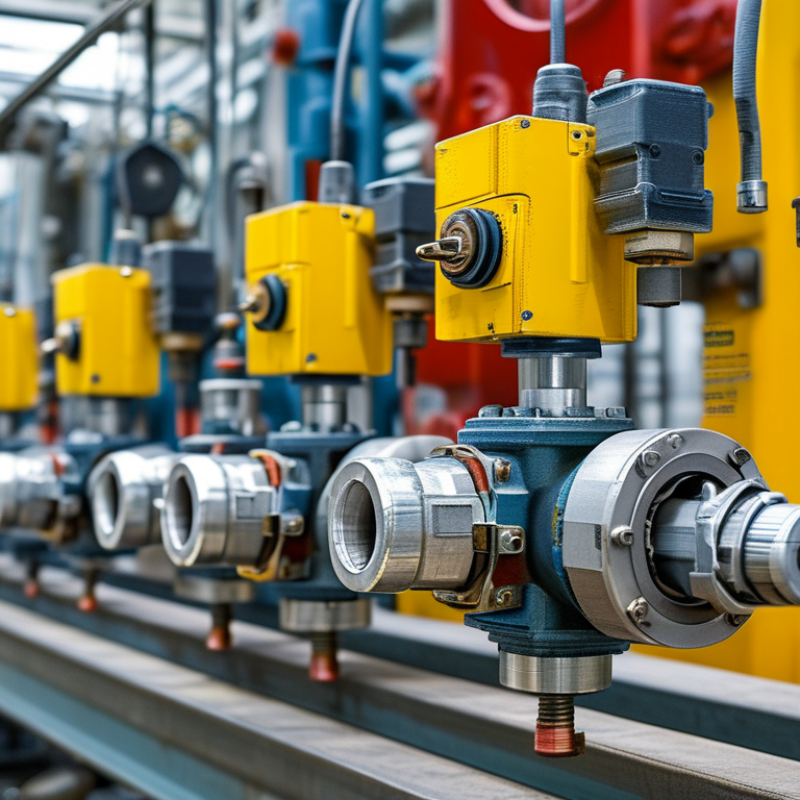
Definition and Basic Principles of Pneumatic Actuators
Pneumatic actuators are devices that convert compressed air energy into mechanical motion. They are widely used in industrial applications for automation tasks, such as moving or controlling machinery. This technology utilizes the principles of fluid dynamics and mechanics. By manipulating air pressure, pneumatic actuators create linear or rotary motion.
One common type is the cylinder actuator. It contains a piston that moves when air enters the chamber. This movement can push or pull loads depending on the configuration. The mechanism is relatively simple but highly effective. In contrast, rotary actuators use the same principle to create circular motion. They are essential for applications requiring precision in rotation.
However, pneumatic actuators also have their drawbacks. Air leaks can reduce efficiency, and variations in air pressure can affect performance. Users need to ensure that the compressed air supply is consistent. While they are reliable, it's crucial to monitor their condition regularly. This vigilance can prevent unexpected breakdowns and ensure smooth operations.
Types of Pneumatic Actuators and Their Applications
Pneumatic actuators are essential in various industries. They use compressed air to convert energy into motion. There are several types of pneumatic actuators, each designed for specific applications. Understanding these types helps in choosing the right actuator for your needs.
Linear actuators are the most common type. They produce straight-line motion and are widely used in manufacturing. Rotary actuators, on the other hand, provide rotational motion. They are ideal for valves or other applications requiring a turning action. Each type has unique features that affect efficiency and performance.
**Tips:** When selecting a pneumatic actuator, consider the environment. High temperatures or humidity can impact performance. Also, ensure you match the actuator size to the task. An improperly sized actuator could lead to wasted energy or inadequate power. Regular maintenance is crucial for longevity and reliability.
Consider composite actuators combining linear and rotary actions. They offer versatility but may require more complex installation. Remember to evaluate potential constraints in your system. Understanding the limitations can prevent failures and enhance safety.
What is a Pneumatic Actuator and How Does It Work? - Types of Pneumatic Actuators and Their Applications
| Type | Operation Principle | Applications | Advantages | Disadvantages |
| Double Acting Actuator | Uses compressed air to move the actuator in both directions. | Industrial machinery, robotic arms, valve control. | High force, precise control, reliable performance. | Requires more complex control system, higher cost. |
| Single Acting Actuator | Uses compressed air to move in one direction, spring returns to original position. | Automated doors, clamps, and applications where return force is needed. | Simpler design, less air consumption, cost-effective. | Less control over the return speed, limited to unidirectional tasks. |
| Rotary Actuator | Converts linear pressure into rotational motion. | Circuit breakers, valves, and steering systems. | Compact size, suitable for tight spaces, high torque. | Complex installation, may require additional gear systems. |
| Orifice Actuator | Utilizes an orifice to control the flow of air, adjusting speed and position. | Flow control in piping systems, pressure regulation. | Fine control of speed and position, efficient use of air. | Potential clogging issues, requires regular maintenance. |
Components and Mechanisms of Pneumatic Actuators
Pneumatic actuators are essential in automation. They convert compressed air energy into mechanical motion. Understanding their components is crucial for effective application and maintenance.
The main components of a pneumatic actuator include a cylinder, piston, and valve. The cylinder houses the piston, which moves when compressed air enters. This movement generates force, translating to linear or rotational motion. Valves control air flow and pressure, ensuring precise operation. Maintaining these components ensures longevity and efficiency.
Tips: Regularly check for air leaks to prevent energy wastage. Proper lubrication can reduce friction and wear. Always verify the compatibility of materials in your actuator setup.
Additionally, understanding the mechanical design is important. Misalignment can cause operational issues. Routine inspections help identify potential problems before they escalate. It's vital to recognize that even minor neglect can lead to significant downtime in operations.
Pneumatic Actuator Performance Overview
This chart illustrates the performance characteristics of a pneumatic actuator, showcasing speed, force, stroke length, and response time metrics, providing a clear overview of its capabilities.
How Pneumatic Actuators Generate and Control Motion
Pneumatic actuators are devices that convert compressed air into mechanical motion. They play a crucial role in various industrial applications. These actuators generate motion by using the energy stored in compressed air. When the air enters the actuator, it pushes against a diaphragm or piston, creating movement. This movement can be linear or rotary, depending on the actuator's design.
Controlling motion with pneumatic actuators involves precise management of air supply. Regulators and valves are essential for adjusting pressure and flow. Users can fine-tune the motion speed, force, and direction. However, it’s vital to monitor air pressure, as fluctuations may lead to unpredictable movements. Lack of maintenance can cause wear and inconsistencies in performance.
Tips: Regularly check for air leaks. Leaks can reduce efficiency and increase operating costs. Also, ensure that the actuator is compatible with the air quality. Moisture and impurities can damage the internal components over time. Proper lubrication can mitigate wear and prolong the actuator's lifespan.
Advantages and Limitations of Using Pneumatic Actuators
Pneumatic actuators convert compressed air into mechanical motion. They are widely used in various industries for automation. One major advantage of pneumatic actuators is their speed. They can operate quickly, making them ideal for applications that require rapid movements.
However, pneumatic actuators are not without limitations. They rely on a consistent air supply, which can be a challenge. If the air pressure fluctuates, performance may degrade. This inconsistency can lead to hesitation in movement or even complete failure in some cases. Additionally, they may struggle with precision in comparison to electric actuators.
Tip: Regular maintenance is essential. Inspect air supply lines for leaks. Ensure all components are clean and in good condition.
Another advantage is their safety in hazardous environments. Since they do not use electricity, the risk of sparks is minimal. This makes them suitable for areas with flammable materials. On the flip side, pneumatic systems often require larger space for installation. They may also produce noise during operation, which is a consideration in workplace environments.
Tip: Use noise-dampening materials when installing pneumatic actuators. This can help create a safer, more comfortable work environment.
In conclusion, pneumatic actuators offer speed and safety, but can struggle with reliability and space requirements. Understanding these pros and cons will aid in making informed decisions for your projects.