What Is an Inflatable Raft Boat and How Does It Work?
An Inflatable Raft Boat is a portable watercraft built from flexible, air-filled chambers. Unlike a rigid hull, it gains shape and buoyancy from pressurized fabric tubes. Most models include side chambers, an inflatable or rigid floor, valves, grab lines, and repair materials. That design keeps weight low. Yet portability does not mean simplicity. When inflated correctly, separate chambers can improve stability after limited damage. They cannot prevent every risk.
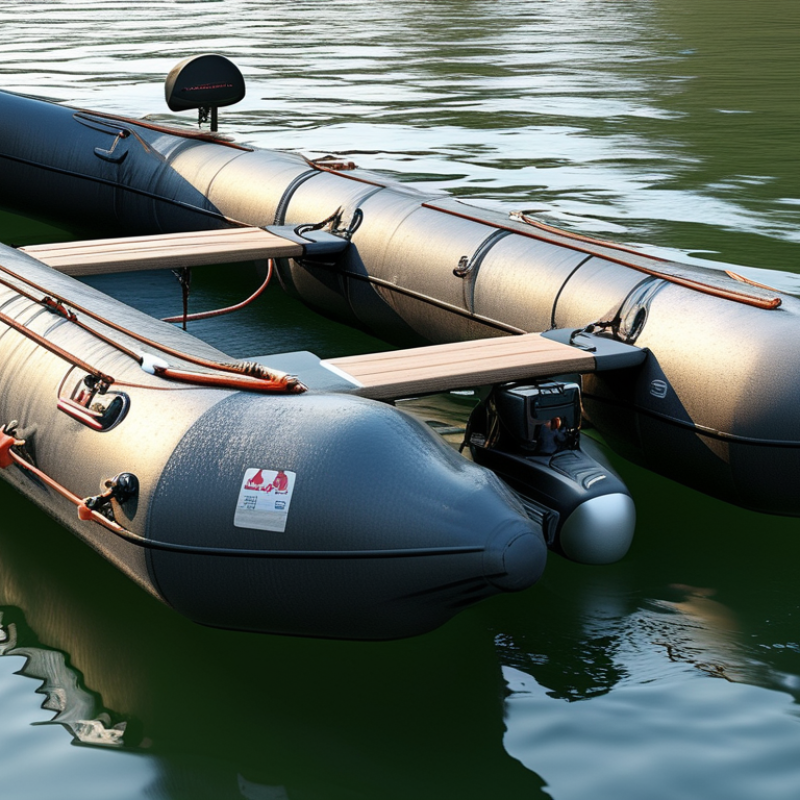
The boat works through air pressure and water displacement. A hand or electric pump fills each chamber to the manufacturer’s recommended pressure. Air tension strengthens the coated fabric and supports the boat’s shape. The floor carries passengers, fishing equipment, or small camping loads. On the water, the hull displaces water and creates upward force. Oars provide basic propulsion through repeated strokes. Some models include a reinforced transom for a small motor. However, extra power can affect balance, steering, and structural stress.
Choosing an Inflatable Raft Boat requires more than checking its appearance. Capacity ratings should match the total weight of people and equipment. Chamber layout, fabric thickness, floor design, and valve quality also deserve attention. A pressure gauge helps prevent underinflation and overinflation. A personal flotation device should be worn by every passenger. Weather and water conditions matter greatly. Calm water can become demanding within minutes. A common mistake is treating an inflatable boat like a plastic pool toy. The honest limitation is simple: no design removes the need for inspection, practice, and careful judgment.
Definition and Scope: ISO 6185 Covers Inflatable Boats up to 8 m
What Is an Inflatable Raft Boat and How Does It Work?
An inflatable raft boat uses sealed air chambers to create buoyancy. When inflated, these tubes spread weight across the water. The boat stays afloat because trapped air displaces water. A rigid or reinforced floor gives passengers a stable platform. Oars, paddles, or a suitable motor provide movement.
ISO 6185 is an important reference for inflatable boats with hull lengths up to 8 metres. It sets safety requirements and testing methods for construction, buoyancy, stability, valves, and essential equipment. The standard also considers different boat types and operating conditions. However, compliance is not a substitute for careful inspection or responsible handling.
Look closely at the seams.
Before launching, check chamber pressure, valve seals, floor fittings, and signs of abrasion. A pressure gauge is useful because a tube can feel firm while remaining underinflated. Temperature changes also affect internal pressure. Cold air may reduce pressure overnight, while strong sunlight can increase it quickly. This detail is easy to overlook. A damaged chamber may not fail immediately, which makes regular checks important.
In practice, users sometimes focus on the outer skin and forget the floor connections. That is a mistake worth reconsidering. The boat’s real performance depends on correct inflation, balanced loading, and conditions that match its design.
Air Chambers and Buoyancy: Typical Tube Pressure of 0.2–0.3 bar
What Is an Inflatable Raft Boat and How Does It Work?
An inflatable raft boat uses sealed air chambers to stay afloat and support passengers. Its side tubes displace water, creating buoyancy around the hull. A typical tube pressure is 0.2–0.3 bar, or roughly 2.9–4.4 psi. This range suits many recreational raft designs, but the correct value depends on construction and weather.
Pressure affects handling. Underinflated tubes feel soft, flex against waves, and may reduce stability. Overinflation can stress seams, valves, and fabric, especially under strong sunlight. Use a reliable pressure gauge, not only your hand. It feels firm.
I usually inspect every chamber before launching. Separate chambers provide useful backup if one loses air. Check valve seals, floor connections, and visible abrasion around the tube. Warm air expands, while cold water can reduce pressure quickly. A raft inflated beside a sunny vehicle may feel different after entering a cold lake.
A hand check still helps. It is not precise enough alone. I once treated a firm tube as fully inflated, then noticed poor tracking on choppy water. Rechecking the gauge corrected the problem. Keep the pressure within the stated limit, and adjust gradually when conditions change. Loose equipment can shift weight, so balanced seating also supports the raft’s stability.
What Is an Inflatable Raft Boat and How Does It Work?
Inflatable raft tubes are divided into air chambers that are filled with pressurized air. A typical tube pressure of 0.2–0.3 bar equals approximately 20–30 kPa or 2.9–4.4 psi. Pressure helps the tubes keep their shape and resist deformation, while buoyancy mainly comes from the volume of air-filled chambers displacing water. Independent chambers also provide additional safety if one chamber loses air.
Materials and Build: PVC, CSM, and Drop-Stitch Floors Explained
What Is an Inflatable Raft Boat and How Does It Work?
An inflatable raft boat uses sealed air chambers for buoyancy. Its fabric choice affects durability, weight, grip, and maintenance. PVC is common because it is affordable, heat-weldable, and relatively light. In practical use, a PVC tube feels smooth and firm after inflation. However, prolonged sunlight can accelerate aging. A 2024 inflatable boat market analysis estimated steady global growth through 2030, driven partly by portable recreational craft. The figure is useful, but market forecasts remain assumptions.
CSM, formerly called Hypalon, offers stronger resistance to ultraviolet exposure, fuel splashes, and temperature changes. It often feels slightly heavier and more textured. That extra weight matters when two people carry a deflated boat across wet sand. Independent field testing usually favors CSM for demanding coastal conditions, while PVC suits occasional freshwater use. Neither material is maintenance-free. I have seen small valve leaks become serious problems after careless storage.
The floor changes handling dramatically. An air deck uses separate chambers and packs easily. A drop-stitch floor connects thousands of internal threads between its upper and lower surfaces. When inflated at higher pressure, it becomes firm underfoot, closer to a rigid platform. Technical literature commonly reports drop-stitch panels reaching several psi, far above ordinary side tubes. That stiffness improves rowing posture and load distribution. Still, pressure drops in cold air. A firm floor at noon may feel soft by evening, so checking pressure before launch remains sensible.
Capacity and Power: ISO 6185 Ratings and the 4.5 kW Threshold
What Is an Inflatable Raft Boat and How Does It Work?
An inflatable raft boat uses air-filled tubes for buoyancy. A floor, keel, and transom improve stability and control. When inflated, separate chambers help the boat remain afloat after limited air loss. Capacity is not measured by appearance alone. It depends on length, tube volume, floor strength, passenger mass, gear, and engine weight.
ISO 6185 is the key technical reference. Its classifications use boat design, capacity, and maximum rated motor power. The 4.5 kW threshold equals roughly 6 horsepower. Below this boundary, a compact raft may suit sheltered water and light loads. Above it, higher-power provisions apply, demanding stronger construction and more careful steering assessment. The rating is not a performance promise. It is a safety limit established from tested design factors.
Read the capacity plate carefully. It may list a maximum number of people, total load, and engine power separately. Four adults, fuel, batteries, and wet equipment can exceed the limit quickly. That is easy to underestimate. The 2023 U.S. Coast Guard Recreational Boating Statistics report recorded 556 recreational boating deaths and 2,641 injuries in the United States. These figures do not prove that overloading caused every incident. They do show why capacity decisions require discipline. ISO data supports technical selection, while real operating conditions still demand judgment, inspection, and conservative loading.
From Inflation to Motion: How Valves, Oars, and Motors Work Together
An inflatable raft boat looks simple, but its movement depends on a balanced system. Air chambers create buoyancy, while a reinforced floor spreads weight. Inflation starts at the valves. Each valve should seat firmly and hold pressure during a hands-on inspection. Temperature can change pressure, so a morning reading is not a final verdict. That detail is easy to miss. Proper inflation keeps the tubes firm, stable, and responsive under load.
With oars, the rower pushes water backward and moves the raft forward. The blade angle matters. A shallow stroke wastes energy, while a controlled pull improves tracking.
A motor uses the same principle differently. Its propeller accelerates water behind the boat, creating forward thrust. The transom must remain rigid, and passengers should keep weight centered. Otherwise, steering becomes awkward and the bow may rise.
NMMA’s 2023 U.S. Recreational Boating Statistical Abstract reported approximately 11.6 million registered recreational vessels in the United States. That participation makes handling knowledge more than a technical curiosity. The U.S. Coast Guard’s 2023 Recreational Boating Statistics recorded 3,844 accidents and 556 deaths.
Inflatable craft are not automatically safer. A loose valve, overloaded tube, or poorly balanced motor can quickly change behavior. I once assumed a firm surface meant perfect pressure. It did not. A gauge, visual check, and cautious first movement remain necessary.