Choosing a Sewer Jetter Machine in 2026 starts with the pipe, not the biggest pressure number. A small residential line and a long municipal main place very different demands on equipment. The wrong match can waste water, slow a job, or leave debris behind. Sometimes, more pressure is not the answer.
The U.S. Environmental Protection Agency’s 2022 Clean Watersheds Needs Survey estimated $630.1 billion in wastewater and stormwater infrastructure needs over 20 years. That figure is not a sewer-jetter sales forecast. It does show the scale of the maintenance challenge facing communities and utilities. For buyers, practical details matter: pipe diameter, typical blockage, hose length, nozzle choice, water supply, and access to the worksite. A compact unit may suit indoor service calls, while larger lines can call for more flow, longer hose, and a trailer-mounted system.
Compare operating pressure and flow together. Check engine or motor requirements, tank capacity, hose durability, service access, and available safety features. Ask suppliers for performance guidance tied to your actual pipe sizes and use cases. Then verify those claims against the manufacturer’s specifications. A glossy pressure rating alone tells only part of the story.
One source limitation matters: no source material was provided for a verifiable quotation from a named sewer-jetter expert. Inventing one would undermine reliable buying advice. This guide therefore focuses on documented infrastructure data and specifications buyers can check. The final choice should fit the work you perform most often—not an idealized job that rarely appears.
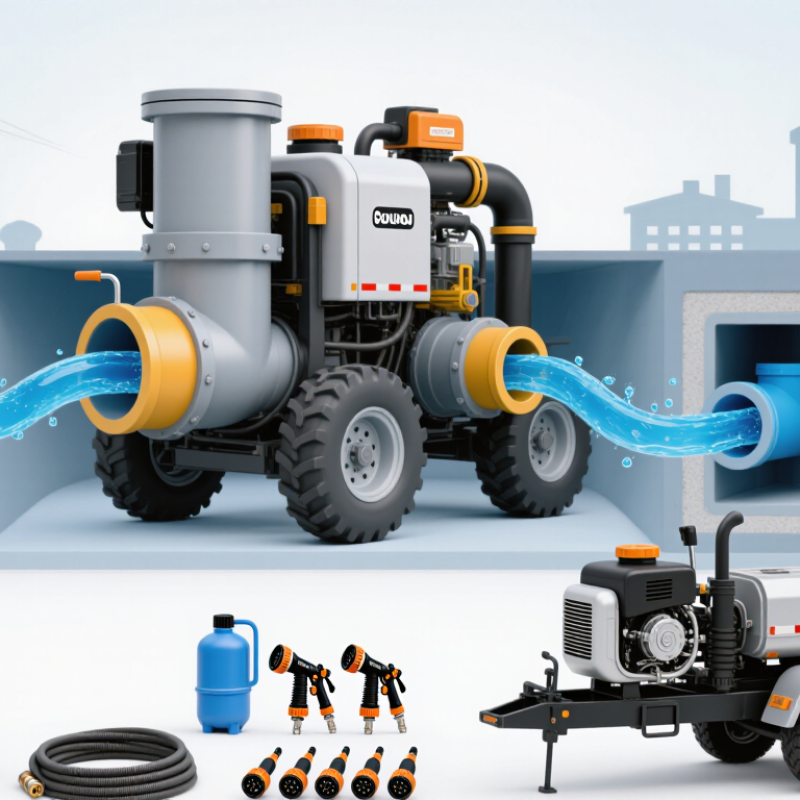
A sewer jetter uses pressurized water to clear buildup from drain and sewer lines. Its purpose is to remove grease, soft roots, sediment, and other deposits that restrict flow. It is not simply a stronger garden hose. A pump raises water pressure, while a hose and specialized nozzle direct the flow through the pipe.
The nozzle’s rear-facing jets help pull the hose forward and scour debris from the pipe wall. Some nozzles also have a forward jet for breaking through a blockage. Water carries loosened material toward an access point, where it can be removed or flushed onward. Keep the work area controlled. A wet floor can become slippery quickly.
Choosing a machine starts with the pipe’s diameter, length, material, and likely obstruction. Small indoor drains usually need less flow and a smaller hose than long, large-diameter lines. Pressure alone does not tell the whole story; water flow, nozzle design, and hose flexibility matter too. Check the pipe’s condition before jetting, since damaged or fragile sections may worsen under force. That detail is easy to miss. In practice, diagnosing a blockage can be uncertain, even with experience. It depends. Start conservatively and inspect the result rather than assuming one pass solved it.

Choosing a sewer jetter starts with the pipe, not the machine’s headline pressure. A small residential branch line may need a compact hose and a modest nozzle, while long, larger-diameter mains can require greater flow and hose reach. Check the pipe material, diameter, length, access points, and condition before selecting equipment. Older or fragile pipes deserve extra care; excessive pressure can worsen existing damage. Small lines need restraint.
Then match the jetter to the blockage. Grease and soft sludge often respond to flushing flow, while roots or hardened deposits may need a suitable cutting nozzle and a careful inspection first. A jetter is not a cure for every obstruction. If the line is collapsed or badly offset, more pressure will not fix it. That distinction is easy to miss when a drain is urgent.
Workload matters just as much. Occasional household use has different demands from daily commercial cleaning across several properties. Consider setup time, water supply, hose storage, transport, and how often the machine must run between jobs. A machine that looks powerful on paper can feel awkward in a narrow service area. Estimate typical jobs, then allow for a few difficult ones; the estimate will not always be right. Keep operating instructions available, and use appropriate protective equipment during work.
Choose a sewer jetter configuration around the pipe, blockage, and access point—not pressure alone. A compact, portable unit can suit indoor drains and short runs, where stairs, tight turns, and nearby water access matter. For long municipal lines or heavy sediment, compare flow rate, hose length, and reel capacity alongside pressure. Not pressure alone. More water can carry loosened debris away, while adequate pressure helps break deposits. The best balance depends on pipe diameter, material, and the obstruction. A grease plug is not the same job as settled sand.
EPA’s 2022 Clean Watersheds Needs Survey estimated $630.1 billion in wastewater infrastructure needs over 20 years. That figure describes infrastructure needs, not jetter demand, but it underscores why crews should match equipment to recurring maintenance work. Check the manufacturer’s operating range against the pipe and nozzle requirements, then confirm the machine can reach the line without awkward hose handling.
Small details matter.
A long hose may reach the blockage, yet poor reel access can slow the job. I would not size a machine around one stubborn clog; review typical jobs, water supply, transport limits, and operator training before choosing a configuration.
How to Choose a Sewer Jetter Machine in 2026?
Compare Pressure, Flow Rate, Hose, and Power Requirements
Choosing a sewer jetter starts with the drain, not the machine’s biggest advertised number. Pressure helps break up deposits, while flow carries loosened debris downstream. Flow matters. Check both ratings at the same operating conditions; a pump’s maximum pressure alone tells you little about its cleaning performance. Match the nozzle to the pipe size and blockage type, and follow the equipment maker’s pressure limits. Too much force can damage weak or aging lines.
Hose length and diameter affect delivery, too. A long, narrow hose can reduce flow at the nozzle, while a heavier hose may be harder to feed through tight bends. Check its pressure rating, fittings, and working length before buying. Measure twice. Then consider power: electric units may suit nearby outlets and shorter jobs, while engine-driven units offer more mobility but need ventilation and fuel handling. Confirm that your site can supply the required power, and compare pump output under realistic conditions. There is rarely a perfect all-purpose setup; pipe condition and access can change what works. It is easy to overlook those details when comparing numbers on a spec sheet.
A sewer jetter should match the drains you actually service, not the toughest job you might encounter once a year. Check the machine’s rated pressure and flow against pipe sizes and typical blockages. Higher pressure is not automatically better. A pressure gauge, accessible emergency stop, guarded moving parts, and a trigger that stops flow when released can help reduce risk. Inspect hose connections and restraints, too. Small details matter.
Ask how routine maintenance works before comparing purchase prices. Can an operator reach the inlet filter without removing half the housing? Are pump oil checks, nozzle inspections, and hose replacements straightforward? Clear service instructions and readily available wear parts can reduce downtime. Keep a simple maintenance log; missed checks are easy to overlook during a busy week. Not just pressure.
Estimate total ownership cost over several years. Include fuel or electricity, water use, replacement nozzles, hose repairs, scheduled servicing, and operator training. A lower-priced unit may cost more if repairs take longer or parts are difficult to source. Also consider transport and storage: a heavy machine that barely fits the service vehicle can slow every job. No estimate is perfect. Leave room for unexpected repairs, and compare realistic annual workloads rather than best-case figures.
Compare machine categories against the work you expect to perform. Pressure and flow are typical configuration ranges, not guarantees; confirm the rated working specifications and included safety equipment with the supplier.
| Machine Category | Typical Pressure and Flow | Best-Fit Work | Safety Features to Verify | Routine Maintenance Considerations | Indicative Purchase Cost (USD) | Estimated Annual Running and Maintenance Cost (USD) | Estimated 5-Year Total Ownership Cost (USD) |
|---|---|---|---|---|---|---|---|
| Portable electric jetter | About 1,000–2,000 psi; 1.5–4 gpm | Small-diameter indoor drains and light-duty, shorter cleaning jobs where access and portability matter. | Ground-fault circuit protection; a pressure-rated hose and fittings; a trigger or foot control that stops flow when released; a pressure-relief device; clear operating instructions. | Inspect the power cord, hose, fittings, and nozzle before use. Follow the manual for pump checks, winter storage, and inspection or replacement of worn seals and hoses. | $2,000–$5,000 | $500–$1,200 | $4,500–$11,000 |
| Gas-powered trailer jetter | About 2,000–4,000 psi; 5–10 gpm | Residential and light commercial sewer lines; suitable when a tow vehicle is available and a mobile, self-contained setup is useful. | Emergency stop; pressure-relief protection; hose restraint or whip-check provisions; guarded hot and moving components; secure hose storage; stable trailer coupling and parking support. | Check engine oil, filters, belts, pump oil, and hose condition on the manufacturer’s schedule. Drain or protect the system for freezing weather; inspect nozzles for wear or blockage. | $12,000–$30,000 | $2,000–$6,000 | $22,000–$60,000 |
| Skid-mounted gas jetter | About 2,000–4,000 psi; 8–18 gpm | Higher-volume residential or commercial work where the unit can be installed in a service vehicle or carried on a suitable platform. | Accessible emergency stop; pressure-relief protection; correctly rated hoses and fittings; hose restraints; secure mounting; exhaust ventilation when operated near or inside a vehicle. | In addition to pump and hose inspections, maintain the engine and mounting hardware. Check for vibration-related leaks, nozzle wear, and any corrosion or damage to the reel and frame. | $20,000–$50,000 | $3,500–$9,000 | $37,500–$95,000 |
| Truck-mounted high-flow jetter | Common configurations range from about 1,500–4,000 psi and 20–80 gpm; specifications vary substantially by system. | Frequent municipal, large-diameter, or demanding commercial cleaning where high water capacity and onboard equipment justify a dedicated vehicle. | Clearly labeled emergency shutdowns; pressure-relief and over-temperature protection; guarded reels and moving parts; rated hose restraints; safe access to controls; vehicle and tank load limits suited to the installation. | Plan for scheduled pump, engine, chassis, tank, reel, and hose servicing. Track operating hours, inspect safety devices, and budget for larger-capacity wear parts and vehicle maintenance. | $80,000–$250,000 | $10,000–$30,000 | $130,000–$400,000 |
Cost basis: Illustrative 2026 U.S. budget ranges, not supplier quotes. Five-year total ownership cost is calculated as purchase cost plus five years of estimated fuel or electricity, scheduled service, and routine wear items such as hoses and nozzles. It excludes labor, taxes, financing, insurance, major repairs, and resale value. Actual costs depend on configuration, usage, location, and maintenance practices. Use equipment within its rated limits and follow the manufacturer’s safety and service instructions.
Contact
KYOCERA SGS Precision Tools, Inc.
(330) 686-5700
150 Marc Drive
Cuyahoga Falls, OH 44223
Products
Resources