What is a Galvanized Hexagonal Flange Nut and Its Uses?
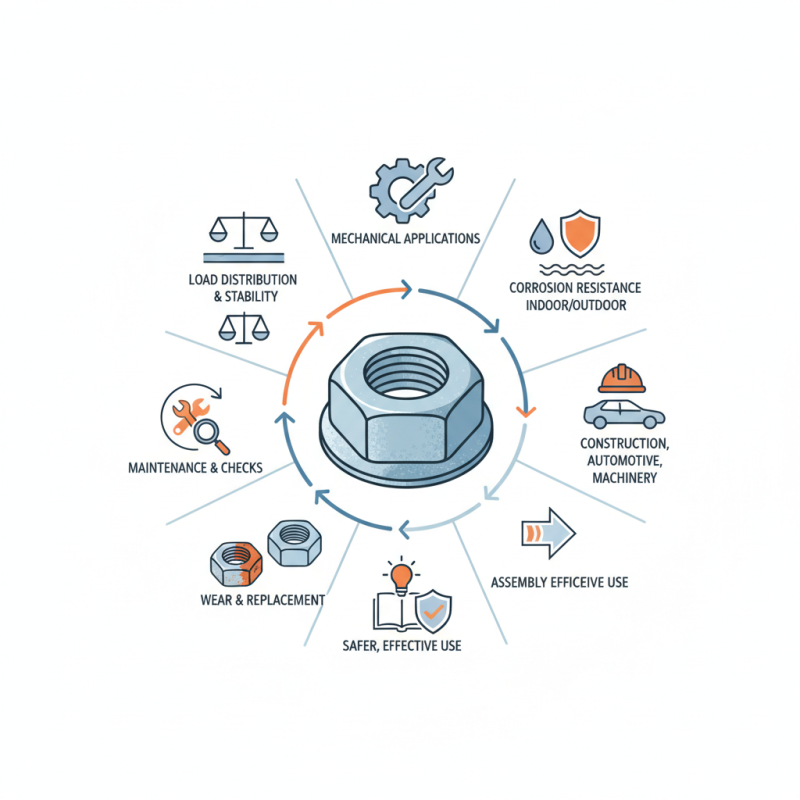
Galvanized hexagonal flange nuts are essential components in various mechanical applications. They feature a flanged design that provides a larger surface area. This design helps distribute the load more evenly, which enhances stability.
Crafted from steel and coated with zinc, these nuts resist corrosion. This makes them suitable for both indoor and outdoor environments. Their durability is vital in construction, automotive, and machinery sectors. Using a galvanized hexagonal flange nut improves assembly efficiency as well.
Maintenance is crucial to ensure their effectiveness. Over time, wear and corrosion may diminish their performance. Therefore, regular checks and replacements are necessary. Understanding their properties empowers users to make informed choices. This knowledge leads to safer and more effective applications.
Definition and Characteristics of Galvanized Hexagonal Flange Nut
A galvanized hexagonal flange nut is a type of fastener with a six-sided shape and a built-in flange. This flange provides a large bearing surface, enhancing grip and stability. The galvanization process, which involves coating the nut with zinc, protects it from rust and corrosion. This makes it ideal for outdoor and marine applications.
These nuts are particularly useful in structural applications. They ensure secure fastening in environments where moisture is present. The added flange helps distribute the load evenly, which can prevent loosening over time. For example, they are commonly used in the construction of bridges, railings, and equipment.
Tips: When selecting a galvanized hexagonal flange nut, consider the environment. If you expect exposure to sea air, choose one with a thicker zinc coating. Regularly check for signs of wear or corrosion, as this can indicate potential failure. Proper installation is key; use appropriate torque to ensure the nut is secure but not over-tightened.
Materials Used in Galvanized Hexagonal Flange Nuts
Galvanized hexagonal flange nuts are widely used in various applications due to their durability and corrosion resistance. These nuts are typically made from steel that has been coated with zinc. The zinc coating provides a protective layer against rust and other environmental factors. This makes them ideal for outdoor and industrial settings.
The primary materials used in galvanized hexagonal flange nuts are usually steel or iron, with a hot-dip galvanization process. This process ensures that the zinc coating is thick and long-lasting. In some cases, these nuts may also use different alloys for strength. The flange design offers greater load-bearing capacity. It also reduces the chances of loosening over time.
Despite their advantages, common issues do arise. For instance, the coating may wear away over time, exposing the base metal. It is important to regularly inspect these nuts, especially in harsh environments. Proper installation and maintenance can extend their lifespan significantly. These materials offer a combination of strength, stability, and resistance, making them essential in construction and machinery applications.
Applications of Galvanized Hexagonal Flange Nuts in Construction
Galvanized hexagonal flange nuts are essential components in construction. Their unique design features a wide flange that acts like a washer, distributing pressure evenly. This reduces the risk of damage to the connecting material. The galvanized coating also protects against corrosion, making these nuts perfect for outdoor applications.
In construction, these nuts are commonly used to secure structural steel connections. They are found in bridges, buildings, and other infrastructures. Their ability to withstand harsh weather conditions enhances their reliability. While they offer several advantages, it’s important to ensure proper installation. Incorrect torque can lead to failure, which is a significant concern during construction.
Additionally, working with galvanized hexagonal flange nuts can sometimes present challenges. The coating might cause slipping if not properly handled. Sometimes, workers may overlook the importance of checking for wear and tear on these components. Regular inspections and maintenance can prevent unexpected issues. Overall, understanding their uses and limitations is crucial for anyone involved in construction projects.
What is a Galvanized Hexagonal Flange Nut and Its Uses? - Applications of Galvanized Hexagonal Flange Nuts in Construction
| Application | Description | Industry | Advantages |
| Structural Steel Connections | Used to secure structural steel elements in construction. | Construction | Enhanced strength and corrosion resistance. |
| Machinery Assembly | Used in the assembly of heavy machinery to ensure durable fastening. | Manufacturing | Rugged design for heavy loads. |
| Outdoor Fixtures | Utilized in securing outdoor structures like fences and benches. | Landscaping | Weather resistance ensures longevity. |
| Bridging Elements | Important for fastening bridge components together. | Civil Engineering | High load capacity and stability. |
| Automotive Industry | Used for various assembly operations in vehicles. | Automotive | Robust fastening for safety. |
Benefits of Using Galvanized Hexagonal Flange Nuts
Galvanized hexagonal flange nuts offer several advantages in both industrial and DIY applications. One of the main benefits is their corrosion resistance. The galvanized finish protects the nuts from rust, especially in outdoor or humid environments. This feature ensures durability and increases the lifespan of the components they secure. For anyone involved in construction or metalwork, this quality is essential.
Another important benefit is enhanced load distribution. The flange design creates a larger surface area in contact with the material. This reduces the risk of deformation and prevents loosening over time. With proper installation, galvanized hexagonal flange nuts improve the reliability of joined materials. They are particularly useful in applications such as automotive assembly or structural projects.
However, users should be mindful of the correct torque specifications. Over-tightening can lead to material fatigue, while under-tightening may result in failure. Regular checks can help monitor their condition and ensure ongoing safety. While their advantages are clear, consistent maintenance is necessary for optimal performance.
Installation and Maintenance Tips for Hexagonal Flange Nuts
Hexagonal flange nuts are essential in various applications, providing a robust fastening solution. For effective installation, proper handling is key. Begin by ensuring the surfaces are clean and free from debris. This minimizes the risk of corrosion and enhances the nut's grip. Align the nut correctly with the bolt before tightening.
Here are some tips for long-term maintenance. Regularly inspect the fasteners for signs of wear or rust. If you notice any deterioration, replace them promptly. Applying a protective coating can significantly increase their lifespan. Additionally, consider the torque specifications when tightening. Over-tightening can lead to stripping, while under-tightening may result in loosening over time.
Don't forget about environmental factors. Humidity and exposure to chemicals can affect the performance of the nuts. Make it a habit to regularly check and maintain your installation. Use a torque wrench for accuracy during installation. Small oversights can lead to bigger issues down the road.