2026 How to Choose the Best Plastic Jerry Can 5 Ltr?

Choosing a Plastic Jerry Can 5 Ltr involves more than checking capacity. The can must suit its contents, filling process, storage conditions, and handling. A cap that feels tight in a showroom may still leak after repeated opening. A sturdy handle can also become uncomfortable when the container is full. Small details matter.

The scale of plastic packaging makes careful selection worthwhile. Plastics Europe’s 2023 report, Plastics—The Fast Facts, states that packaging represented 39.1% of plastics converter demand in Europe in 2022. That figure describes Europe, not every market, but it shows how significant packaging is to plastics use. Clemson packaging scientist Dr. Andrew Hurley’s work offers a useful perspective. This guide’s paraphrase of a packaging-science principle is: “Match the package to the product and its handling conditions.” It is not a verified direct quotation.

For a 5-litre can, compare material specifications, wall construction, closure fit, grip, and stated compatibility with the intended contents. Ask suppliers for technical data and relevant test information, rather than relying on appearance alone. A glossy label proves little. So does a confident sales claim. If the can will be carried often, picture its filled weight in one hand and check whether the grip remains practical. The right choice depends on real use, and sometimes the first choice needs reconsideration. This guide explains what to inspect before you buy.
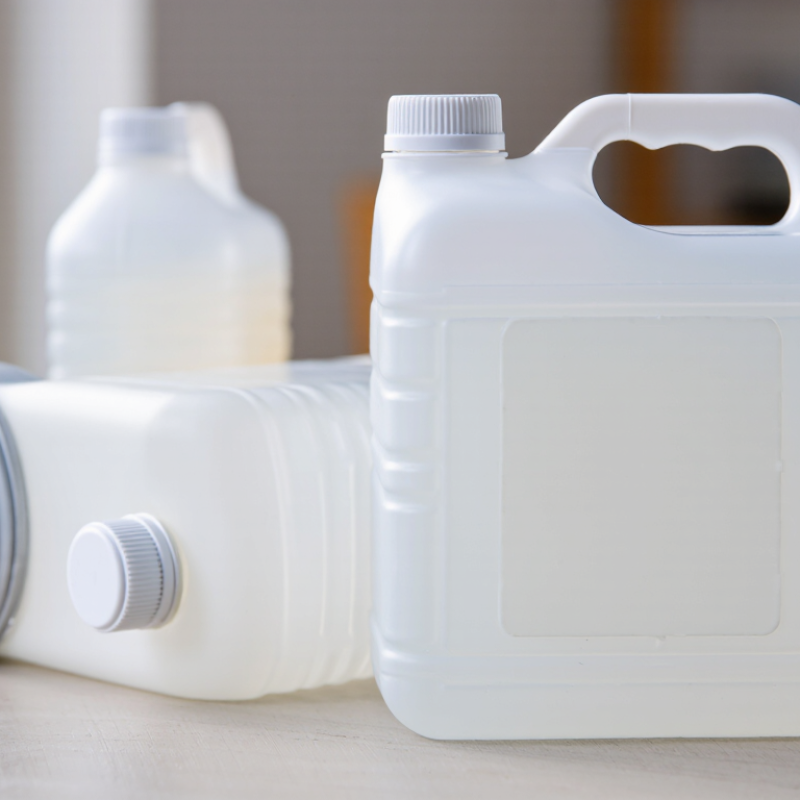
2026 How to Choose the Best Plastic Jerry Can 5 Ltr?

Understanding the 5-Liter Plastic Jerry Can and Its Common Uses

A 5-liter plastic jerry can is a compact container for carrying or storing measured amounts of liquid. Its capacity suits short trips, small gardens, and household tasks where a larger container feels cumbersome. A filled can weighs about five kilograms for water, before adding the container’s weight. That is manageable for many people, but a narrow handle can still feel uncomfortable. Try the grip before choosing one.

Common uses include carrying drinking water on camping trips, topping up garden supplies, or storing clearly identified household liquids. For drinking water, choose a container explicitly made for food contact, and follow its cleaning and storage instructions. A container’s appearance alone cannot confirm suitability. Packaging matters at industry scale: PlasticsEurope’s Plastics – the Fast Facts 2023 reports that packaging represented 39% of European plastics demand in 2022. OECD’s Global Plastics Outlook reports that packaging generated about 40% of global plastic waste in 2019. These figures describe packaging broadly, not five-liter cans specifically. A reusable can may reduce disposable packaging in some routines, but only if it is durable, maintained, and genuinely reused. A small cap leak can undo the convenience.

How to Choose the Best 5-Liter Plastic Jerry Can

A 5-liter can holds the same volume, but its contents have different weights. These approximate figures use representative liquid densities and exclude the can’s own weight. When choosing a can, check that its material and closure are suitable for the liquid, and follow the product instructions and applicable transport rules.

Checking Material, Wall Thickness, and Manufacturing Quality

2026 How to Choose the Best Plastic Jerry Can 5 Ltr?

For a 5 L plastic jerry can, start with the resin specification. High-density polyethylene is widely used for rigid containers, but resin type alone does not guarantee durability. Check that the can’s material suits the intended contents and storage conditions. PlasticsEurope’s Plastics—The Fast Facts 2023 reports that packaging accounted for 39% of European plastics demand in 2022. That scale makes careful material selection and quality checks important.

Wall thickness deserves close attention. Ask for the manufacturer’s nominal thickness and permitted variation, then check several points—not just the broad side panel. Look closely at the base, corners, handle, and neck, where uneven molding or thin spots may appear. A heavier can is not automatically stronger. Small details matter. OECD’s Global Plastics Outlook (2022) estimates that packaging generated 40% of plastic waste in 2019; choosing a container that performs reliably can help avoid premature damage, though weight alone cannot predict service life.

Manufacturing quality shows in consistent dimensions, clean seams, a well-formed cap fit, and repeatable production across batches. Request documented leak and drop-test results for the relevant design, plus inspection records from production lots. Test conditions matter: temperature, fill level, and closure can change results. A sample may look flawless and still hide variation. That is why a written specification and routine sampling are more useful than a visual check alone.

Matching the Can to Its Contents and Storage Requirements

A 5 L plastic jerry can should be matched to its contents, not chosen by shape alone. Check the resin type, cap liner, and supplier’s compatibility guidance for the exact liquid and concentration. HDPE is widely used for rigid packaging, but resistance varies with temperature and contact time. “Plastic-safe” is not specific enough. A small detail matters.

The OECD’s Global Plastics Outlook (2022) reports that packaging accounted for 40% of global plastic waste in 2019. That figure does not measure can performance, but it is a reason to consider durability and reuse where suitable. Inspect the handle, seams, and cap seal, then check whether repeated filling is permitted. A tiny leak can become a messy shelf.

Storage conditions matter as much as the liquid. Confirm the can’s temperature range, and consider sunlight, stacking pressure, and how long it will remain filled. Light-sensitive contents may need an opaque container; warm storage can affect some plastics and seals. For a five-litre fill, account for the liquid’s density, not just its volume. I would not rely on a quick visual check alone; written compatibility data is more dependable.

2026 How to Choose the Best Plastic Jerry Can 5 Ltr? — Matching the Can to Its Contents and Storage Requirements

Contents Suitability and Compatibility Can Features to Check Storage and Handling Requirements
Drinking water Choose a can explicitly declared suitable for potable water. A general-purpose container may not be made or tested for drinking-water contact. Food-contact declaration, cleanable interior, secure cap and a design that can be kept dedicated to water. Wash before first use, keep sealed and out of direct sunlight, and clean regularly. Do not reuse a container that held chemicals or fuel.
Gasoline (petrol) Use only a can specifically designed and approved for gasoline under the applicable local requirements. Ordinary plastic jerry cans may not be suitable. Fuel-compatible material, secure closure and any required approval or certification markings. Check the manufacturer’s stated fuel compatibility. Keep away from heat, sparks and flames; store upright in a well-ventilated location in accordance with local fire and safety rules. Never fill completely—allow for expansion as instructed by the can manufacturer.
Diesel fuel Use a container expressly specified for diesel. Do not assume that a water or general-purpose can is fuel-compatible. Verified diesel compatibility, leak-resistant cap and, where required, the relevant transport or storage approval. Keep sealed, upright and away from ignition sources. Follow the fuel supplier’s safety guidance and local storage limits.
Motor or lubricating oil Many oil products can be stored in compatible HDPE containers, but additives and formulation differences mean compatibility should be confirmed. Manufacturer confirmation for the specific oil, a tight-fitting cap and a container that will not be mistaken for food or drinking water. Store closed and upright, away from excessive heat. Prevent spills and dispose of used oil through an appropriate collection or recycling service.
Household cleaning solution Compatibility varies widely. Some acidic, alkaline or solvent-based products can damage a container or its closure. Check the product label or safety data sheet and obtain confirmation that both the can and cap materials are suitable. Keep in the original labelled container where possible. If decanting is permitted, label the can clearly and keep it away from children, food and incompatible chemicals.
Solvents or concentrated chemicals Do not use a generic 5 L plastic can without product-specific compatibility confirmation. Certain solvents can soften, swell or permeate plastics. Written compatibility information for the exact chemical, concentration, temperature and storage duration; verify closure and seal compatibility too. Follow the safety data sheet and applicable hazardous-material rules. Use the specified packaging where required; do not mix different substances in one can.
General-purpose non-food liquid Suitable only when the liquid is known to be compatible with the can material and closure. Clearly stated nominal capacity, robust handle, secure cap and material identification or product documentation. Label contents and date, store upright, and leave the manufacturer-recommended expansion space. Inspect regularly for cracks, swelling, leaks or a damaged cap.

Selection checklist: Confirm the liquid’s compatibility with the can body, cap and seal; check whether food-contact or regulatory approval is required; and follow the product label, safety data sheet and local storage rules. “5 L” is nominal capacity—use the manufacturer’s fill guidance rather than filling to the brim.

Evaluating Cap, Handle, Pouring, and Leak-Prevention Features

2026 How to Choose the Best Plastic Jerry Can 5 Ltr?

A 5-litre plastic jerry can should feel steady when full, not awkward in one hand. Check the handle opening before buying; gloved fingers should fit without rubbing against sharp edges. A broad, comfortable grip helps when lifting from a shelf or carrying across a garage. Small details matter. The handle should also feel firmly joined to the body, with no visible cracks or thin, stressed areas.

Inspect the cap and neck together. Threads should engage smoothly, while a fitted seal should sit flat rather than twist or pinch. A cap that feels tight is not automatically leakproof. The seal, thread fit, and container condition all matter. For pouring, look for a spout shape that directs liquid cleanly and leaves room for air to enter. Otherwise, flow may surge or glug, making a small pour harder to control.

Leak prevention starts with a careful check. Close the cap evenly, wipe the rim, and inspect for drips after filling; never rely on appearance alone. Store the can upright, away from sharp objects that could scratch or weaken its walls. If it will hold a particular liquid, confirm that the plastic is suitable for that use. I would not assume every can handles every liquid. Even a well-designed cap can disappoint if the seal is worn, so checking it again over time is sensible.

Verifying Safety Standards, Supplier Reliability, and Total Cost

2026 How to Choose the Best Plastic Jerry Can 5 Ltr?

A 5-liter jerry can should suit its contents, storage conditions, and handling routine. Check the supplier’s technical sheet for material type, wall thickness, closure design, and stated compatibility. Ask for current test records and safety documentation relevant to your intended use and sales region. A certificate without a clear scope is not enough. Inspect a sample, too: look for uneven seams, a loose cap, or a handle that flexes under a filled load. Small details matter.

Tips: Ask how production batches are identified and how quality complaints are handled. Request a sample from normal production, not only a hand-picked display unit. Keep written records of specifications and agreed tolerances.

Supplier reliability affects more than delivery dates. Confirm minimum order quantities, lead times, replacement procedures, and whether the supplier can provide consistent documentation with each order. Compare total cost, not just the unit price: include freight, closures, labels, storage, rejected units, and expected service life. A cheaper can may cost more if leaks cause product loss or cleanup. Still, a checklist cannot predict every handling condition; trial a small batch under realistic storage and transport before committing to a larger order. A polished sample is reassuring, but repeatable quality is what counts.