How to Choose the Right Automotive Tools for Your DIY Car Repairs
When it comes to tackling DIY car repairs, having the right automotive tools is essential for both efficiency and safety. The multitude of tasks involved in vehicle maintenance ranges from simple oil changes to more complex brake replacements, which can often seem daunting without the appropriate tools at hand. Understanding the types of automotive tools available and their specific uses is crucial for any aspiring mechanic, whether you're a novice or have some experience under your belt.
Selecting the proper tools not only enhances your ability to perform repairs effectively but also ensures that the job is done correctly, minimizing the risk of damage to your vehicle. It can be overwhelming to navigate the vast array of tool options on the market, making it important to recognize which tools are indispensable for your specific needs. By evaluating factors such as your skill level, the types of repairs you plan to undertake, and your budget, you can make informed decisions that will set you up for success in your DIY automotive endeavors. This guide will help illuminate the path to selecting the right automotive tools, empowering you to gain confidence and proficiency in your car repair projects.
Understanding Essential Automotive Tools for DIY Repairs
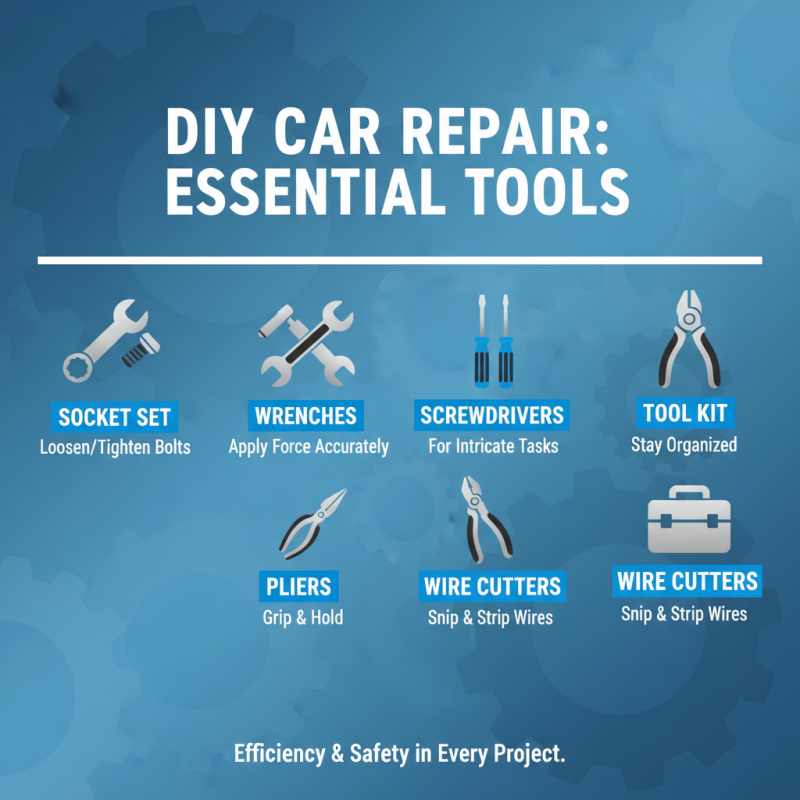
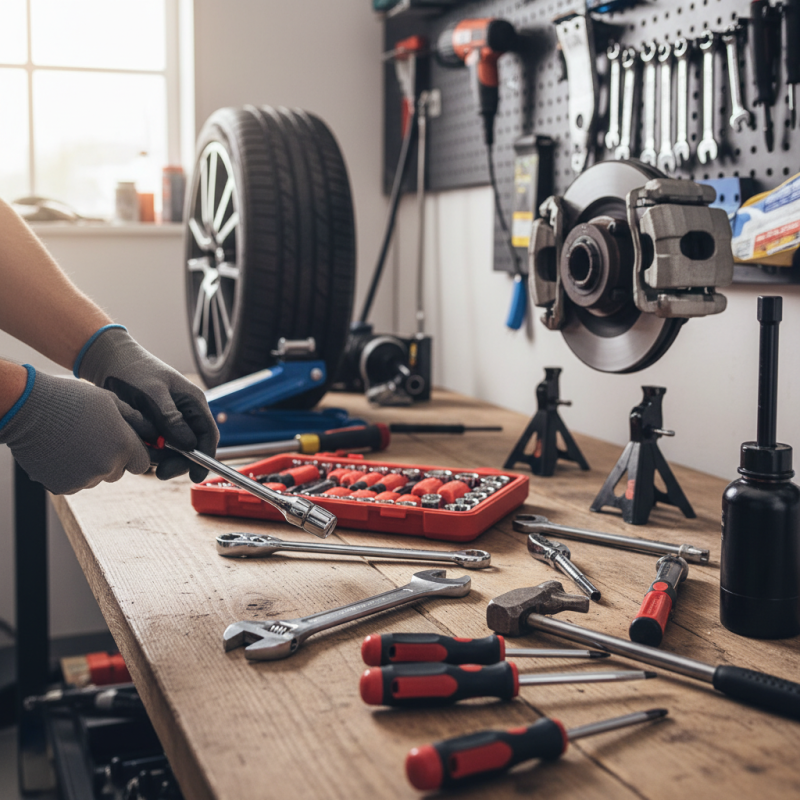
When it comes to DIY car repairs, having the right tools can make all the difference in successfully completing a project. Essential automotive tools encompass a variety of items, each serving a specific purpose to ensure efficient and safe repairs. A sturdy socket set is a must-have for loosening and tightening bolts, while wrenches, including adjustable and torque varieties, help apply the right amount of force without damaging components. Screwdrivers, pliers, and wire cutters are also pivotal for handling intricate tasks, making them fundamental additions to any tool kit.
Tips: Always assess the kind of repairs you plan to undertake. For routine maintenance, a basic tool set may suffice, but for more complex issues, consider investing in specialized tools like a multimeter for electrical diagnostics or a car jack and stands for safe lifting. Additionally, familiarize yourself with safety equipment, such as gloves and goggles, to protect yourself during repairs. Regularly maintaining your tools will also extend their lifespan and functionality.
Investing in quality tools is crucial, but remember that organization matters just as much. Use toolboxes or pegboards to keep your tools neat and accessible, ensuring you can quickly find what you need when you need it. Proper storage also prevents the wear and tear of tools over time, making it easier to manage the necessary equipment for future DIY car repairs.
Identifying Specific Tools for Different Types of Car Repairs
When it comes to DIY car repairs, having the right tools is crucial for efficiency and effectiveness. Different types of car repairs require specific tools, which can often make the difference between a successful fix and a frustrating experience. For instance, basic maintenance tasks such as oil changes or tire rotations typically require a socket set, wrenches, and a jack. These essential tools allow for straightforward access to vital components, ensuring that routine checks and services can be performed safely and efficiently.
On the other hand, more complex repairs—like brake replacements or engine work—demand a broader range of specialized tools. Automotive enthusiasts should consider investing in tools like torque wrenches, brake bleeders, and compression testers to handle these tasks correctly. Each tool serves a distinct purpose and can significantly influence the quality of the repair. Furthermore, understanding the specific needs of each repair will help in curating a personalized toolbox, saving both time and money in the long run. Thus, assessing the types of car repairs you are most likely to undertake will help in making informed decisions about the tools you'll need in your DIY journey.
Evaluating Quality and Durability of Automotive Tools
When selecting automotive tools for DIY car repairs, evaluating their quality and durability is paramount. Research from the Automotive Tool Institute indicates that approximately 30% of tools fail to meet professional standards when subjected to rigorous testing. This statistic underscores the importance of investing in high-quality tools that can withstand heavy use in various conditions. The life expectancy of automotive equipment can significantly impact the cost-effectiveness of DIY projects; tools that corrode easily or break under pressure add to overall expenses and can delay repairs.
Additionally, durability goes hand-in-hand with material selection and design. Tools made from high-grade steel, for instance, can offer enhanced strength and resistance to wear compared to lower-grade alternatives. A study by the Society of Automotive Engineers revealed that durability plays a critical role in the satisfaction of DIY mechanics, with nearly 70% indicating that they prefer tools that provide reliable performance over an extended period. Therefore, when choosing tools, it’s essential to look for features such as corrosion resistance, ergonomic designs, and warranties that reflect the manufacturer's confidence in their product’s longevity. Ultimately, investing time in assessing these factors will lead to more successful and efficient repair experiences.
Budgeting for Your DIY Automotive Tool Collection
When budgeting for your DIY automotive tool collection, it's essential to prioritize your purchases based on the types of repairs you plan to perform. Start with a basic toolkit that includes fundamental tools such as wrenches, screwdrivers, and pliers. These items are often used in a variety of tasks, making them a worthwhile investment. Setting a realistic budget helps prevent overspending and allows you to gradually expand your collection as your skills grow and your project needs change.
Consider shopping during sales or looking for quality used tools to maximize your budget. Online marketplaces and local garage sales can be excellent sources for finding tools that are still in good condition but significantly reduce the cost of starting your collection. Additionally, keep a list of specific tools you need for upcoming projects, which can prevent impulse buying and ensure that your spending aligns with your DIY goals. By carefully planning your purchases and taking advantage of available deals, you can build a comprehensive tool collection without breaking the bank.
How to Choose the Right Automotive Tools for Your DIY Car Repairs - Budgeting for Your DIY Automotive Tool Collection
| Tool Type |
Estimated Cost |
Usage Frequency |
Recommended Brands |
| Socket Set |
$50 - $150 |
Regular |
N/A |
| Wrench Set |
$30 - $100 |
Regular |
N/A |
| Screwdriver Set |
$20 - $60 |
Frequent |
N/A |
| Pliers Set |
$15 - $50 |
Occasional |
N/A |
| Jack |
$50 - $200 |
Occasional |
N/A |
| OBD-II Scanner |
$50 - $300 |
Occasional |
N/A |
Maintaining and Organizing Your Automotive Tools Effectively
Maintaining and organizing your automotive tools effectively is crucial for any DIY car repair enthusiast. A well-structured workspace can save time and enhance efficiency, allowing for smoother repairs and maintenance. Start by categorizing your tools based on their type and purpose. Grouping wrenches, sockets, and screwdrivers together will help you quickly locate the tools you need for specific tasks. Using tool chests or pegboards can optimize your space, while clearly labeled bins can keep smaller items from getting lost.
Additionally, regular maintenance of your tools is equally important. Keeping tools clean and inspecting them for any wear or damage is essential for both safety and effectiveness. A routine cleaning schedule, where you wipe down tools after use and store them properly, will prolong their lifespan and ensure they are always ready for your next project. Lastly, consider implementing an inventory system to keep track of your tools and any missing items. This proactive approach will not only help you stay organized but also make sure you have everything you need for your next DIY car repair endeavor.