Why Choose a Cup Forming Machine for Your Manufacturing Needs?
In today's competitive manufacturing landscape, the right equipment can set you apart. The cup forming machine has emerged as a vital tool for businesses aiming to enhance efficiency. This machine streamlines the production of various cup types, catering to diverse industries.
Investing in a cup forming machine can lead to increased productivity and reduced operational costs. Companies can produce high-quality cups consistently, meeting customer demands swiftly. Yet, it’s not just about speed; the machine’s precision ensures that each cup meets industry standards.
However, relying solely on technology can be a double-edged sword. It's essential to understand the machine's limitations and maintenance needs. While modern machines offer remarkable benefits, human oversight remains crucial. Balancing automation with expertise can drive sustainable growth in manufacturing.
Understanding the Basics of Cup Forming Machines in Manufacturing
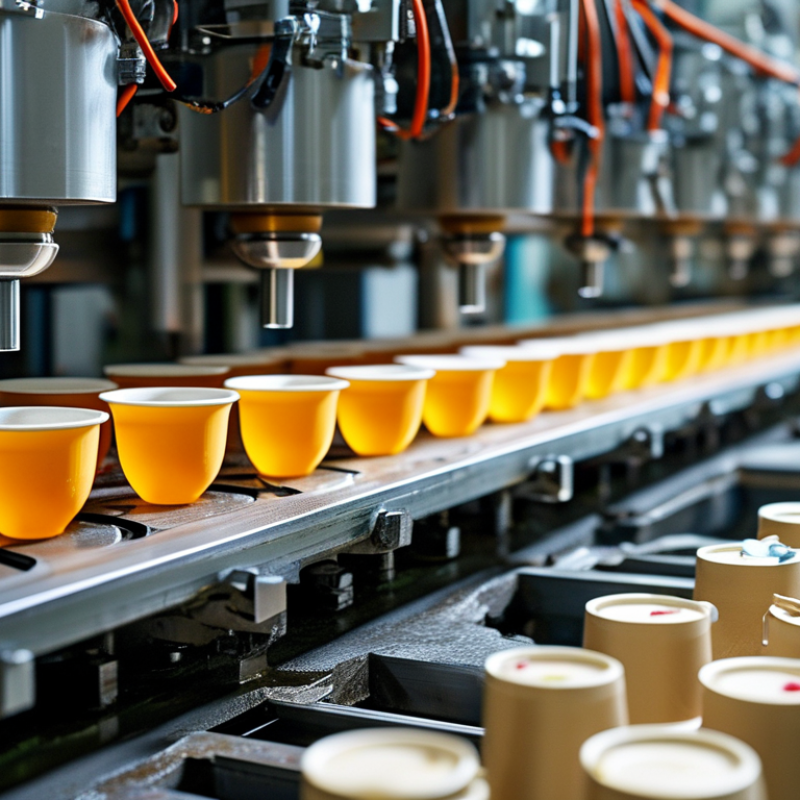
Cup forming machines play a crucial role in the manufacturing process. These machines take raw materials and transform them into usable products. Understanding how they work can significantly enhance production efficiency. They are designed to create various types of cups, making them versatile tools for many industries.
The working principle is relatively straightforward. A sheet of material is fed into the machine. It is then heated and shaped into cups using specialized molds. This process can be surprisingly complex. Variations in temperature, pressure, and material can lead to different outcomes. Mistakes during these stages can result in product defects or material waste.
Manufacturers often face challenges when integrating new technologies. It’s important to ensure staff are properly trained. Investing time in understanding the machine’s capabilities can lead to better performance. Regular maintenance is also essential to avoid downtime. Finding the right balance between efficiency and quality remains a common struggle for many.
Production Efficiency of Cup Forming Machines
This chart illustrates the production output of different cup forming machines measured in units produced per hour. Selecting the right machine can significantly impact manufacturing efficiency.
Key Advantages of Using Cup Forming Machines for Production Efficiency
In the fast-paced world of manufacturing, efficiency is key. Cup forming machines are increasingly popular for their ability to streamline production processes. According to a report by the Machinery Institute, businesses that utilize these machines see a 30% increase in output compared to traditional methods. This efficiency translates into reduced labor costs and shorter lead times.
One of the standout advantages is precision. Cup forming machines can produce uniform products at a high rate. When manufacturers aim for consistency, these machines deliver with minimal error rates. A study from the Manufacturing Technology Association found that using cup forming equipment reduces wastage by up to 25%. However, reliance on technology can sometimes lead to overconfidence in production processes. It's crucial to regularly assess machine performance to ensure optimal results.
Moreover, adopting cup forming machines allows for flexibility in design. Producers can quickly switch between different cup sizes or shapes, adapting to market demands. While this adaptability is a strength, it may require staff training and adjustment time. Balancing machine capabilities with operator expertise is essential for maximum productivity. Many manufacturers overlook this aspect, leading to potential inefficiencies.
Exploring Different Types of Cup Forming Machines Available in the Market
Cup forming machines are essential in various manufacturing sectors. They offer different types tailored for specific needs. For example, there are hydraulic, pneumatic, and mechanical cup forming machines. Each type has distinct features and advantages suited for diverse applications. According to a recent industry report, the global cup forming machine market is expected to grow at a CAGR of 5.2% by 2026. This growth is driven by the rising demand for disposable containers in food and beverage industries.
Hydraulic cup forming machines use liquid pressure for shaping cups. They are known for their efficiency and are ideal for high-volume production. On the other hand, pneumatic machines utilize air pressure, providing faster cycle times. These machines can handle various materials, including paper and plastic. In contrast, mechanical machines rely on mechanical force and are often more straightforward in design. They may struggle with material versatility but can be more economical for specific tasks.
Manufacturers must evaluate their requirements carefully. Choosing the right machine requires consideration of production volume, material type, and cost constraints. While advanced machines offer precision, they often come with higher maintenance costs. Understanding market trends can help in making informed decisions. Yet, the challenge remains in balancing cost-effectiveness with quality and output demands.
Factors to Consider When Choosing a Cup Forming Machine for Your Needs
When considering a cup forming machine, several key factors come into play. First, assess your production volume. A machine suited for small batches differs significantly from one designed for mass production. It's crucial to match the machine's speed with your manufacturing needs. Equally important is the type of material used. Certain machines work better with specific materials, which can influence cost and efficiency.
Another consideration is the machine's footprint. How much space do you have? A compact machine may fit small workshops well, yet larger operations might benefit from more advanced, bigger models. Maintenance requirements also matter. Some machines require more frequent service, impacting downtime and overall productivity. Think about your team's technical skills too. A complex machine may need specialized knowledge that your staff may not possess.
Finally, energy efficiency is vital. Machines that consume less power can lead to significant long-term savings. However, optimizing energy use can require an upfront investment. Always ponder the total cost of ownership rather than just the initial price. Balancing these elements can ensure that your choice serves your production well without overspending or compromising quality.
Maintenance and Troubleshooting Tips for Cup Forming Machines
When operating cup forming machines, maintenance is crucial. Regular checks can prevent downtime. Research shows that 30% of production delays come from equipment malfunctions. Simple tasks like lubricating moving parts can reduce wear and tear. Always consult the machine manual for specific maintenance schedules. Many operators overlook basic tasks, leading to bigger issues over time.
Troubleshooting common problems can save both time and resources. For instance, if the machine jams frequently, check for debris in the feed system. Loose components may also be a cause. According to industry reports, over 40% of manufacturers report efficiency losses due to avoidable errors. Conducting routine inspections can mitigate risks. Track performance metrics to identify patterns. This can help pinpoint recurring issues, allowing for targeted interventions.
Investing in proper training for operators can enhance machine longevity. Reports indicate that well-trained staff reduce error rates significantly. Encourage a culture of accountability. Operators should report any abnormalities immediately. This proactive approach fosters a more reliable production environment. In a fast-paced manufacturing sector, staying on top of maintenance ensures consistent quality and efficiency.
Why Choose a Cup Forming Machine for Your Manufacturing Needs? - Maintenance and Troubleshooting Tips for Cup Forming Machines
| Feature | Importance | Maintenance Tip | Troubleshooting Tip |
| Speed Adjustment | Enhances productivity by controlling output rate | Regularly check and calibrate speed settings | If inconsistent speeds occur, inspect belts and motors |
| Material Compatibility | Ensures optimal shaping and durability of cups | Use specified materials recommended by the manufacturer | If cups are misshapen, verify material specifications |
| Die Maintenance | Critical for accurate shape and size of cups | Clean dies regularly to prevent residue buildup | If defects persist, inspect dies for wear or damage |
| Safety Features | Protects operators and ensures compliance | Ensure safety guards are in place and operational | In the event of an alarm, check emergency stops and sensors |
| Energy Efficiency | Reduces operational costs and environmental impact | Regularly inspect motors for efficiency | If energy consumption spikes, check for mechanical issues |