
2026 Best Solinco String Machine for Buyers?

Choosing a Solinco String Machine in 2026 starts with a practical question: what kind of stringing work will it handle? A home player restringing one racquet occasionally needs different features from a busy shop serving several customers each day. This guide looks beyond the product name to the details buyers can verify, including the tension range, mounting system, clamp design, and available support.

Small details matter. A secure six-point mount can help hold a frame steady, while smooth clamps make repeated adjustments less frustrating. Crank machines may suit buyers who value straightforward operation; electronic models can offer convenient tension control, but usually cost more. Check the machine’s footprint, too. A heavy unit may be stable, yet awkward on a crowded workbench. No feature is automatically worth the extra price.

Product names and seller listings can sometimes leave room for confusion. Before purchasing, confirm the exact model, what comes in the box, warranty terms, and whether replacement parts are available. Compare specifications from reliable listings rather than relying on a headline or a single review. That distinction is easy to miss. A careful comparison should also consider your experience level, budget, and how often you string. This overview will help buyers weigh those factors and identify which Solinco String Machine, if available under that name, best fits their needs. Some trade-offs may remain; the right choice is not always the most expensive one.
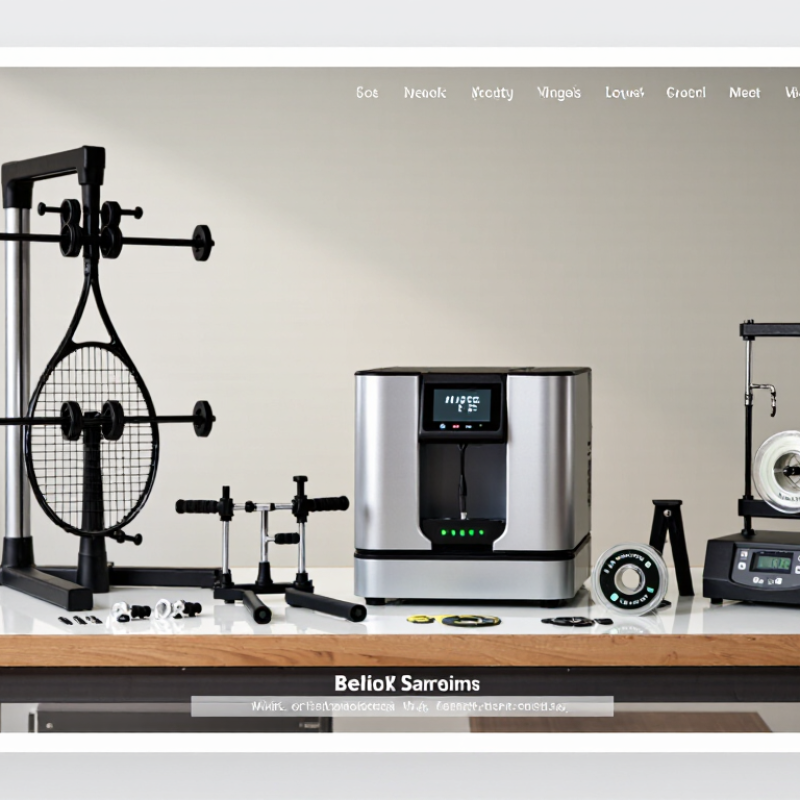
2026 Best Solinco String Machine for Buyers?

Understanding Stringing Machines for Solinco Racquet Setups

Choosing a stringing machine for a particular racquet setup starts with repeatability, not a flashy feature list. A calibrated tension head, secure mounting, and clamps that hold without crushing the string matter during every pull. Constant-pull systems can help maintain tension as strings settle, while a lockout machine relies more on the operator’s timing. Neither removes the need to check calibration. Small errors add up.

The USTA’s 2024 Tennis Participation Report counted 25.7 million U.S. players, a sign of broad demand for reliable racquet service. That figure does not tell buyers which machine to choose, but it gives useful context: consistent setups matter to many players. For a Solinco-style racquet setup, compare the machine’s tension range with the racquet maker’s recommended range, then consider how often you string and how much bench space you have. A six-point mounting system can steady the frame; careful mounting still matters. I would also budget for a tension calibrator and a starting clamp. Easy to overlook. One honest caveat: published machine specifications cannot show how smoothly a clamp releases under real use, so inspect one in person when possible.

Comparing Manual, Electronic, and Drop-Weight Machine Types

Manual, electronic, and drop-weight stringing machines suit different workloads. The USTA’s 2024 Tennis Participation Report recorded 25.7 million U.S. players in 2023. That growing audience may support more home stringing, but participation figures do not measure machine sales or demand directly.

A manual crank machine suits occasional use and tighter budgets. You pull the lever until the tension mechanism locks, then clamp the string. It is fairly quick, though clamps need careful adjustment. Electronic models set tension digitally and often pull more consistently across repeated jobs. That convenience costs more and adds electronics that may need calibration or service. Small differences matter.

Drop-weight machines use a weighted arm to create tension. They are often slower, but their simple mechanism can appeal to patient beginners and stringers who value repeatability over speed. Keep the arm level during each pull; a tilted arm can change the applied tension. The ITF’s equipment standards focus on racquet and string performance, not a single preferred machine type, so there is no official “best” category. I would compare clamp stability, mounting security, and available workspace before paying extra for features. A cheap machine can still frustrate you. I learned that the hard way.

Key Features to Evaluate Before Buying in 2026

A stringing machine should make tension repeatable, not merely look sturdy on a workbench. Check whether its tension head pulls smoothly and holds the selected setting through several pulls. Fixed clamps can improve consistency, while swivel clamps may be easier to position around the frame. Test them with a racket if possible. Slippage is a warning sign. A manual crank costs less and needs no power, but electronic models can reduce repetitive effort. Compare the machine’s tension range with the strings and rackets you actually use.

Consider setup time, too. A stable base helps prevent movement, and adjustable supports should hold the frame without pressing hard on it. Turn the knobs and inspect the clamp surfaces; rough movement can slow a busy session. For occasional home use, a compact model may be sensible. In a small room, measure the bench first. Still, it is easy to overvalue extra features and overlook awkward access to the frame.

Tips: Ask for a live demonstration. Watch one full pull, then check the clamps for slipping. Confirm that replacement parts and clear instructions are available. Keep a little budget for tools; they matter more than expected. Don’t rush the choice.

2026 Best Tennis Stringing Machines for Buyers? — Key Features to Evaluate Before Buying in 2026

Feature What to Evaluate Why It Matters Practical Buyer Check
Tensioning system Compare a drop-weight, lockout, and electronic constant-pull system. Check the stated tension range and available units. These systems apply tension differently. Constant-pull machines continue adjusting tension as the string stretches; lockout systems stop pulling after reaching the set tension. Choose a system suited to your expected workload, budget, and preferred workflow. Confirm the machine supports the tension range you use.
Calibration Check how the tension head is calibrated and whether the instructions explain how to verify its readings. Regular verification helps identify tension-measurement drift and supports repeatable setups. Ask how to check calibration and whether the maker provides a procedure or service support.
Racquet mounting Inspect the support points, adjustment range, and compatibility with the racquet shapes and sizes you string. A secure, well-adjusted mount helps hold the frame in position during stringing. Confirm the supports can be positioned without obstructing grommet access or placing unnecessary pressure on the frame.
Clamps Evaluate clamp type, adjustment, smooth operation, and the range of string gauges the clamps can grip. Clamps hold tensioned string in place. Poorly adjusted clamps may slip or mark string. Check that the clamps can be cleaned and adjusted, and test their grip on the string types you expect to use.
Turntable and base Look at turntable movement, brake operation, base stability, and available working space. A stable, easy-to-position racquet can make the stringing process more controlled and comfortable. If possible, operate the turntable and brake before buying; check that the machine fits your bench or stand.
String gripper Check that the gripper holds different string materials securely and releases without snagging. String surfaces and stiffness vary, so a suitable gripper helps avoid slippage and unnecessary handling damage. Review the cleaning and maintenance instructions, especially if you plan to string both natural and synthetic strings.
Workflow and ease of use Consider control placement, display readability, access to the racquet, and the number of steps needed for each pull. These details affect comfort and efficiency, particularly when stringing frequently. Watch a full stringing demonstration or try the machine in person rather than judging only by photographs.
Power requirements For an electronic machine, verify the required voltage, plug type, and whether power is needed for all functions. Power compatibility is essential for safe installation and reliable operation. Match the machine’s electrical specifications to the installation location before purchase.
Portability and installation Check machine weight, dimensions, handle or carrying options, and whether a separate stand or bench is required. These factors determine how easily the machine can be moved and where it can be used. Measure your workspace and confirm what is included, such as a stand, tools, or mounting hardware.
Maintenance and parts Review cleaning needs, adjustment procedures, replacement-part availability, and service options. Routine care helps keep moving parts and gripping surfaces functioning as intended. Check the manual and parts policy before buying; clarify which maintenance tasks can be performed by the owner.
Included tools and accessories Check whether the package includes essential stringing tools and whether any listed accessories are optional. Missing tools may add cost or delay getting started. Compare the package contents with your needs, including cutters, awls, starting aids, and a suitable mounting surface.
Warranty and support Read the warranty term, coverage exclusions, service process, and support availability in your location. Warranty terms and access to service can affect ownership costs and downtime. Review the written warranty and confirm how repairs, replacement parts, and technical questions are handled.
Total cost of ownership Compare the purchase price with likely costs for a stand, tools, maintenance, calibration, and replacement parts. The initial price may not include everything needed for a complete working setup. Build a complete setup budget and compare machines with the same required accessories and support level.

Buying note: Specifications and included accessories vary by model. Verify the current product documentation and warranty terms before purchasing.

Matching Machine Capacity to Skill Level and Stringing Needs

Choosing a stringing machine starts with workload, not the biggest feature list. The USTA’s 2024 tennis participation report counted 25.7 million U.S. players in 2023, but participation does not directly measure demand for racquet services. For a player stringing a few personal racquets, a basic drop-weight machine can be sufficient. It is slower, yet teaches consistent mounting, pulling, and knotting. Keep a notebook: record tension, string type, and the date. Small details matter.

For club technicians or frequent stringers, a sturdier turntable, reliable clamps, and a tension system that is easy to verify can reduce repetitive adjustments. Choose capacity by weekly racquet volume and available time, not by ambition. A machine that handles one racquet at a time may suit occasional work; busy schedules benefit from quicker workflows and durable parts. ITF equipment rules set racquet specifications, not machine-capacity standards, so buyers should compare manufacturer specifications carefully. I have seen buyers focus on electronic controls and overlook clamp maintenance. That was a mistake. Budget for calibration checks, tools, and practice time, too. A fast machine cannot replace careful technique.

Purchase, Setup, and Maintenance Considerations

A stringing machine is a precision tool, not just a way to pull tension. The ITF’s 2024 Global Tennis Report estimates that 106 million people played tennis worldwide, about 25% more than in 2019. That wider player base makes dependable restringing useful for clubs and home stringers alike. When comparing machines, check clamp stability, mounting support, tension range, and access to replacement parts. Electronic models offer convenient adjustments; crank and drop-weight systems can be simpler to service. Try the clamps before buying if possible. A loose clamp can spoil an otherwise careful job.

Set the machine on a rigid, level bench with enough room to turn the racquet and guide string through the frame. Calibrate the tension head with a suitable gauge before regular use, then recheck it after moving the machine or noticing inconsistent results. Follow the racquet maker’s recommended tension range, and record the string, tension, and date for each job. Keep a log. It helps identify patterns, though my own notes can be incomplete when the work gets busy.

After stringing, wipe dust and residue from the clamps, rails, and gripper with a soft cloth. Inspect mounting supports and fasteners for movement, and check clamps for slipping before each session. Keep tools dry and store them away from direct heat. Small details matter. Calibration intervals depend on use and the machine’s instructions, so a fixed schedule may not suit every stringer. Don’t ignore a problem just because the machine still pulls tension.

2026 Stringing Machine Buyer Guide: Purchase, Setup & Maintenance

Indicative purchase-price ranges for common tennis stringing machine types (USD). Actual prices vary by features, condition, and region.

Buying tip: Allow time to secure and level the machine, then check tension calibration with a suitable calibrator. Keep clamps and rails clean, inspect the gripper regularly, and follow the machine maker’s maintenance schedule.