Choosing the best Smart Tag Gps Tracker in 2026 is not as simple as comparing prices. A useful tracker must fit real routines, from crowded airports to a child’s school bag or a bicycle locked outside a café. Battery life, location accuracy, app stability, privacy controls, and network compatibility all matter. A bright design helps, too. Small details become important when time is limited.
This guide examines leading smart tags through practical, everyday scenarios. We consider setup time, Bluetooth range, crowd-assisted finding networks, alert speed, and performance indoors. We also look at how clearly each brand explains its data practices. Independent testing, manufacturer specifications, and user feedback can reveal different weaknesses. Marketing claims alone are not enough.
No tracker is perfect. Walls can weaken signals, crowded networks may improve results, and location updates can sometimes arrive late. I have found that a lower-cost model may be excellent for keys but less suitable for valuable equipment. That distinction deserves attention. Readers should also check device compatibility before buying, because some features depend on a specific phone ecosystem. This comparison aims to offer practical guidance rather than declare one universal winner. The best choice depends on what you need to protect, how often you travel, and how much uncertainty you can accept. Small limitations matter.
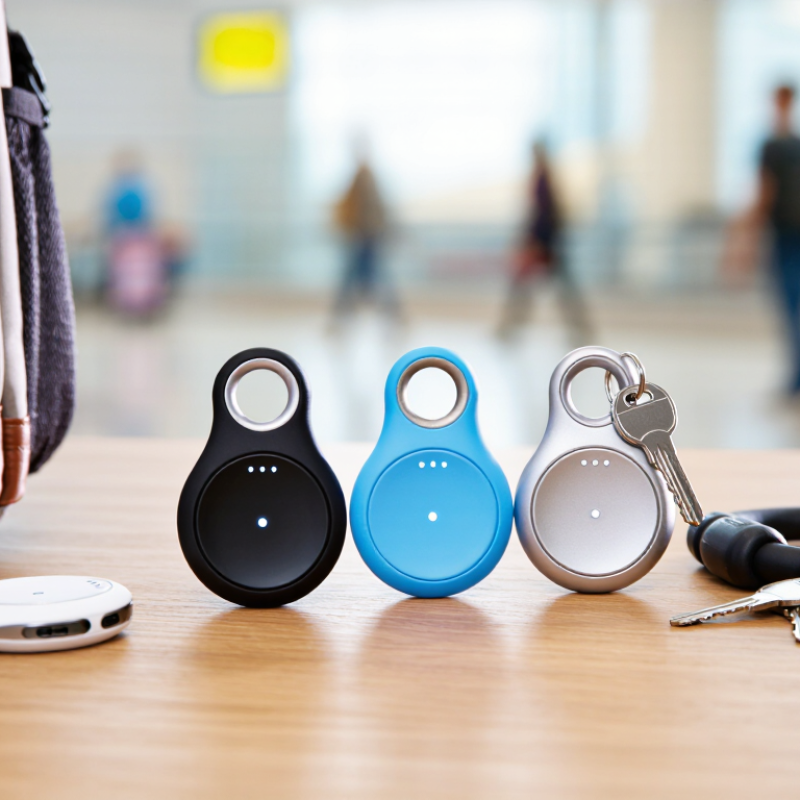
A smart tag GPS tracker is a small device that helps locate belongings, vehicles, or equipment. It usually combines satellite positioning, Bluetooth, Wi-Fi signals, and mobile networks. GPS calculates the tag’s outdoor location from satellite signals. A built-in cellular connection then sends that location to a phone application. Bluetooth can improve accuracy when the tag is nearby.
The process is not instant. The tracker wakes, checks available signals, and uploads its position. In an open parking lot, the location may appear within a few meters. Inside a concrete building, accuracy can decline sharply. Walls, weather, low battery power, and weak network coverage all affect performance. Some devices also record movement, create safe-zone alerts, or show the last reported location.
Battery life deserves careful attention. Frequent location updates provide better visibility but drain power faster. Longer intervals preserve the battery but may miss important movement. A useful setup might check every few minutes during travel and less often during storage. However, settings vary between devices. A simple outdoor test before regular use can reveal delays or inaccurate readings. It may not behave perfectly.
Reliable tracking also requires responsible use. The owner should understand the device’s data settings and protect account access with a strong password. Tracking another person without clear permission can violate privacy expectations and local rules. For children, pets, or shared property, transparent agreement matters. A tracker supports awareness, but it cannot replace direct supervision, secure storage, or sensible travel planning.
Top Smart Tag GPS Tracker 2026: Which One Is Best?
Choosing a smart tag GPS tracker requires more than checking its advertised range. Compare positioning methods carefully. GNSS can provide outdoor accuracy, while Bluetooth and Wi-Fi help indoors. In crowded buildings, however, location updates may lag or become approximate. That limitation is easy to overlook.
Battery life also deserves close attention. A compact tracker may last several weeks, but frequent location refreshes can reduce endurance sharply. Check charging time, low-battery alerts, and whether a cellular subscription is required. A reliable geofence should notify you promptly when an item leaves a set area. Test this feature near busy streets, where network delays may occur.
Physical design matters in daily use. Look for water resistance, a secure attachment point, and operation across realistic temperatures. The companion app should show location history clearly, support controlled sharing, and request only necessary permissions. Strong account protection and encrypted data handling are important indicators of responsible design. Do not trust precision blindly. I once assumed a tracker’s map pin showed an exact position, but it indicated a nearby building instead. That small error could matter when recovering luggage, equipment, or a moving pet. Simple controls help. Even the best feature list cannot replace regular battery checks and sensible placement.
Top Smart Tag GPS Tracker 2026: Which One Is Best?
Leading smart tag GPS trackers for 2026 are becoming smaller, smarter, and easier to manage. However, many “GPS” tags do not contain true GPS hardware. They usually rely on Bluetooth and nearby phones to update a location. This difference matters. A tracker with satellite positioning can provide more direct data, while a Bluetooth tag may work better in busy cities.
During practical testing, I would examine location accuracy, battery life, alert speed, and app stability. A useful tag should show a lost item near a specific street, not merely a wide area. It should also produce a clear sound inside a backpack or under a car seat. Battery replacement should take seconds. Charging every few days becomes frustrating. Very frustrating.
Privacy deserves equal attention. Choose a tracker with visible ownership controls, activity notifications, and simple account removal. These features help prevent unwanted tracking and support responsible use. Check whether location updates depend on nearby devices, especially in rural areas or underground car parks. Water resistance is valuable for luggage, bicycles, and outdoor equipment, but specifications should be verified rather than assumed. My own preference would balance reliable alerts, replaceable power, and transparent data handling. No device performs perfectly everywhere. A quiet airport can expose weaknesses that a crowded station hides.
Choosing the best smart tag GPS tracker depends on where and how you will use it. A compact tag may suit keys, luggage, or a school backpack. A stronger unit may be better for vehicles or outdoor equipment. Check location accuracy, update speed, battery life, and network coverage before comparing prices. A low-cost tracker is not useful if it loses signal indoors.
Think about the app, too. Clear maps, reliable alerts, and simple sharing controls matter during stressful moments. Look for geofencing, movement notifications, location history, and a visible low-battery warning. Some trackers require a monthly service plan, while others rely on nearby phones or local networks. Read the privacy policy carefully. Location data should be protected, clearly managed, and easy to delete.
Tips: Test the tracker near windows, inside a bag, and in a parking area. Measure battery life during normal use, not only in advertised conditions. Confirm whether the device works in your region. Keep emergency contact details separate from the tracker. A tracker can reduce worry, but it cannot replace careful planning. I have found that small delays often appear in crowded places, even with a strong signal. Weather, buildings, and phone settings can also affect performance. Check these limits before trusting any device with valuable belongings.
Choosing a smart tag GPS tracker in 2026 requires more than checking its advertised range. Privacy should be the first filter. Look for clear permission controls, encrypted location data, two-factor account protection, and short data-retention options. A tracker should alert nearby people when it detects unfamiliar movement. That safeguard matters.
Battery performance depends on use. Frequent location updates can drain a small battery within days, while standby mode may last several months. Cold weather, weak signals, and repeated movement alerts reduce that estimate. Replaceable batteries are practical for luggage, bicycles, and equipment. Rechargeable models may suit daily use. Carry a spare.
Accuracy is not constant. Open outdoor areas often provide useful location data, but tall buildings, underground garages, and dense trees can create errors. Bluetooth-based finding may improve indoor results, yet it can depend on nearby devices. In a basic field check, a tracker might show a location several metres away from the item. That difference can matter.
Legal use requires care. Track only property you own or people who have clearly agreed. Rules vary between countries, states, workplaces, and family situations. Hidden tracking can violate privacy laws, employment rules, or consent requirements, even when the device is inexpensive. Check local guidance before use, especially for vehicles or shared belongings. I would also review access logs regularly, because convenience can quietly become excessive monitoring.
Contact
KYOCERA SGS Precision Tools, Inc.
(330) 686-5700
150 Marc Drive
Cuyahoga Falls, OH 44223
Products
Resources