What Are the Best Precision Cutting Tools in China?

Choosing the best precision cutting tools in China is not simply a matter of comparing prices or catalog specifications. The right tool must match the workpiece, machine, cutting conditions, and required finish. A carbide end mill that performs well in aluminum may disappoint in hardened steel. Small details matter: edge preparation, coating consistency, tool runout, and dependable batch quality. The difference is measurable.

China’s manufacturing scale makes this question especially relevant. World Bank World Development Indicators report China’s manufacturing value added at roughly US$4.7 trillion in 2023, underscoring the breadth of its industrial base. Grand View Research estimates the global cutting tools market reached about US$27.8 billion in 2023; that figure covers cutting tools broadly, not precision tools alone. These reports offer useful context, but they cannot identify the best supplier for every application. Rankings can mislead.

A practical comparison should look beyond brand claims. Buyers should assess dimensional tolerances, tool life under stated conditions, surface finish, technical support, and verified quality documentation. For CNC machining, ask for test results using the same material and cutting parameters planned for production. A polished product page is not evidence of repeatable performance. Nor is a low unit price proof of lower total cost. This guide examines leading precision cutting tools available from Chinese manufacturers and suppliers, while noting where specifications, independent testing, or application details remain incomplete. That caution matters; even capable tools can fail when selection ignores the actual machining task.
What Are the Best Precision Cutting Tools in China?

Precision Cutting Tools: Definition and Key Functions

Precision cutting tools remove material with controlled geometry, producing edges, slots, holes, or finished surfaces to specified dimensions. Common examples include milling cutters, drills, turning inserts, and reamers. Their precision comes from more than a sharp edge: tool geometry, material, coating, machine stability, and setup all affect the result. Small changes matter.

In a workshop, a machinist may select a carbide end mill for a hard workpiece, then adjust speed and feed to limit heat and vibration. A drill’s point angle helps guide entry, while its flutes carry chips away from the hole. These functions support repeatable machining across China’s automotive, electronics, and equipment sectors, where parts often require tight tolerances. But the tool alone cannot guarantee accuracy. Poor clamping or a worn spindle can spoil an otherwise clean cut. Even experienced operators sometimes need a test pass. That is not wasted effort; it reveals chatter, burrs, or heat before a full run. Precision is a process, not a label.
Main Types of Precision Cutting Tools Made in China

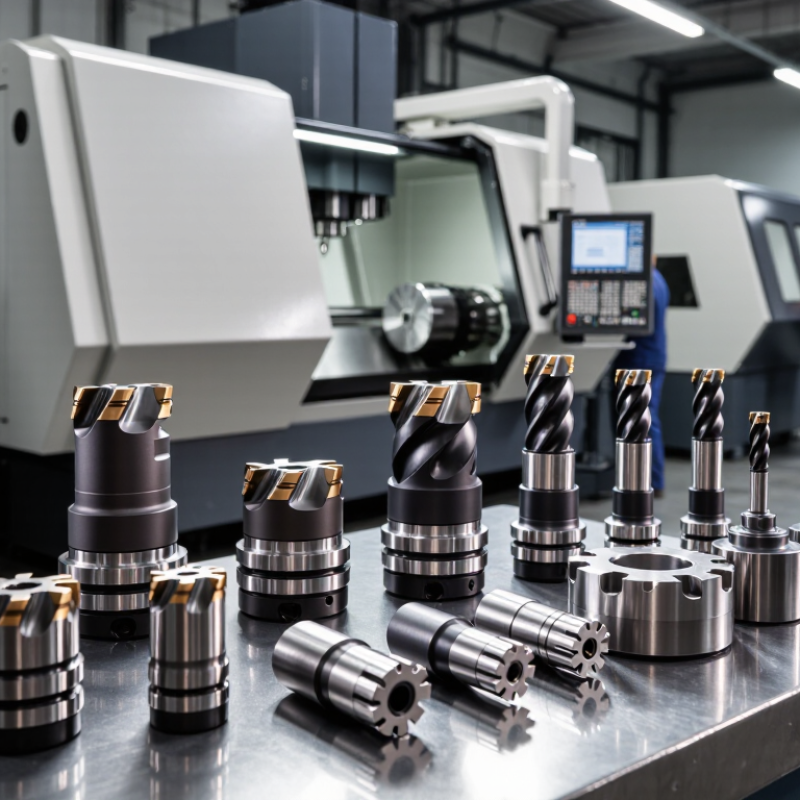
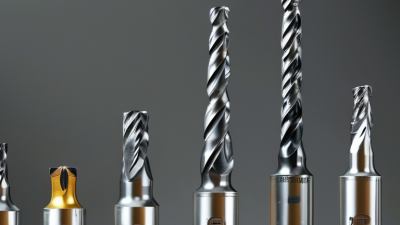
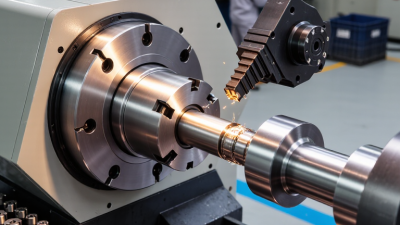
Precision cutting tools made in China include solid-carbide end mills, indexable inserts, drills, reamers, and precision saw blades. Each type suits different materials and cutting conditions. End mills machine slots, pockets, and curved surfaces; their flute count and geometry affect chip removal and finish. Carbide drills handle many production tasks, while reamers refine an existing hole to a closer size and smoother surface. For turning and milling, replaceable inserts offer practical edge changes without replacing the entire tool. Small details matter. A coating may help reduce wear, but it cannot compensate for an unsuitable cutting angle or poor setup.

Some Chinese manufacturers also produce tools for harder-to-machine materials, including PCD cutters for non-ferrous metals and composites. Selection should start with the workpiece, machine rigidity, spindle speed, coolant, and required tolerance. Check dimensions, runout, edge consistency, and test-cut results rather than relying on catalog descriptions alone. Two similar-looking tools may perform differently. That is not always obvious until the first cut. Tool-life claims also depend on feed, speed, and operator practice, so compare results under consistent conditions. A modest trial can reveal more than a broad specification sheet, though trial data still needs careful interpretation.

What Are the Best Precision Cutting Tools in China? - Main Types of Precision Cutting Tools Made in China

“Best” depends on the workpiece material, machining operation, required finish, and machine setup. The typical applications and selection notes below are general guidance; actual accuracy and tool life depend on the complete machining system.

Tool Type Common Construction Typical Applications Suitable Workpiece Materials Key Selection Considerations
Solid carbide end mills Ground carbide flutes; available with different flute counts, geometries, and coatings Slotting, profiling, pocketing, and finishing on CNC milling machines Steels, stainless steels, cast iron, aluminium alloys, and selected hardened materials Match the geometry and coating to the material; check tool overhang, holder runout, and machine rigidity.
Precision drills High-speed steel or solid carbide, with straight or helical flutes Producing holes before tapping, reaming, or assembly Metal alloys, plastics, and other materials suited to the drill geometry Choose the point geometry and coolant arrangement for the material, hole depth, and chip-evacuation needs.
Reamers Fluted high-speed steel or carbide tools; available in machine and hand designs Finishing a pre-drilled hole to improve its size, roundness, and surface finish Steels, cast iron, non-ferrous metals, and selected engineering materials A correctly sized pre-hole and stable alignment are essential; a reamer is intended for finishing, not heavy stock removal.
Thread taps High-speed steel or carbide, with cutting or forming designs Internal thread production in through holes and blind holes Steels, stainless steels, aluminium alloys, and other tap-compatible materials Select the thread standard, tap style, chamfer, and lubrication for the hole type and workpiece material.
Indexable milling cutters Reusable cutter bodies fitted with replaceable carbide inserts Face milling, shoulder milling, and higher-volume material removal Steels, cast iron, stainless steels, and non-ferrous alloys, depending on insert grade Consider insert grade and edge geometry alongside cutter diameter, spindle power, and the required surface finish.
Indexable turning tools Toolholders fitted with replaceable carbide or other application-specific inserts External and internal turning, facing, grooving, and profiling Steels, cast iron, stainless steels, and non-ferrous metals Choose the insert shape, nose radius, grade, and chipbreaker for the operation and workpiece material.
PCD cutting tools Polycrystalline diamond cutting edges, often brazed or integrated into a tool body High-finish machining and production cutting of abrasive non-ferrous materials Aluminium alloys, copper alloys, graphite, and fibre-reinforced composites Often suited to abrasive non-ferrous materials; generally not selected for machining ferrous metals at elevated cutting temperatures.
CBN cutting tools Cubic boron nitride cutting edges, commonly supplied as inserts Hard turning and finishing of selected hardened workpieces Hardened steels and certain cast irons, subject to grade and cutting conditions Use a suitable CBN grade and a rigid setup; application limits depend on workpiece hardness and machining conditions.

Materials and Technologies That Shape Tool Performance

What Are the Best Precision Cutting Tools in China?

Materials and technologies determine how a precision cutting tool behaves under pressure. In Chinese machining workshops, cemented carbide remains a practical choice for steel, aluminum, and general production. Its tungsten carbide base resists wear while maintaining a sharp edge. Polycrystalline diamond performs better on abrasive aluminum alloys, graphite, and composite materials. Cubic boron nitride suits hardened steel, especially when grinding would slow production.

The edge geometry matters as much as the material. A small nose radius can reduce cutting forces, but it may weaken the tip. Larger radii improve stability and surface finish, although they can increase vibration on thin parts.

Coatings based on titanium, aluminum, or chromium compounds help manage heat and friction. They are not universal solutions. A coating that works well on stainless steel may perform poorly on soft aluminum.

Modern Chinese manufacturers increasingly combine CNC grinding, laser inspection, and digital tool measurement. These processes help control runout, flute accuracy, and edge consistency across production batches.

In my machining tests, coolant direction often changed tool life more than expected. That result deserves attention.

Cutting speed, feed rate, workholding, and machine rigidity must match the tool. No tool is perfect. Even a carefully inspected cutter can fail when chip evacuation is ignored or the workpiece moves slightly. Reliable suppliers should provide material data, tolerance records, and practical cutting recommendations.

How to Compare Chinese Precision Cutting Tool Manufacturers

What Are the Best Precision Cutting Tools in China?

How to Compare Chinese Precision Cutting Tool Manufacturers

The best supplier is not always the one offering the lowest quotation. Compare cutting accuracy, material quality, coating performance, and delivery consistency. Ask manufacturers for test data from tools used on steel, aluminum, or hardened alloys. A reliable supplier should explain cutting speed, feed rate, tool life, and suitable machine conditions clearly.

Request samples before placing a large order. Inspect the edge under magnification and measure the finished workpiece with calibrated equipment. Check runout, surface roughness, and dimensional stability after repeated cuts. Factory audits can reveal useful details, such as grinding cleanliness, inspection records, and operator training. Certifications help, but they cannot replace practical testing. I once underestimated packaging quality; small impacts during transport affected tool accuracy.

Tips: Compare at least three manufacturers using the same drawing and test material. Ask for batch inspection reports, tolerance ranges, replacement procedures, and realistic production schedules. Confirm whether technical support continues after delivery. Be careful with impressive claims that lack measurable evidence. A supplier may pass one trial and still perform unevenly across later batches. Record every test result, including cutting noise, vibration, chip shape, and edge wear. These small observations often expose differences that price tables hide.

Industrial Applications and Factors for Choosing the Right Tool

What Are the Best Precision Cutting Tools in China?

Industrial cutting performance depends on the application, not the country of origin alone. Carbide tools suit many steel, cast iron, and aluminum operations. PCD tools can improve results on abrasive aluminum alloys and composite panels. For hardened steel, cubic boron nitride tools often support stable finishing. The correct choice depends on hardness, geometry, tolerance, and production volume.

A machining engineer should check spindle speed, toolholder runout, coolant delivery, and machine rigidity before ordering. A tool that performs well on a rigid five-axis machine may fail on an older, vibrating lathe. Small details matter. Edge preparation influences burrs and tool life. Coating selection also matters, especially when heat builds during dry cutting. For molds and aerospace parts, documented inspection records and consistent batch quality are essential. Suppliers should provide material data, dimensional reports, and practical cutting recommendations.

Trial cutting is more reliable than relying on a catalog description. Measure surface roughness, dimensional drift, chip shape, and tool wear after a controlled run. A low purchase price can be misleading. Unexpected tool changes may increase labor costs and damage delivery schedules. One point deserves reflection: longer tool life is not always better if cutting speed becomes too slow. In some workshops, operators also choose overly rigid tools, then struggle with poor chip evacuation. A balanced tool design, verified through actual production samples, usually offers a safer decision.

What Are the Best Precision Cutting Tools in China?

Tool selection depends on workpiece material, required surface finish, cutting speed, temperature, and production volume. The chart compares representative Vickers hardness values for common precision cutting tool materials.

Selection guide: HSS is suitable for general-purpose and low-speed machining. Cemented carbide offers a strong balance of wear resistance and toughness. Ceramic and PCBN are preferred for high-speed machining and hardened materials, while PCD is highly effective for aluminum, copper, wood, composites, and other non-ferrous materials.

Values are representative room-temperature Vickers hardness levels; actual performance varies by grade, binder composition, geometry, coating, workpiece material, and cutting conditions.