10 Best Plastic Tarpaulin Suppliers for Global Buyers
Plastic Tarpaulin is used across construction sites, farms, transport yards, and outdoor storage areas. A sheet may cover timber through a wet week or protect equipment from dust and sun. Yet products that look alike can differ in fabric weight, coating, seam strength, and expected service life. Small details matter.
This guide introduces ten suppliers serving global buyers and explains what to check before requesting a quotation. We consider product range, customization, export experience, communication, and the clarity of technical information. Buyers should confirm dimensions, GSM, material composition, UV treatment, edge reinforcement, and packing details in writing. Ask for current samples or test data when specifications affect performance. A glossy photo is not enough.
The right supplier depends on the job. A distributor with nearby stock may suit urgent, standard orders. A manufacturer may offer more control over colors, widths, or packaging, but production schedules can be less flexible. Freight costs, minimum order quantities, and payment terms also change the real price. There is no universal winner. Supplier capabilities can change, and published claims deserve verification. Even experienced buyers can overlook a seam detail or assume a stated weight means finished-sheet weight. That is worth checking twice. Use this overview as a starting point, then compare written specifications and sample quality against your actual conditions. A careful choice can reduce replacement delays and give the cover a better chance of lasting through its intended work.
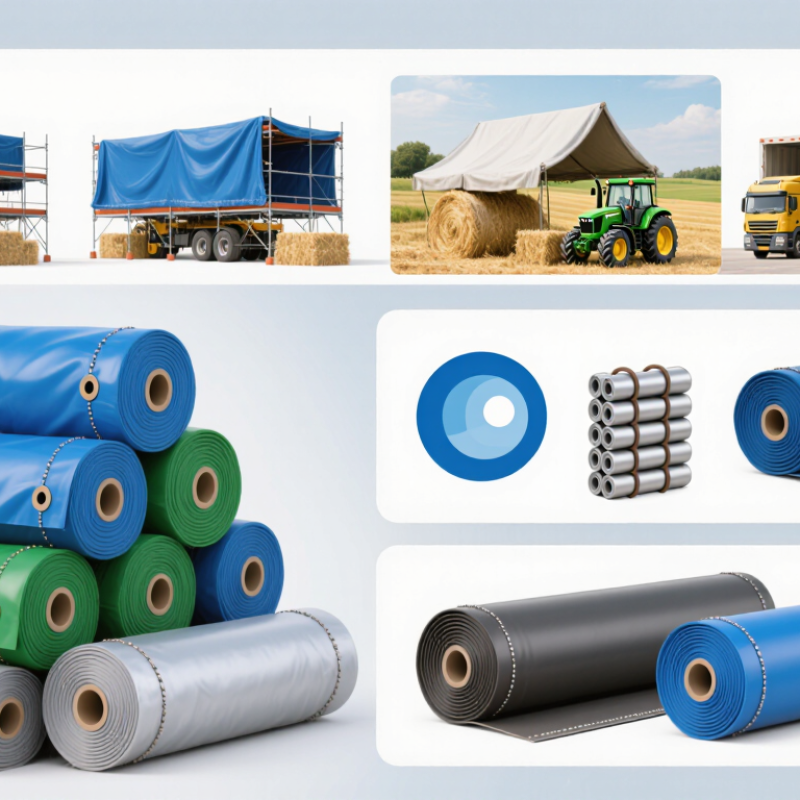
Plastic Tarpaulins: Materials, Uses, and Global Market Overview
Plastic tarpaulins are flexible protective sheets used to shield cargo, equipment, crops, and work areas from rain and dust. Most use woven high-density polyethylene (HDPE), laminated with low-density polyethylene (LDPE) for water resistance. The woven scrim provides strength, while the coating helps limit moisture. PVC-coated polyester is heavier and more abrasion-resistant, but it can cost more and feel less flexible in cold weather. Not every job needs that.
Performance depends on more than material. Compare fabric weight, weave density, UV treatment, seam construction, and eyelet spacing. For example, a tarp covering an outdoor pallet needs reinforced edges and evenly spaced eyelets to reduce tearing when secured. A lightweight sheet may suit short-term indoor storage, while prolonged sun exposure can weaken untreated fabric. Check samples. A specification sheet cannot reveal every weak seam.
Demand varies by climate and use. Construction and transport buyers often need durable covers, while agricultural users may seek large sheets for hay or machinery. Coastal buyers may prioritize corrosion-resistant fittings; inland distributors may focus on compact packing and reliable replenishment. Global sourcing offers choices, but shipping volume, seasonal demand, and inconsistent grading complicate comparisons. Ask suppliers for test details and clear tolerances. Even then, field conditions can surprise you.
Key Criteria for Evaluating Plastic Tarpaulin Suppliers
Start with the specification, not the sales brochure. Ask for fabric weight in g/m², base-cloth construction, coating type, and tolerances. Compare tensile and tear strength, seam performance, and UV-aging results using the same test methods. A glossy sample proves little. Request lot-level inspection records and a production sample. Check eyelet spacing, reinforced edges, and coating consistency yourself. ISO or ASTM references help compare results, but confirm the test edition and conditioning used.
Traceability matters. PlasticsEurope’s Plastics – the Fast Facts 2024 report estimates global plastics production reached 413.8 million tonnes in 2023. Ask suppliers to identify resin type, provide batch records, and substantiate any recycled-content claims. The OECD’s Global Plastics Outlook (2022) found that only 9% of plastic waste was recycled globally in 2019. Treat recyclability claims cautiously: coatings, inks, and mixed fabrics can complicate recovery. Check delivery history, peak-season capacity, packaging, and written remedies for defects. Do not judge on price alone. Still, paperwork can look better than production. Independent pre-shipment checks may reveal uneven seams or brittle corners before goods leave the factory.
Profiles of 10 Leading Plastic Tarpaulin Suppliers
Global buyers should compare plastic tarpaulin suppliers by fabric construction, coating weight, seam strength, and test documentation. The OECD’s Global Plastics Outlook reports that 460 million tonnes of plastics were produced worldwide in 2019, while only 9% of plastic waste was ultimately recycled. This broad industry figure is not specific to tarpaulins, but it makes material traceability worth checking. Ask for a sample, not just a catalogue.
An integrated polyethylene weaver may offer tighter control over woven base fabric. A PVC-coated fabric specialist can suit repeated outdoor use. An agricultural-cover producer may offer UV-stabilized options. A logistics-focused maker may prioritize reinforced corners and tie-down spacing. A custom converter can adjust size and eyelet placement. A high-volume exporter may handle steady container orders. A regional producer may provide shorter lead times. A testing-led supplier should share measured tensile and tear results. A recycled-content developer should explain its material claims. A private-label factory may support custom packaging and specification sheets.
Details matter. Check whether the quoted thickness refers to the base fabric or the finished sheet. Confirm coating weight, seam construction, and sample dimensions in writing. Ask how color and strength are checked between production batches. Still, paperwork can disappoint. Compare one delivered sample with the approved specification before placing a large order.
Plastic Tarpaulin: Indicative Product Weight Ranges
A technical comparison to help global buyers assess tarpaulin specifications when evaluating suppliers.
Ranges are indicative examples, not supplier-specific claims. Actual weight depends on material construction, reinforcement, coating, and intended use. Check each product’s technical datasheet before comparing quotes.
Comparing Suppliers by Quality, Product Range, and Export Reach
For global buyers, the “best” plastic tarpaulin supplier depends on the job, not just the quote. Compare fabric weight, coating, seam strength, and UV resistance using written specifications. Ask for a sample and check its edges, eyelets, and stitching under normal handling. A glossy catalog is not proof. It is easy to overlook small details.
Product range matters when orders vary. Some suppliers offer lightweight covers, reinforced heavy-duty sheets, mesh, and custom sizes. Others focus on a narrow selection, which may mean steadier production but fewer options. Check whether color, thickness, and packaging can be repeated across future orders. Ask for proof.
Tips: Request a current specification sheet, sample photos, and a clear packing list. Confirm lead times, minimum order quantities, and how the supplier handles defects. Keep the answers in writing.
Export reach is more than a map of past shipments. Ask which regions the supplier serves regularly, how goods are packed for transit, and whether shipment updates are provided. Check estimated production and transit times separately; they are not the same. A low price may still cost more if specifications are vague or delivery planning is weak. Compare responses carefully, and note where details remain uncertain.
Global Sourcing Considerations: Pricing, Compliance, and Logistics
For global buyers comparing plastic tarpaulin suppliers, the quoted price is only one part of the decision. Ask for pricing at the same thickness, fabric weight, size, color, and edge finish. A low quote may exclude reinforced corners, eyelets, or protective packaging. Compare the landed cost, including sampling, freight, insurance, duties, and any inspection fees. Small gaps matter. Confirm how long the quotation remains valid, since resin and transport costs can shift.
Compliance and logistics need equal attention. Request a current specification sheet and test reports that match the exact product being ordered. Check relevant destination-market requirements with your own compliance team; documents for a similar grade may not apply. Before production, approve a physical sample and record its dimensions, coating, and seam quality. For shipping, confirm roll or folded-pack dimensions, carton markings, pallet limits, and moisture protection. These details affect container use and reduce damage claims. A tidy document set still cannot fix unclear specifications, and buyers sometimes overlook that.
Tips: Compare at least three like-for-like quotations. Ask suppliers to state tolerances, production lead time, and packaging method in writing. Share the delivery address and preferred shipping terms before requesting a final price. Then check the sample against the written specification—not just the sales photos.