Choosing a Multi Stage Cylinder supplier is not just a matter of comparing prices. Buyers need components that match the machine, operating conditions, and service plan. A cylinder used on a lifting platform may face different loads and duty cycles from one fitted to industrial equipment. Small specification gaps can lead to delays, extra machining, or early seal wear.
This guide introduces 10 suppliers for global buyers and offers practical points for comparing them. It considers product range, customization, manufacturing capabilities, quality information, and support for export orders. Details matter. A useful first check is whether the supplier can confirm bore size, stroke, working pressure, mounting dimensions, and seal options in writing. Buyers should also ask how products are tested and what documentation accompanies an order. Availability of spare parts and clear communication about lead times can matter just as much as the initial quotation.
No shortlist can replace checking a supplier against your own requirements. Not always. Published specifications may not show how a product performs in a particular machine or environment. Request drawings and technical confirmation before ordering, especially for custom configurations. The companies discussed here are starting points, not automatic endorsements. Compare evidence, ask specific questions, and confirm delivery and after-sales arrangements directly. That extra review takes time, but it can prevent a costly mismatch.
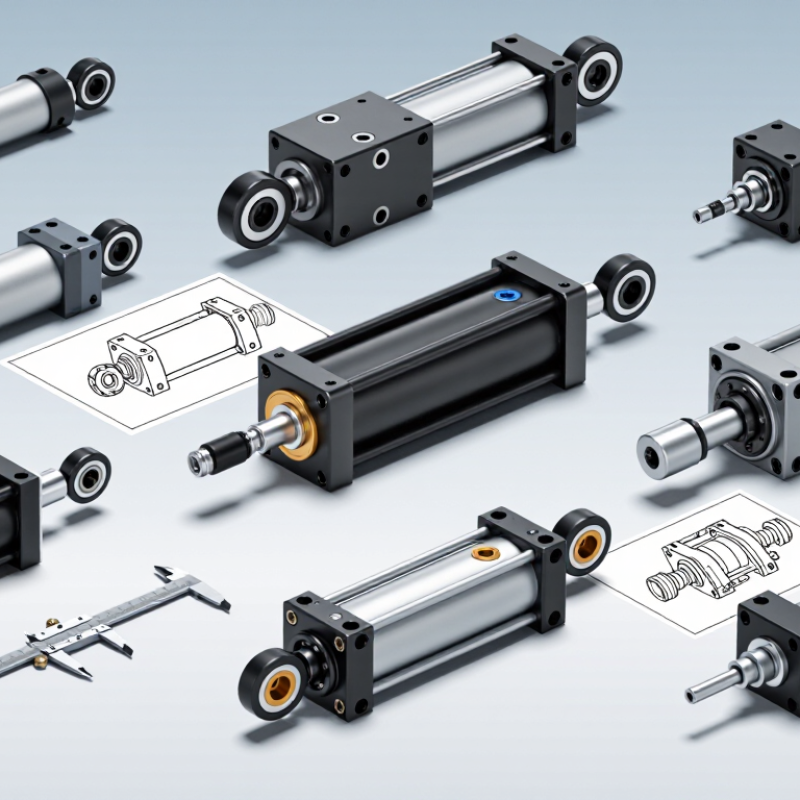
A multi-stage cylinder, often called a telescopic cylinder, uses nested tubes to create a long working stroke from a short retracted package. As hydraulic pressure enters, the stages extend in sequence; gravity or hydraulic pressure retracts them, depending on the design. Think of a dump truck lifting its bed in a tight yard, or an agricultural trailer tipping grain beside a field. These cylinders also appear in aerial work platforms and material-handling equipment, where reach and compact storage matter.
The market context is broad, not specific to telescopic designs. Grand View Research’s 2023 hydraulic cylinder market report estimated the global market at USD 14.08 billion in 2022 and projected 4.3% annual growth through 2030. That figure covers hydraulic cylinders overall, so it should not be read as a multi-stage sales estimate. In practice, stage count, load, mounting angle, and available space shape selection. More reach is useful, but extra stages can mean more seals and more maintenance points. The neat solution is not always the easiest one to keep aligned.
Tips: Check the full extension and retracted lengths against the machine’s real mounting space. Confirm rated load and operating pressure with the equipment maker, and inspect seals for leaks before service. A small leak can slow a lift.
When assessing multi-stage cylinder suppliers, compare their engineering support with your actual operating conditions. Share the required stroke, load, mounting space, cycle rate, and working environment. Ask for drawings that show stage lengths, port locations, and retracted dimensions. A catalog rating alone may not reflect side loads or frequent starts. Small details matter.
Tips: Request test records for pressure, leakage, and dimensional inspection. Ask how seal materials are selected for temperature and fluid exposure. Confirm whether replacement seals and technical assistance are available. Keep the answers in writing.
Review manufacturing consistency, not just one impressive sample. Ask how the supplier tracks materials and checks critical dimensions between production runs. If possible, inspect a sample under a representative load and watch for jerky extension, drift, or visible leakage. Discuss delivery schedules and packaging for long-distance transport, too. Clear communication is useful, but it cannot replace documented checks. No evaluation is perfect; an unusually low quote may reflect a different scope, so compare specifications line by line before deciding.
Suggested evaluation weighting for global buyers. These supplier-neutral percentages are a practical scoring framework, not measured results or ratings of specific companies.
Compare documented application-engineering capability, test procedures, technical specifications, delivery performance, applicable certifications, and after-sales coverage. Adjust the weighting to match your project’s operating conditions and procurement priorities.
A custom hydraulic-cylinder manufacturer suits buyers with unusual stroke lengths, mounting points, or pressure requirements. Ask for drawings, material specifications, and inspection records before approving a sample. A standard telescopic-cylinder producer may offer shorter lead times for common configurations. Check collapsed length and stage sequencing carefully. Fit matters.
A mobile-equipment specialist typically understands vibration, dirt, and frequent cycling. An agricultural supplier may prioritize corrosion protection and seasonal serviceability. A waste-collection supplier often designs for repeated lifting cycles and limited installation space. For mining applications, a heavy-duty cylinder maker should explain seal choices, rod protection, and maintenance intervals. A marine supplier may provide coatings and components intended for wet, salt-exposed environments. Verify suitability against your operating conditions, not a catalogue description alone.
An industrial-press supplier can help match cylinders to controlled, high-force movements. An OEM engineering partner may support design reviews and production planning, but clarify who owns revisions and test documentation. A regional distributor or service center can simplify spare-parts access and troubleshooting. Response time matters. These ten supplier profiles represent different capabilities, not a ranking. Compare rated pressure, test procedures, traceability, delivery terms, and warranty details. A polished quotation is not enough; request evidence tied to the exact cylinder configuration. One detail is easy to miss: confirm how replacement seals and wear parts will be identified years later.
Choosing a multi-stage cylinder supplier means comparing more than quoted price. Buyers should check rated pressure, stroke length, retracted length, mounting details, seal options, and tested service life. Grand View Research estimated the global hydraulic cylinder market at USD 14.33 billion in 2023, with continued growth projected through 2030. That market estimate signals demand, not supplier quality. Still, paperwork is not performance.
Compare documented quality systems, material traceability, and inspection records. ISO 9001 certification can indicate a managed quality system, but it does not certify every cylinder design or guarantee field reliability. Ask for pressure-test procedures, load-test records, and sample drawings tied to the exact model. For global reach, confirm local technical support, spare-seal availability, export packaging, and realistic delivery times. A supplier may serve many countries yet lack parts near your project site. That gap matters.
Tips: Request a sample inspection report and verify its serial number against the cylinder. Ask who handles warranty claims in your region, and get response times in writing. Compare these details across suppliers—not just catalog specifications.
Choosing a multi-stage cylinder supplier starts with the machine, not the catalog. Record the required stroke, collapsed length, load direction, operating pressure, cycle rate, fluid, and temperature range. A tipper body and a compact lifting platform may need very different stage geometry. Grand View Research valued the broader hydraulic cylinder market at USD 14.7 billion in 2023 and projected growth through 2030. That market estimate shows scale, not supplier quality. A neat catalog is not proof.
Ask shortlisted suppliers for dimensional drawings, material specifications, pressure-test records, and traceability for critical parts. Check whether their design process addresses ISO 4413, which sets general rules and safety requirements for hydraulic fluid power systems. Confirm how they handle side loads, seal wear, corrosion protection, and replacement parts. Then review realistic lead times and minimum order quantities. Test a sample under the actual duty cycle, including full extension and retraction. One successful sample is not proof of long-term reliability; I would want repeatable test results, too. Compare documented evidence, not just quoted price.
Buyer’s comparison framework: the entries below are illustrative supplier profiles, not verified companies or supplier rankings. Product ranges and capabilities vary by manufacturer; confirm specifications, certifications, lead times, and references directly before sourcing.
| Profile | Supplier type | Potential fit | What to evaluate | Key sourcing checks |
|---|---|---|---|---|
| Profile 1 | Custom hydraulic-cylinder manufacturer | Application-specific dimensions, mounts, and stroke requirements | Design support, engineering-change process, prototype capability | Request drawings, tolerance information, material specifications, and a sample approval plan. |
| Profile 2 | Mobile-equipment cylinder specialist | Construction, agricultural, and other mobile machinery | Resistance to vibration, contamination, and outdoor exposure | Check seal options, corrosion protection, duty-cycle assumptions, and field-service support. |
| Profile 3 | Truck and trailer hydraulic supplier | Dump bodies, trailers, and vehicle-mounted lifting systems | Installation envelope, extension sequence, and retracted length | Verify load conditions, mounting geometry, hose connections, and compatibility with the hydraulic system. |
| Profile 4 | Agricultural hydraulics supplier | Implements and equipment used in variable field conditions | Contamination protection, serviceability, and seasonal availability | Ask about filtration requirements, replacement seals, spare-part availability, and warranty terms. |
| Profile 5 | Industrial cylinder engineering supplier | Industrial machinery with defined operating and maintenance requirements | Document control, repeatability, and production quality processes | Review inspection records, traceability practices, applicable quality-system certificates, and test reports. |
| Profile 6 | High-volume production supplier | Recurring orders with stable, released designs | Capacity planning, process control, and delivery performance | Request capacity assumptions, minimum order quantities, production lead times, and escalation procedures. |
| Profile 7 | Low-volume and prototype supplier | Development programs, pilot builds, or specialized replacements | Prototype turnaround, design iteration, and small-batch economics | Clarify prototype charges, production-transition terms, and ownership of customer-specific drawings. |
| Profile 8 | Export-oriented hydraulic supplier | Buyers requiring international shipment and export documentation | Packaging, shipping coordination, and documentation accuracy | Confirm shipping terms, export documents, packaging standards, transit insurance, and delivery estimates. |
| Profile 9 | Regional distributor with technical support | Buyers prioritizing local inventory and accessible service | Stock coverage, technical response, and after-sales arrangements | Determine whether products are stocked or made to order, and who handles warranty claims and repairs. |
| Profile 10 | Cylinder repair and replacement specialist | Replacement projects where an existing cylinder must be matched or refurbished | Reverse engineering, inspection, and replacement-part availability | Provide the original drawing or measured dimensions; confirm safe operating limits and acceptance testing. |
| Selection dimension | Information to define or request |
|---|---|
| Application and loading | Load, direction of force, mounting arrangement, operating cycle, and any side-load conditions. |
| Cylinder geometry | Required stages, total stroke, retracted length, extended length, port locations, and available installation space. |
| Hydraulic requirements | System pressure, flow, fluid type, temperature range, and expected extension or retraction behavior. Have the supplier validate the design for the actual application. |
| Environment and materials | Exposure to moisture, dust, chemicals, temperature extremes, and corrosion; request suitable material and finish specifications. |
| Quality and validation | Ask for an agreed inspection and test plan, relevant certificates, traceability details, and documented acceptance criteria. |
| Commercial and logistics | Compare total landed cost, order quantity, tooling charges, lead time, payment terms, shipping terms, warranty, and spare-parts support. |
Practical sourcing step: send the same application specification and drawing package to each shortlisted supplier, then compare written technical responses and quotations on an equivalent basis.
Contact
KYOCERA SGS Precision Tools, Inc.
(330) 686-5700
150 Marc Drive
Cuyahoga Falls, OH 44223
Products
Resources