Top 10 Benefits of CNC Machining for Global Buyers?
CNC machining has transformed the manufacturing landscape, offering unique advantages to global buyers. This technology streamlines production processes, enhancing efficiency and precision. With automated systems, it minimizes human error and reduces waste. Buyers benefit from lower costs and faster turnaround times, a crucial factor in today’s competitive market.
However, embracing CNC machining is not without challenges. Some companies may overlook the need for proper training on advanced machinery. Understanding machine limitations and capabilities is necessary for optimal results. Buyers should consider potential drawbacks, such as maintenance costs and the learning curve involved.
Despite these concerns, the benefits often outweigh the downsides. CNC machining's consistency and scalability can significantly improve production quality. Businesses can innovate and expand their product lines. Adopting this technology positions buyers at the forefront of their industries, ready to meet evolving demands with confidence.
Key Advantages of CNC Machining for Global Buyers
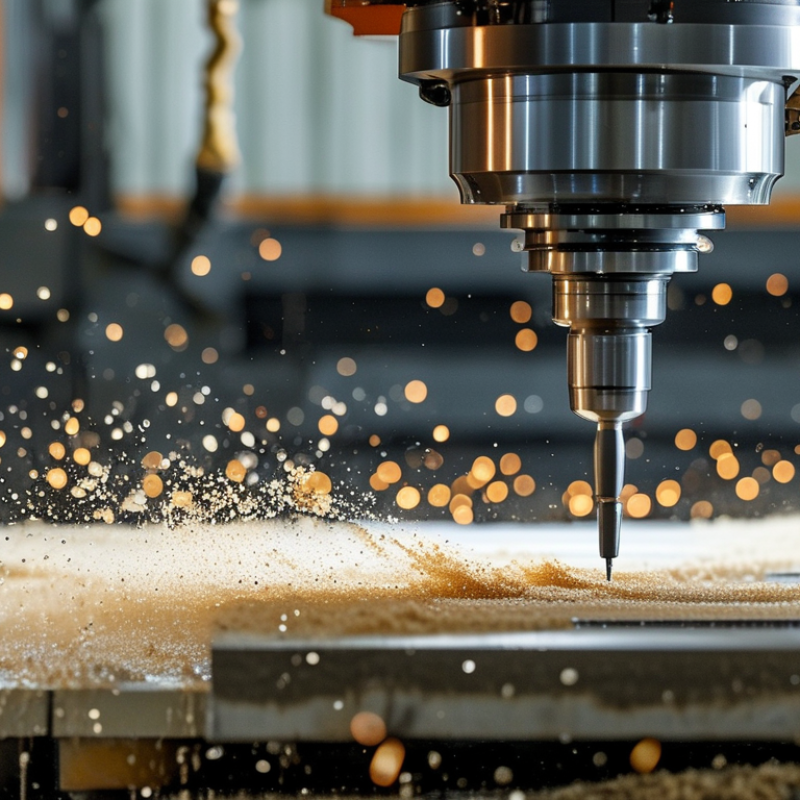
CNC machining offers global buyers a myriad of advantages. Precision is paramount in manufacturing, and CNC machines deliver the accuracy required for complex components. The automated nature of these machines reduces human error. This means products are consistently made to exact specifications. For global buyers, this reliability is crucial in maintaining high quality across large production runs.
Another key advantage is the flexibility in design. CNC machining allows for intricate shapes and details, which traditional manufacturing methods often cannot achieve. Buyers can easily make adjustments to designs without significant downtime. This adaptability accommodates changing market demands and custom orders, making it a valuable option for many industries. However, the initial setup costs can be high, leading to the need for careful financial planning.
Additionally, CNC machining supports sustainability efforts. The processes involved minimize material waste, contributing to better resource management. Though not without challenges, such as the reliance on skilled operators to program these machines, the advantages can outweigh the drawbacks. Buyers must weigh these aspects to make informed decisions on their manufacturing processes.
Enhanced Precision and Consistency in Manufacturing Processes
CNC machining excels in precision and consistency, making it a preferred choice in various manufacturing sectors. Industry data shows that CNC machines can achieve tolerances as tight as ±0.001 inches. This level of accuracy is crucial for industries like aerospace and automotive, where even minor deviations can lead to failures. The ability of CNC machines to repeat these precise cuts creates consistent quality in production runs.
In addition, CNC machining reduces human error. Operators set the machines with exact specifications, leading to uniformity in products. Reports indicate that businesses using CNC technology have seen a 30% decrease in defects compared to traditional methods. This consistency not only enhances product integrity but also boosts overall productivity. Additionally, it allows for easier scalability without sacrificing quality.
However, reliance on CNC machining does come with challenges. The initial investment in CNC technology can be high. Small businesses might struggle to afford these systems, limiting their market competitiveness. Regular maintenance is essential to keep machines running effectively. Neglecting this can lead to increased downtime and operational costs. These reflections highlight the balance needed when integrating advanced technology into manufacturing processes.
Cost-Effectiveness of CNC Machining for Large-Scale Production
CNC machining is a game-changer for large-scale production. It offers significant cost-effectiveness, making it attractive to global buyers. Companies can reduce labor costs drastically. Automation minimizes the need for manual intervention, which cuts down on human error. With computers controlling the machines, consistency improves remarkably.
Material waste is another area where CNC machining shines. These machines are designed to optimize material usage, reducing off-cuts. Buyers benefit from a lower overall material cost, translating to substantial savings. Precision in design and manufacturing ensures that each component meets exact specifications. This reduces rework and keeps production lines moving smoothly.
However, it's essential to consider initial setup costs. Investing in advanced CNC machines can be costly. There's also a learning curve involved for operators. Companies must weigh these factors against potential long-term savings. Understanding the full scope of CNC machining will help buyers make informed decisions. Balancing cost and quality is key in today’s competitive market.
Versatility of CNC Machines in Various Industries and Applications
CNC machining has transformed various industries with its flexibility and precision. From aerospace to healthcare, the versatility of CNC machines accommodates numerous applications. These machines can craft intricate parts for aircraft, ensuring safety and efficiency. In medical fields, CNC technology produces customized implants that improve patient outcomes. The ability to switch between materials and designs makes CNC machining essential in modern manufacturing.
When exploring CNC options, consider the range of materials you want to work with. For example, aluminum is lightweight yet strong, ideal for automotive parts. Plastics offer versatility for prototypes, while stainless steel provides durability for industrial equipment. Understanding your specific needs will lead to better decision-making.
As you delve into this technology, think about the setup time and maintenance costs. While CNC machines are efficient, they require skilled operators for optimal output. Investing in training can enhance productivity and reduce errors. Be mindful of the learning curve associated with advanced CNC software. Embrace these challenges as opportunities for growth and innovation in your production processes.
Reduced Lead Times and Increased Efficiency in Manufacturing Workflows
CNC machining revolutionizes manufacturing workflows by minimizing lead times. It utilizes computer-controlled tools for precision and speed. This technology allows companies to produce complex parts swiftly. Traditional methods often lead to delays. CNC machining offers a solution for global buyers seeking efficiency.
Precision is enhanced through automation. Machines can run unattended for hours, allowing time for other tasks. This multitasking ability is crucial. Buyers benefit from reduced setup times and fewer errors. Quality assurance is integrated, ensuring consistency across production runs. However, initial setup may require careful planning and skilled operators.
The capacity for rapid prototyping proves invaluable. Global buyers can test designs quickly, reducing time-to-market. Feedback loops become tighter, accelerating product development. Nonetheless, over-reliance on machines may hinder design creativity. Balancing automation with human insight is essential. The journey toward efficiency in manufacturing is continuous and requires reflection on processes.