2026 Top Cutting and Milling Machines for Buyers?
Choosing among cutting and milling machines in 2026 is less about chasing the newest feature and more about matching equipment to real work. A compact shop cutting aluminum panels has different needs from a production floor milling steel components. Material, part size, tolerances, and daily output all shape the right choice. Fit matters.
This buyer’s guide looks at machine types, work envelopes, spindle power, cutting capacity, control systems, and service support. It also considers setup time, tooling costs, operator training, and the space required around each machine. Check manufacturer specifications against sample parts and documented test conditions; a headline accuracy figure alone may not predict results in your workshop. Details count.
Compare total operating costs, not just purchase prices. Ask suppliers about installation, maintenance intervals, spare-part availability, and warranty coverage. Where possible, review a demonstration using material and tooling similar to your own. A polished demo can still leave questions unanswered, and no comparison table can replace a careful site assessment. That is worth remembering. The best shortlist is practical, not perfect: it should reflect your workload, staff experience, budget, and plans for future capacity. This overview aims to help buyers ask sharper questions before requesting quotes or committing to a machine.
What Are Cutting and Milling Machines?
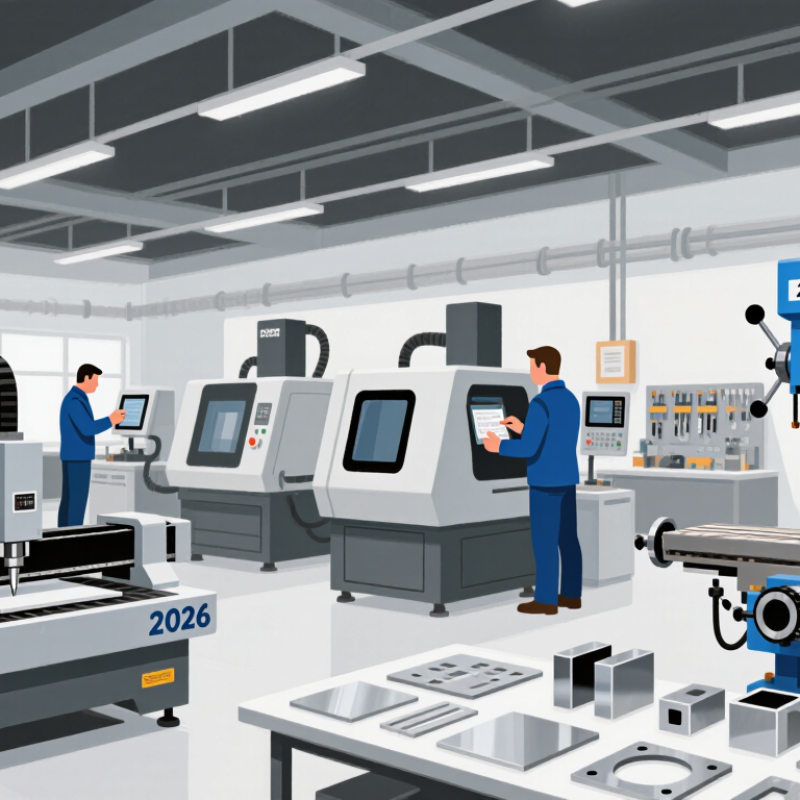
Cutting and milling machines shape solid materials by removing unwanted sections. A cutting machine usually separates stock along a line, using a blade, abrasive wheel, or another cutting tool. A milling machine removes material with a rotating cutter while the workpiece is held and fed against it. That is the core difference. In a workshop, a machinist might clamp an aluminum block in a vise, set the cutter depth, and produce a flat face or narrow slot. The chips curl away as the tool travels.
Some machines are manually controlled; others use programmed movement to repeat detailed operations. The right setup depends on material, part shape, finish, and required accuracy. A thin sheet may need a different cutting method than a thick steel plate. For milling, cutter geometry, spindle speed, and workholding affect the result. Small details matter. Loose clamping can cause vibration, rough edges, or a damaged tool. In practice, the boundary between cutting and milling can blur, since both remove material. Even experienced operators may need test cuts and adjustments; a machine’s stated capability does not guarantee a good finish on every job.
How Cutting and Milling Machines Differ by Type and Task
Choosing a cutting or milling machine starts with the shape of the job. Cutting separates stock along a path; milling removes material with a rotating tool. A band saw can quickly divide bar stock, while a CNC router suits sheet goods and shallow profiles. A vertical mill handles pockets, slots, and precise faces. The difference matters. A clean-looking edge is not always a finished surface.
Match the process to material, thickness, tolerance, and production volume. Laser cutting offers narrow kerfs on suitable sheet metal, but reflective materials and thick sections can complicate setup. Waterjet cutting avoids a heat-affected edge, though abrasive use and slower cycle times affect cost. Milling offers versatile geometry, but tool wear, chip evacuation, and fixturing demand attention. That last detail is often underestimated.
Automation changes the buying calculation, too. The International Federation of Robotics’ World Robotics 2024 report counted 4,281,585 industrial robots operating worldwide in 2023, with 541,302 new installations that year. Those figures show how widely manufacturers are adopting automation, not that every shop needs a robotic cell. For buyers, a machine’s control system, tool changes, guarding, and ability to repeat a setup may matter more than its headline speed. I would compare sample parts under real material and tolerance conditions; catalog claims rarely reveal every compromise.
Key Features Buyers Should Compare in 2026
Buyers comparing cutting and milling machines in 2026 should start with the part, not the brochure. Check the work envelope against your largest component, leaving space for clamps and tool changes. Spindle speed matters, but low-speed torque can matter more when cutting steel. Ask for repeatability data across a full shift, not just one showroom cut. Small differences show up at the edge.
Automation readiness deserves a close look. The International Federation of Robotics’ World Robotics 2024 report counted 4,281,585 industrial robots operating worldwide in 2023, a 10% year-over-year increase. This does not mean every shop needs a robot. It does make control compatibility, guarding, chip removal, and loading access worth checking. Request a cycle-time trial using your material and toolpath. A polished demonstration can hide setup delays.
Tips: Compare five-year costs, including tooling, coolant, energy, service, and downtime. Inspect chip handling and coolant access in person. Keep some doubt: stated accuracy may not reflect your floor, operator, or temperature conditions. Ask for a documented acceptance test.
2026 Cutting and Milling Machines: Key Features Buyers Should Compare
Compare work envelope, material compatibility, accuracy, spindle or cutting performance, automation, and service support against your production needs. Scores are an illustrative 1–5 planning rubric, not market-survey results; evaluate each machine using its published specifications and a representative test cut.
Leading Cutting and Milling Machine Categories for Buyers
For buyers, cutting and milling machines solve different problems. Laser systems suit thin sheet metal and intricate profiles, while plasma cutters handle thicker conductive plate at lower equipment cost. Waterjet machines avoid heat-affected edges, useful for heat-sensitive materials, but abrasive use and slower cutting can raise operating costs. Check actual sample parts, not just catalog speeds. A sharp edge matters.
Milling choices range from vertical three-axis machines for general parts to horizontal and five-axis systems for complex components and fewer setups. Grand View Research valued the global machine tools market at USD 86.7 billion in 2023 and projected 6.1% annual growth through 2030. That broad market figure signals investment, but it does not identify the best machine for a specific shop. Part size, tolerance, material, tooling, and operator skill should guide the shortlist.
Automation is another buying category, not a cure-all. The International Federation of Robotics reported 541,302 industrial robots installed worldwide in 2023, reflecting widespread manufacturing automation. Buyers can assess whether a machine supports reliable loading, probing, and tool changes before paying for extra capacity. Ask suppliers for cycle-time tests using your own material and drawings. One awkward trade-off remains: a faster machine may sit idle if programming, maintenance, or job scheduling cannot keep pace. Repair access and spare-part lead times deserve the same scrutiny as spindle power.
How to Select and Maintain the Right Machine
2026 Top Cutting and Milling Machines for Buyers?
How to Select and Maintain the Right Machine
Choose a machine around the work it will actually perform. Match its cutting envelope, spindle torque, and tool capacity to your largest parts and hardest materials. Check the floor space, power supply, and chip-removal setup before comparing quoted cycle times. Fit matters. A common mistake is choosing peak spindle speed over stable torque at the speeds used most often. Ask for a test cut on representative material, then inspect the finish and measured tolerance.
Tips: At the start of each shift, check coolant level, tool condition, guards, and visible leaks. Clear chips with the method specified by the machine’s manual—not by hand near moving equipment. Record unusual vibration or noise. Small changes matter.
Maintenance should be planned, not improvised. The U.S. Department of Energy’s Operations & Maintenance Best Practices guide reports that predictive maintenance can reduce maintenance costs by about 25–30% compared with reactive approaches. Use that figure as a benchmark, not a promise; results depend on the machine and how consistently checks are performed. Keep a simple log of lubrication, filter changes, alarms, and dimensional drift. Review it with the operator and service technician. A log can be imperfect and still reveal a pattern.